
Current QCL instruments may still be viewed as a significant investment for many farmers, particularly smallholders who operate on tight budgets. However, the long-term benefits of using QCL technology, including improved crop yields and more efficient resource management, can justify the initial expenditure and lead to greater profitability.
Furthermore, as technology advances, more affordable options will likely emerge, making these tools accessible to a broader range of agricultural users. This democratization of technology is vital for the future of precision agriculture, ensuring that all farmers can benefit from advancements in soil analysis.
In addition, partnerships between manufacturers and agricultural organizations could facilitate training and support for users, empowering farmers to effectively utilize these tools. This would further promote the adoption of QCL technology in diverse farming communities and enhance overall agricultural productivity.
Ultimately, the affordability and accessibility of QCL-based soil spectroscopy will determine its impact on the agricultural sector as a whole. Increased adoption of this technology could lead to more sustainable practices, improved resource management, and enhanced food security globally, which is essential in today’s rapidly changing world.
Research Gaps That Must Be Closed Before Widespread QCL Adoption
Despite the promising potential of QCL technology, several critical research gaps must be addressed before widespread adoption can occur in the agricultural sector. One key area is the need for extensive validation studies to establish the accuracy and reliability of QCL measurements in various soil types, ensuring that farmers can trust the results they obtain.
Additionally, developing standardized protocols for data collection and analysis will enhance the comparability of results across studies, which is crucial for building confidence among agricultural users regarding QCL soil spectroscopy. This standardization will facilitate broader acceptance and use of this technology in diverse agricultural settings.
Moreover, research into the long-term effects of using QCL technology on soil health is necessary to understand any potential impacts that may arise from its implementation. Understanding these implications will help farmers make informed decisions about integrating this technology into their practices and ensure that they are fostering sustainable farming methods.
Finally, collaboration between researchers, industry experts, and agricultural practitioners will facilitate knowledge transfer and innovation, driving advancements in QCL technology. This multidisciplinary approach is essential for advancing QCL technology in the soil sensing market and ensuring that it meets the needs of modern agriculture.
By addressing these research gaps, we can pave the way for the successful integration of QCL technology into precision agriculture practices. This will ultimately enhance soil management practices, improve crop yields, and contribute to sustainable agricultural systems that are vital for feeding the world’s growing population.
Drones equipped with QCL sensors can quickly gather soil data from various locations, significantly enhancing the speed and efficiency of analysis. This capability allows farmers to respond rapidly to soil conditions and optimize management practices, all while saving time and resources.
Furthermore, the use of autonomous vehicles for soil sampling can ensure more consistent data collection, which reduces human error and improves the reliability of the results. This level of precision is critical for making informed decisions that affect crop health and yield.
The synergy between QCL technology and modern agricultural equipment holds significant promise for the future of precision agriculture. As this integration becomes more prevalent, farmers will benefit from enhanced precision in soil analysis, leading to better management practices that can increase productivity.
Overall, the collaboration between QCLs, drones, and autonomous vehicles represents the future of soil sensing innovation in agriculture. This evolution will undoubtedly lead to improved agricultural practices and greater sustainability in crop production, addressing the challenges of feeding a growing global population.
Cost Trajectory and Market Accessibility for Agricultural Users
The cost trajectory of QCL-based soil analysis tools is a critical consideration for agricultural users who must balance investment with potential returns. As manufacturing processes improve and demand for these technologies increases, prices are expected to decrease, thereby enhancing market accessibility for farmers of all sizes.
Current QCL instruments may still be viewed as a significant investment for many farmers, particularly smallholders who operate on tight budgets. However, the long-term benefits of using QCL technology, including improved crop yields and more efficient resource management, can justify the initial expenditure and lead to greater profitability.
Furthermore, as technology advances, more affordable options will likely emerge, making these tools accessible to a broader range of agricultural users. This democratization of technology is vital for the future of precision agriculture, ensuring that all farmers can benefit from advancements in soil analysis.
In addition, partnerships between manufacturers and agricultural organizations could facilitate training and support for users, empowering farmers to effectively utilize these tools. This would further promote the adoption of QCL technology in diverse farming communities and enhance overall agricultural productivity.
Ultimately, the affordability and accessibility of QCL-based soil spectroscopy will determine its impact on the agricultural sector as a whole. Increased adoption of this technology could lead to more sustainable practices, improved resource management, and enhanced food security globally, which is essential in today’s rapidly changing world.
Research Gaps That Must Be Closed Before Widespread QCL Adoption
Despite the promising potential of QCL technology, several critical research gaps must be addressed before widespread adoption can occur in the agricultural sector. One key area is the need for extensive validation studies to establish the accuracy and reliability of QCL measurements in various soil types, ensuring that farmers can trust the results they obtain.
Additionally, developing standardized protocols for data collection and analysis will enhance the comparability of results across studies, which is crucial for building confidence among agricultural users regarding QCL soil spectroscopy. This standardization will facilitate broader acceptance and use of this technology in diverse agricultural settings.
Moreover, research into the long-term effects of using QCL technology on soil health is necessary to understand any potential impacts that may arise from its implementation. Understanding these implications will help farmers make informed decisions about integrating this technology into their practices and ensure that they are fostering sustainable farming methods.
Finally, collaboration between researchers, industry experts, and agricultural practitioners will facilitate knowledge transfer and innovation, driving advancements in QCL technology. This multidisciplinary approach is essential for advancing QCL technology in the soil sensing market and ensuring that it meets the needs of modern agriculture.
By addressing these research gaps, we can pave the way for the successful integration of QCL technology into precision agriculture practices. This will ultimately enhance soil management practices, improve crop yields, and contribute to sustainable agricultural systems that are vital for feeding the world’s growing population.
Handheld QCL devices are designed to be user-friendly, providing quick results directly in the field, which is essential for farmers who need immediate feedback on soil conditions. This portability enhances the efficiency of soil analysis, making it easier for farmers to make informed decisions based on real-time data.
Moreover, advancements in battery technology and materials science are contributing to the lightweight design of these devices, allowing for greater mobility in the field. This means that farmers can carry multiple analyzers without sacrificing convenience, which is particularly beneficial during busy planting and harvesting seasons.
As handheld QCL soil analyzers become more widely available, the potential for widespread adoption among agricultural users increases significantly. This is particularly beneficial for precision agriculture, where timely data is essential for optimizing crop management and ensuring high yields.
Ultimately, the move toward miniaturization is transforming the landscape of soil analysis, making advanced technology more accessible to farmers. As these devices continue to evolve, we can expect to see greater integration into everyday agricultural practices, enhancing productivity and sustainability in the sector.
Integration With Drone and Autonomous Ground Vehicle Platforms
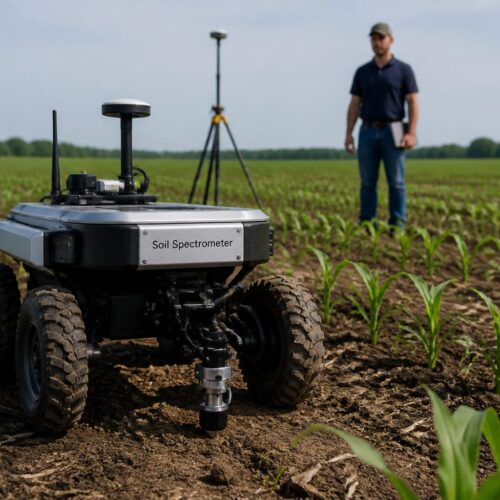
Integrating QCL technology with drone and autonomous ground vehicle platforms represents a game changer for soil analysis in modern agriculture. This combination enables comprehensive soil mapping and monitoring over large agricultural areas, allowing farmers to gather extensive data without manual labor.
Drones equipped with QCL sensors can quickly gather soil data from various locations, significantly enhancing the speed and efficiency of analysis. This capability allows farmers to respond rapidly to soil conditions and optimize management practices, all while saving time and resources.
Furthermore, the use of autonomous vehicles for soil sampling can ensure more consistent data collection, which reduces human error and improves the reliability of the results. This level of precision is critical for making informed decisions that affect crop health and yield.
The synergy between QCL technology and modern agricultural equipment holds significant promise for the future of precision agriculture. As this integration becomes more prevalent, farmers will benefit from enhanced precision in soil analysis, leading to better management practices that can increase productivity.
Overall, the collaboration between QCLs, drones, and autonomous vehicles represents the future of soil sensing innovation in agriculture. This evolution will undoubtedly lead to improved agricultural practices and greater sustainability in crop production, addressing the challenges of feeding a growing global population.
Cost Trajectory and Market Accessibility for Agricultural Users
The cost trajectory of QCL-based soil analysis tools is a critical consideration for agricultural users who must balance investment with potential returns. As manufacturing processes improve and demand for these technologies increases, prices are expected to decrease, thereby enhancing market accessibility for farmers of all sizes.
Current QCL instruments may still be viewed as a significant investment for many farmers, particularly smallholders who operate on tight budgets. However, the long-term benefits of using QCL technology, including improved crop yields and more efficient resource management, can justify the initial expenditure and lead to greater profitability.
Furthermore, as technology advances, more affordable options will likely emerge, making these tools accessible to a broader range of agricultural users. This democratization of technology is vital for the future of precision agriculture, ensuring that all farmers can benefit from advancements in soil analysis.
In addition, partnerships between manufacturers and agricultural organizations could facilitate training and support for users, empowering farmers to effectively utilize these tools. This would further promote the adoption of QCL technology in diverse farming communities and enhance overall agricultural productivity.
Ultimately, the affordability and accessibility of QCL-based soil spectroscopy will determine its impact on the agricultural sector as a whole. Increased adoption of this technology could lead to more sustainable practices, improved resource management, and enhanced food security globally, which is essential in today’s rapidly changing world.
Research Gaps That Must Be Closed Before Widespread QCL Adoption
Despite the promising potential of QCL technology, several critical research gaps must be addressed before widespread adoption can occur in the agricultural sector. One key area is the need for extensive validation studies to establish the accuracy and reliability of QCL measurements in various soil types, ensuring that farmers can trust the results they obtain.
Additionally, developing standardized protocols for data collection and analysis will enhance the comparability of results across studies, which is crucial for building confidence among agricultural users regarding QCL soil spectroscopy. This standardization will facilitate broader acceptance and use of this technology in diverse agricultural settings.
Moreover, research into the long-term effects of using QCL technology on soil health is necessary to understand any potential impacts that may arise from its implementation. Understanding these implications will help farmers make informed decisions about integrating this technology into their practices and ensure that they are fostering sustainable farming methods.
Finally, collaboration between researchers, industry experts, and agricultural practitioners will facilitate knowledge transfer and innovation, driving advancements in QCL technology. This multidisciplinary approach is essential for advancing QCL technology in the soil sensing market and ensuring that it meets the needs of modern agriculture.
By addressing these research gaps, we can pave the way for the successful integration of QCL technology into precision agriculture practices. This will ultimately enhance soil management practices, improve crop yields, and contribute to sustainable agricultural systems that are vital for feeding the world’s growing population.
As the agricultural sector evolves and faces new challenges, the need for precise soil analysis has never been greater to ensure optimal crop production and sustainable land use. Quantum cascade lasers (QCLs) are emerging as a groundbreaking technology in the realm of soil spectroscopy, offering unique advantages over traditional broadband sources that can significantly impact agricultural practices and outcomes.
By leveraging mid-infrared (MIR) spectroscopy, QCLs are transforming how we detect soil constituents, providing farmers and agronomists with tools to understand their soil better. This article explores the capabilities and applications of QCL technology in precision agriculture and its potential to revolutionize soil analysis.
We will delve into the advantages of targeted MIR laser emission, the latest QCL-based instruments currently available, and the specific soil properties best suited for measurement. Additionally, we will discuss the ongoing miniaturization progress of QCL technology and its integration into modern agricultural practices.
What Quantum Cascade Lasers Are and How They Differ From Broadband Sources
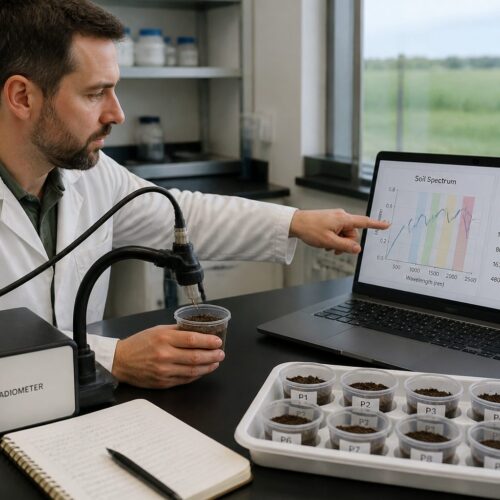
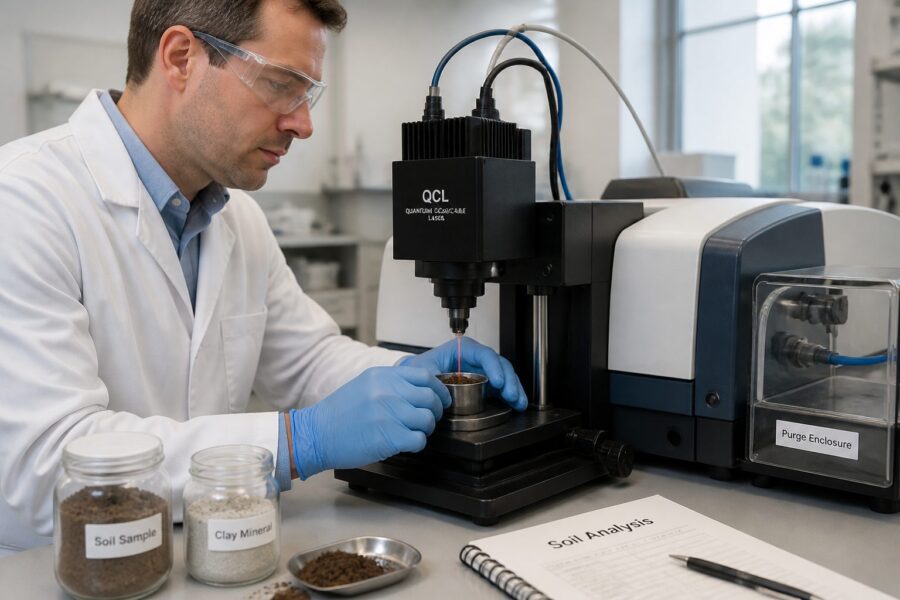
Quantum cascade lasers (QCLs) are a type of semiconductor laser specifically designed to emit light in the mid-infrared spectrum, which is crucial for identifying molecular vibrations in various substances. Unlike traditional broadband sources, which emit a wide range of wavelengths simultaneously, QCLs produce highly specific wavelengths that are tailored to target particular molecular vibrations, enhancing their efficacy in soil analysis.
This targeted emission enables QCLs to be significantly more efficient in soil spectroscopy applications compared to their broadband counterparts. The precision of QCLs allows for detailed analysis of various soil constituents, which is crucial for effective soil management and optimizing agricultural productivity.
The unique design of QCLs allows for rapid tunability across multiple wavelengths, which is a transformative feature in soil spectroscopy. This capability enhances their ability to differentiate between various soil components based on their unique spectral fingerprints, leading to more accurate soil assessments.
In contrast, broadband sources can struggle with selectivity and sensitivity in complex soil matrices, which can lead to less reliable data. This makes QCLs particularly advantageous for applications requiring precise soil characterization in precision agriculture, where accurate information is essential for decision-making.
Moreover, the compact size of QCLs compared to traditional spectroscopic equipment makes them suitable for portable applications that can be utilized directly in the field. This portability is vital for the growing demand for on-site soil analysis in agricultural settings, allowing farmers to make timely interventions based on real-time data.
Advantages of Targeted MIR Laser Emission for Soil Constituent Detection
Targeted MIR laser emission from QCLs provides distinct advantages in detecting specific soil constituents that are critical to agricultural productivity and sustainability. This specificity leads to improved accuracy in identifying soil organic matter, moisture content, and nutrient levels, all of which play a vital role in crop health and yield.
Furthermore, the ability to focus on particular wavelengths means that QCLs can deliver faster results than conventional methods, which often require more time-consuming analyses. As a result, farmers can make timely decisions regarding soil management and crop production, thereby enhancing overall farm efficiency and productivity.
The high sensitivity of QCLs allows for the detection of trace elements and compounds that may be overlooked by other methods of soil analysis. This capability is particularly beneficial for monitoring soil health and fertility, enabling farmers to take proactive measures to improve soil conditions.
Moreover, the reduced background noise associated with QCL measurements enhances selectivity, leading to more reliable data that is crucial for precision agriculture practices. This increased reliability allows agronomists and farmers to trust the results they obtain and to implement practices based on solid scientific evidence.
Lastly, the adaptability of QCLs to various soil types makes them versatile tools for agricultural applications, suitable for a wide range of environments and conditions. This versatility is essential for farmers operating in diverse environments seeking accurate soil assessments to guide their agricultural practices effectively.
Current QCL-Based Instruments Entering the Soil Sensing Market
The soil sensing market is witnessing the introduction of several innovative QCL-based instruments that are designed specifically for agricultural users. These new devices provide farmers with real-time insights into soil composition and health, allowing them to make informed decisions that can significantly impact crop yields.
Some notable instruments include handheld spectrometers and stationary soil analyzers that utilize QCL technology, each offering unique features tailored to the needs of agricultural professionals. These devices are making it easier for agricultural users to adopt advanced soil analysis techniques that were previously limited to laboratory settings.
| Instrument Name | Type | Key Features |
|---|---|---|
| QCL Soil Analyzer 1 | Handheld | Real-time data, lightweight design for portability |
| QCL Soil Analyzer 2 | Stationary | High precision measurements, multi-parameter analysis capability |
| QCL Soil Analyzer 3 | Portable | Battery-operated, rugged design for field use |
| QCL Soil Analyzer 4 | Laboratory | Detailed analysis, high throughput for research applications |
These QCL-based instruments are designed with user-friendliness in mind, allowing for quick operation and easy data interpretation, which is essential for busy farmers who need to maximize their time. This accessibility is crucial for farmers looking to integrate advanced technology into their practices and improve their operational efficiency.
Soil Properties Best Suited to QCL Spectroscopic Measurement
QCL technology excels in measuring specific soil properties that are critical for agricultural productivity and sustainability, offering a level of detail that is hard to achieve with traditional methods. The precision of QCLs makes them ideal for assessing soil moisture, organic carbon content, and nutrient levels, which are vital indicators of soil health.
Additionally, QCLs are effective in identifying contaminants and toxic substances in soil, which is vital for ensuring soil safety and health in agricultural environments. This capability allows farmers to monitor soil quality closely and take remedial actions when necessary to protect their crops and land.
Furthermore, analyzing soil texture and structure can be achieved through QCL measurements, providing essential insights into how soil interacts with water and nutrients. This information is critical for making informed decisions about crop selection, irrigation practices, and overall soil management strategies.
The versatility of QCLs allows for their application in various soil types, from sandy soils to heavy clay, making them suitable for diverse agricultural contexts. This adaptability ensures that farmers can rely on QCL technology for comprehensive soil analysis across different regions and conditions.
Overall, the ability of QCLs to provide detailed insights into critical soil properties enhances their value in precision agriculture, enabling farmers to optimize their practices effectively. This fosters better decision-making and improved crop yields for agricultural users, ultimately contributing to sustainable farming practices.
Sensitivity and Selectivity Comparisons With Conventional FTIR Systems
When comparing the sensitivity and selectivity of QCLs to traditional Fourier-transform infrared (FTIR) systems, several key differences emerge that highlight the advantages of QCL technology. QCLs demonstrate superior sensitivity in detecting low-concentration soil constituents, making them ideal for precise soil analysis in agricultural applications where such details matter immensely.
Moreover, the selectivity of QCLs allows for clearer differentiation between overlapping spectral features, which can be a significant challenge in soil analysis. This is particularly beneficial in complex soil matrices where multiple components may interfere with one another, leading to more reliable and actionable data for farmers.
- Higher sensitivity for trace analysis of soil constituents that are crucial for optimal crop health
- Better selectivity in complex mixtures, leading to more reliable results
- Faster data acquisition times, enabling timely decision-making
- Reduced background noise that enhances measurement accuracy
- More compact and portable systems that facilitate on-site analysis
These advantages position QCLs as a promising alternative to conventional FTIR systems for soil spectroscopy, making them increasingly popular among agricultural professionals. As a result, they are gaining traction among agricultural professionals seeking reliable soil analysis tools that can enhance their operational efficiency and effectiveness.
Miniaturization Progress: Toward Handheld QCL Soil Analyzers
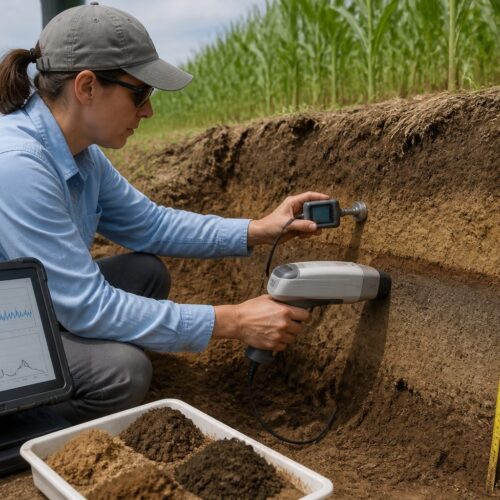
The miniaturization of QCL technology is paving the way for handheld soil analyzers that can be used directly in the field. This significant progress allows farmers to conduct on-site soil measurements without the need for bulky and cumbersome equipment that can hinder agricultural operations.
Handheld QCL devices are designed to be user-friendly, providing quick results directly in the field, which is essential for farmers who need immediate feedback on soil conditions. This portability enhances the efficiency of soil analysis, making it easier for farmers to make informed decisions based on real-time data.
Moreover, advancements in battery technology and materials science are contributing to the lightweight design of these devices, allowing for greater mobility in the field. This means that farmers can carry multiple analyzers without sacrificing convenience, which is particularly beneficial during busy planting and harvesting seasons.
As handheld QCL soil analyzers become more widely available, the potential for widespread adoption among agricultural users increases significantly. This is particularly beneficial for precision agriculture, where timely data is essential for optimizing crop management and ensuring high yields.
Ultimately, the move toward miniaturization is transforming the landscape of soil analysis, making advanced technology more accessible to farmers. As these devices continue to evolve, we can expect to see greater integration into everyday agricultural practices, enhancing productivity and sustainability in the sector.
Integration With Drone and Autonomous Ground Vehicle Platforms
Integrating QCL technology with drone and autonomous ground vehicle platforms represents a game changer for soil analysis in modern agriculture. This combination enables comprehensive soil mapping and monitoring over large agricultural areas, allowing farmers to gather extensive data without manual labor.
Drones equipped with QCL sensors can quickly gather soil data from various locations, significantly enhancing the speed and efficiency of analysis. This capability allows farmers to respond rapidly to soil conditions and optimize management practices, all while saving time and resources.
Furthermore, the use of autonomous vehicles for soil sampling can ensure more consistent data collection, which reduces human error and improves the reliability of the results. This level of precision is critical for making informed decisions that affect crop health and yield.
The synergy between QCL technology and modern agricultural equipment holds significant promise for the future of precision agriculture. As this integration becomes more prevalent, farmers will benefit from enhanced precision in soil analysis, leading to better management practices that can increase productivity.
Overall, the collaboration between QCLs, drones, and autonomous vehicles represents the future of soil sensing innovation in agriculture. This evolution will undoubtedly lead to improved agricultural practices and greater sustainability in crop production, addressing the challenges of feeding a growing global population.
Cost Trajectory and Market Accessibility for Agricultural Users
The cost trajectory of QCL-based soil analysis tools is a critical consideration for agricultural users who must balance investment with potential returns. As manufacturing processes improve and demand for these technologies increases, prices are expected to decrease, thereby enhancing market accessibility for farmers of all sizes.
Current QCL instruments may still be viewed as a significant investment for many farmers, particularly smallholders who operate on tight budgets. However, the long-term benefits of using QCL technology, including improved crop yields and more efficient resource management, can justify the initial expenditure and lead to greater profitability.
Furthermore, as technology advances, more affordable options will likely emerge, making these tools accessible to a broader range of agricultural users. This democratization of technology is vital for the future of precision agriculture, ensuring that all farmers can benefit from advancements in soil analysis.
In addition, partnerships between manufacturers and agricultural organizations could facilitate training and support for users, empowering farmers to effectively utilize these tools. This would further promote the adoption of QCL technology in diverse farming communities and enhance overall agricultural productivity.
Ultimately, the affordability and accessibility of QCL-based soil spectroscopy will determine its impact on the agricultural sector as a whole. Increased adoption of this technology could lead to more sustainable practices, improved resource management, and enhanced food security globally, which is essential in today’s rapidly changing world.
Research Gaps That Must Be Closed Before Widespread QCL Adoption
Despite the promising potential of QCL technology, several critical research gaps must be addressed before widespread adoption can occur in the agricultural sector. One key area is the need for extensive validation studies to establish the accuracy and reliability of QCL measurements in various soil types, ensuring that farmers can trust the results they obtain.
Additionally, developing standardized protocols for data collection and analysis will enhance the comparability of results across studies, which is crucial for building confidence among agricultural users regarding QCL soil spectroscopy. This standardization will facilitate broader acceptance and use of this technology in diverse agricultural settings.
Moreover, research into the long-term effects of using QCL technology on soil health is necessary to understand any potential impacts that may arise from its implementation. Understanding these implications will help farmers make informed decisions about integrating this technology into their practices and ensure that they are fostering sustainable farming methods.
Finally, collaboration between researchers, industry experts, and agricultural practitioners will facilitate knowledge transfer and innovation, driving advancements in QCL technology. This multidisciplinary approach is essential for advancing QCL technology in the soil sensing market and ensuring that it meets the needs of modern agriculture.
By addressing these research gaps, we can pave the way for the successful integration of QCL technology into precision agriculture practices. This will ultimately enhance soil management practices, improve crop yields, and contribute to sustainable agricultural systems that are vital for feeding the world’s growing population.