
Phosphorus plays a crucial role in row crop nutrition, influencing plant growth, development, and overall yield in significant ways. Understanding its dynamics in the soil is essential for optimizing agricultural practices and ensuring sustainable crop production, as the availability of this vital nutrient can directly affect the health and productivity of crops.
Farmers and agronomists are increasingly turning to advanced technologies, such as soil spectroscopy, to enhance phosphorus management strategies effectively. This innovative approach aids in assessing phosphorus availability in soil and making informed decisions for precision farming that can lead to better crop health and yield outcomes.
By exploring the relationship between soil mineralogy and phosphorus dynamics, we can develop better nutrient management strategies that take into account the unique characteristics of each field. This blog will delve into various aspects of phosphorus management in row crops, emphasizing the importance of soil spectroscopy and precision agriculture in modern farming practices.
The Role of Phosphorus in Row Crop Nutrition
Phosphorus is one of the primary macronutrients essential for plant growth, playing a vital role in processes like photosynthesis and energy transfer that are fundamental to plant health. Its availability significantly impacts crop yield and quality, making it a focal point in nutrient management strategies that aim to maximize agricultural productivity.
In row crop agriculture, adequate phosphorus levels promote robust root development and enhance overall plant health, allowing crops to thrive and reach their full potential. This nutrient is often a limiting factor in many soils, leading to the need for precise phosphorus soil analysis to ensure that crops receive the nutrients they require for optimal growth.
Phosphorus deficiencies can lead to stunted growth and reduced yields, underscoring the importance of effective management practices that ensure sufficient nutrient availability. Therefore, understanding phosphorus dynamics becomes essential for successful crop production, as it allows farmers to implement strategies that address potential deficiencies proactively.
Moreover, the timing and method of phosphorus application can significantly influence its availability to crops, impacting their growth and yield outcomes. This is where phosphorus availability mapping through soil spectroscopy comes into play, allowing for targeted interventions that can optimize nutrient use efficiency and enhance crop performance.
Incorporating phosphorus management into a comprehensive nutrient management plan can optimize inputs and enhance profitability for farmers. By utilizing advanced technologies, farmers can reduce waste associated with over-application of fertilizers and improve crop outcomes, ultimately leading to more sustainable farming practices.
How Soil Mineralogy Controls Phosphorus Sorption and Release
Soil mineralogy plays a crucial role in determining how phosphorus is retained and released in agricultural soils, as different soil minerals interact with phosphorus in unique ways. This interaction affects its availability to plants, which can have significant repercussions for crop health and productivity, making it essential to understand these dynamics.
Clay minerals, iron oxides, and organic matter can bind phosphorus, making it less accessible for plant uptake and leading to potential deficiencies. Understanding these interactions is vital for effective phosphorus management in row crops, as it allows farmers to tailor their nutrient applications based on the specific characteristics of their soils.
In soils rich in iron and aluminum oxides, phosphorus can become highly sorbed, leading to lower plant availability and potentially stunted crop growth. Conversely, soils with high organic matter content may enhance phosphorus availability through complexation, highlighting the importance of understanding soil composition in nutrient management strategies.
These interactions highlight the importance of conducting thorough phosphorus soil analysis to tailor management practices accordingly and ensure that crops receive the nutrients they need. Farmers must consider the mineral composition of their soils to optimize phosphorus applications and maximize crop yield and quality.
Ultimately, understanding soil mineralogy can lead to improved nutrient efficiency and crop productivity, allowing farmers to implement strategies that enhance phosphorus release and availability. This knowledge empowers farmers to make informed decisions about nutrient management that can significantly impact their overall agricultural success.
Spectroscopic Approaches to Estimating Plant-Available Phosphorus
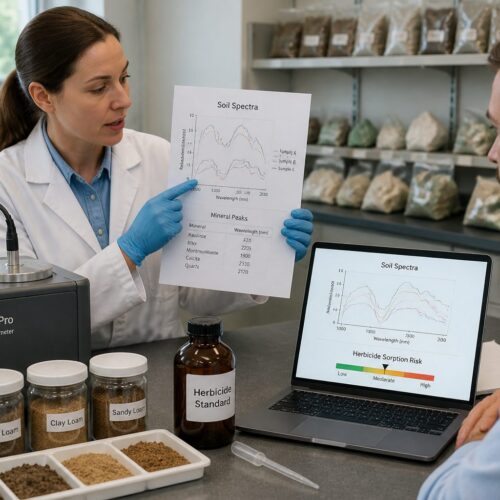
Spectroscopic techniques are revolutionizing the way we estimate plant-available phosphorus in the soil, providing farmers with valuable insights into nutrient dynamics. These methods provide rapid and non-destructive assessments, making them ideal for precision agriculture in an era where efficiency is paramount.
By utilizing soil spectroscopy, farmers can create detailed maps of phosphorus availability across their fields, enabling them to visualize nutrient distribution. This information allows for targeted applications, optimizing fertilizer use and reducing environmental impact while ensuring that crops receive adequate nutrition.
| Soil Type | Phosphorus Sorption Capacity | Plant Availability |
|---|---|---|
| Clayey | High | Low |
| Sandy | Low | High |
| Loamy | Medium | Medium |
| Organic | Variable | High |
These spectral data can be integrated with existing soil health indicators, providing a comprehensive view of nutrient dynamics that enhances management decisions. As technology advances, the accuracy and reliability of these estimations continue to improve, making them an indispensable tool for modern agriculture.
Farmers can leverage this information to implement variable rate phosphorus strategies, ensuring that each part of the field receives the appropriate amount of nutrients it requires for optimal growth. This approach not only enhances crop yield but also promotes sustainable agricultural practices that are increasingly important in today’s environmentally conscious market.
Field Sampling Design for High-Resolution Phosphorus Maps
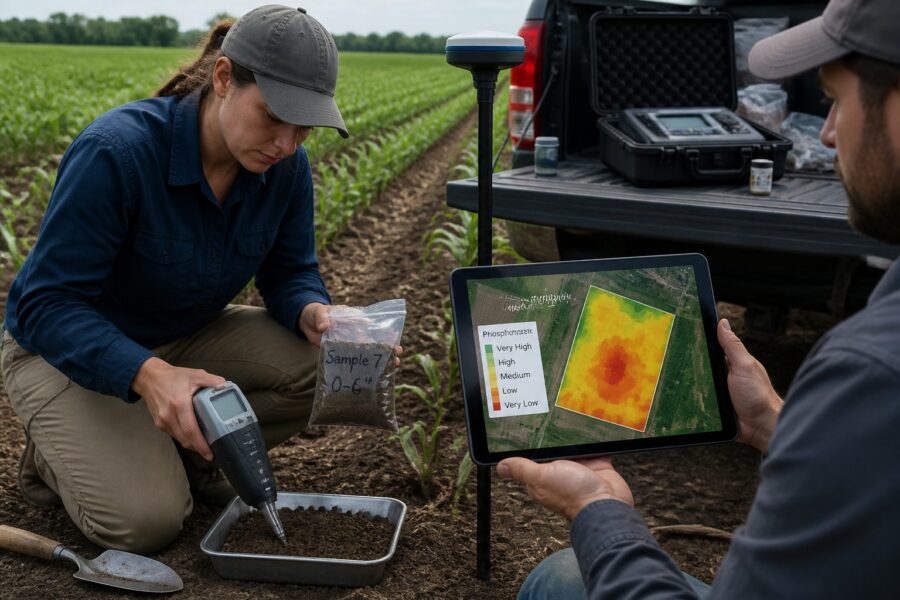
Creating high-resolution phosphorus maps requires a well-thought-out field sampling design that accurately captures the variability of phosphorus across different soil types and management zones. Proper sampling ensures that the data collected reflects the true nutrient status of the soil, allowing for more precise management decisions that can improve crop outcomes.
To achieve this, farmers should consider stratified sampling techniques that account for variations in soil texture, topography, and historical management practices that influence nutrient availability. This targeted approach results in more reliable phosphorus availability mapping through soil spectroscopy, enabling farmers to tailor their nutrient applications effectively.
Sampling frequency and depth are also critical factors that influence the accuracy of phosphorus maps, as they determine how well the collected data represents the variability in nutrient distribution. Regular monitoring of soil conditions allows farmers to adjust their management practices based on current phosphorus availability, ensuring that crops receive the nutrients they need when they need them.
Moreover, integrating GPS technology can enhance the precision of sampling locations, ensuring that the collected data is representative of the field’s overall nutrient status. This technological integration leads to more effective nutrient management strategies in row crop farming, reducing waste and enhancing productivity.
Ultimately, a robust sampling design lays the foundation for accurate phosphorus management that can significantly improve crop yields. High-resolution maps empower farmers to make data-driven decisions that optimize nutrient application and enhance crop productivity, contributing to a more sustainable future for agriculture.
Interpreting Spectral Predictions Against Mehlich-3 Lab Results
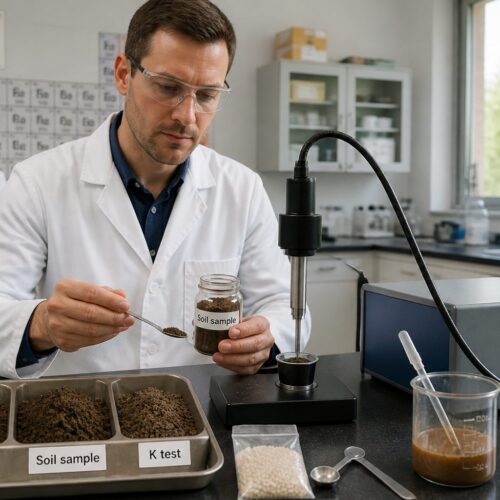
Interpreting spectral predictions of phosphorus availability requires careful comparison with established laboratory methods like Mehlich-3, which is widely recognized in soil science. This comparison helps validate the accuracy and reliability of the spectral data, ensuring that farmers can trust the information they are using to make critical management decisions.
Mehlich-3 is a widely accepted soil extraction method that provides a benchmark for evaluating phosphorus levels, serving as a reference point for interpreting spectral data. By aligning spectral predictions with Mehlich-3 results, farmers can enhance their confidence in the spectral data and make more informed decisions regarding phosphorus management.
Additionally, discrepancies between these methods can offer valuable insights into soil dynamics and nutrient interactions that may otherwise go unnoticed. Understanding these differences is crucial for refining phosphorus management practices and ensuring that crops receive the necessary nutrients throughout their growth cycles.
Farmers should also consider the temporal aspects of phosphorus availability, as soil conditions can change with seasons and crop growth stages. Regularly updating the correlation between spectral data and lab results ensures more accurate nutrient management that adapts to the changing needs of crops and soil conditions.
Ultimately, integrating spectral predictions with traditional lab results can lead to improved decision-making in phosphorus management, fostering a more sustainable and efficient use of phosphorus in row crop agriculture. This approach not only enhances crop productivity but also contributes to environmental stewardship, which is increasingly important in today’s agricultural landscape.
Building Variable-Rate Phosphorus Application Maps From Spectral Data
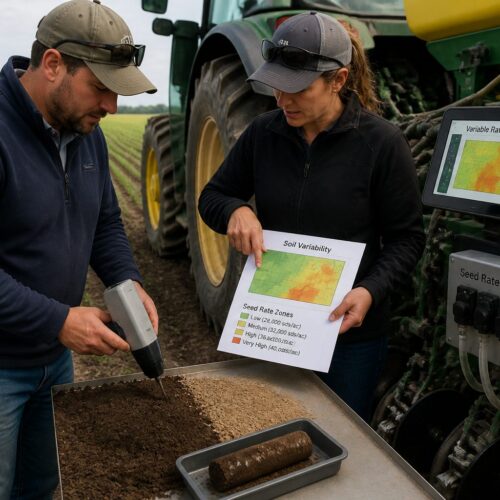
Building variable-rate phosphorus application maps from spectral data allows farmers to optimize fertilizer usage more effectively than ever before. This targeted approach minimizes waste while maximizing crop yield potential, aligning agricultural practices with the principles of sustainability and efficiency.
Farmers can utilize high-resolution spectral maps to create application zones based on phosphorus availability, ensuring that each area of the field receives the right amount of nutrients tailored to its specific needs. This precision farming technique not only enhances crop yield but also promotes sustainable agricultural practices by preventing over-application and reducing environmental impacts.
- Utilize spectral data for mapping
- Analyze soil variability
- Adjust application rates accordingly
- Monitor crop response over time
- Refine maps annually
By continually refining these maps, farmers can adapt to changing soil conditions and crop needs throughout the growing season, ensuring that their nutrient management strategies remain effective. This dynamic approach to phosphorus management fosters enhanced sustainability in agricultural practices, demonstrating a commitment to environmental stewardship.
Ultimately, variable-rate phosphorus applications lead to improved economic returns and environmental sustainability by using resources more efficiently. This method exemplifies the benefits of integrating technology into modern farming practices, paving the way for a more productive and environmentally conscious agricultural future.
Reducing Over-Application Risk Using Spatial Phosphorus Variability
Understanding spatial phosphorus variability is essential in reducing the risk of over-application, which can lead to significant environmental issues such as runoff and nutrient pollution. By utilizing advanced mapping techniques, farmers can identify areas of high and low phosphorus availability, allowing for more targeted and effective nutrient management.
By tracking these changes, farmers can make timely adjustments to their nutrient management strategies, ensuring that crops receive adequate phosphorus throughout their growth stages. This proactive approach ensures that nutrient needs are met at critical points in the crop lifecycle, which is essential for maximizing yield and quality.
Utilizing soil spectroscopy for this monitoring can provide real-time data on phosphorus availability, enhancing decision-making and promoting optimal nutrient management practices. This capability allows farmers to respond quickly to changing soil conditions and crop needs, ensuring that their practices remain effective.
Additionally, understanding seasonal phosphorus dynamics can help farmers plan for future crop cycles, enabling them to make informed decisions about nutrient applications. This foresight is essential for sustainable agricultural practices and long-term soil health, contributing to the overall resilience of farming systems.
Ultimately, regular monitoring of phosphorus depletion empowers farmers to enhance crop productivity while safeguarding environmental quality. This approach demonstrates the value of integrating technology with traditional farming practices, leading to more efficient and sustainable agricultural systems.
Economic Return on Spectroscopy-Guided Phosphorus Management
Implementing spectroscopy-guided phosphorus management can yield significant economic benefits for farmers, contributing to more sustainable agricultural practices. By optimizing phosphorus applications, farmers can reduce costs associated with fertilizer inputs, leading to enhanced profitability and resource efficiency.
Furthermore, better phosphorus management leads to enhanced crop yields and quality, contributing to higher profits and improved marketability of produce. This economic advantage underscores the importance of adopting precision farming techniques that leverage technology for better decision-making and resource management.
As farmers increasingly embrace technology, the integration of soil spectroscopy into nutrient management will become more prevalent, paving the way for a more sustainable agricultural future. This shift represents a move toward more efficient and responsible farming practices that prioritize both economic viability and environmental health.
In conclusion, investing in spectroscopy-guided phosphorus management is not just an agricultural trend but a necessity for farmers looking to thrive in a competitive market. It aligns economic viability with environmental stewardship, fostering a sustainable future for farming that benefits both producers and consumers alike.
This knowledge allows for more precise applications, minimizing the risk of phosphorus runoff and environmental degradation that can arise from excessive fertilizer use. Lowering application rates in high phosphorus zones contributes to sustainable farming practices that protect water quality and promote healthier ecosystems.
Moreover, this targeted approach not only conserves resources but also enhances crop health and productivity. By matching phosphorus applications to soil needs, farmers can optimize inputs for better economic returns, ensuring that their practices are both profitable and environmentally responsible.
Regular monitoring of spatial variability helps in adjusting management practices as needed, allowing farmers to respond to changing soil conditions and crop requirements. This adaptability is crucial for effective phosphorus management in row crop agriculture, ultimately leading to improved crop performance and sustainability.
Ultimately, reducing over-application risk through spatial phosphorus variability leads to a more sustainable and profitable farming operation that benefits both farmers and the environment. This strategy exemplifies the importance of precision agriculture in modern farming, highlighting the critical role of data in driving successful agricultural practices.
Monitoring Phosphorus Depletion Across Crop Seasons
Monitoring phosphorus depletion across crop seasons is critical for maintaining soil fertility and ensuring that crops have access to the nutrients they need for optimal growth. Regular assessment helps farmers understand how phosphorus levels fluctuate with crop growth and environmental factors, allowing for timely adjustments to nutrient management strategies.
By tracking these changes, farmers can make timely adjustments to their nutrient management strategies, ensuring that crops receive adequate phosphorus throughout their growth stages. This proactive approach ensures that nutrient needs are met at critical points in the crop lifecycle, which is essential for maximizing yield and quality.
Utilizing soil spectroscopy for this monitoring can provide real-time data on phosphorus availability, enhancing decision-making and promoting optimal nutrient management practices. This capability allows farmers to respond quickly to changing soil conditions and crop needs, ensuring that their practices remain effective.
Additionally, understanding seasonal phosphorus dynamics can help farmers plan for future crop cycles, enabling them to make informed decisions about nutrient applications. This foresight is essential for sustainable agricultural practices and long-term soil health, contributing to the overall resilience of farming systems.
Ultimately, regular monitoring of phosphorus depletion empowers farmers to enhance crop productivity while safeguarding environmental quality. This approach demonstrates the value of integrating technology with traditional farming practices, leading to more efficient and sustainable agricultural systems.
Economic Return on Spectroscopy-Guided Phosphorus Management
Implementing spectroscopy-guided phosphorus management can yield significant economic benefits for farmers, contributing to more sustainable agricultural practices. By optimizing phosphorus applications, farmers can reduce costs associated with fertilizer inputs, leading to enhanced profitability and resource efficiency.
Furthermore, better phosphorus management leads to enhanced crop yields and quality, contributing to higher profits and improved marketability of produce. This economic advantage underscores the importance of adopting precision farming techniques that leverage technology for better decision-making and resource management.
As farmers increasingly embrace technology, the integration of soil spectroscopy into nutrient management will become more prevalent, paving the way for a more sustainable agricultural future. This shift represents a move toward more efficient and responsible farming practices that prioritize both economic viability and environmental health.
In conclusion, investing in spectroscopy-guided phosphorus management is not just an agricultural trend but a necessity for farmers looking to thrive in a competitive market. It aligns economic viability with environmental stewardship, fostering a sustainable future for farming that benefits both producers and consumers alike.