
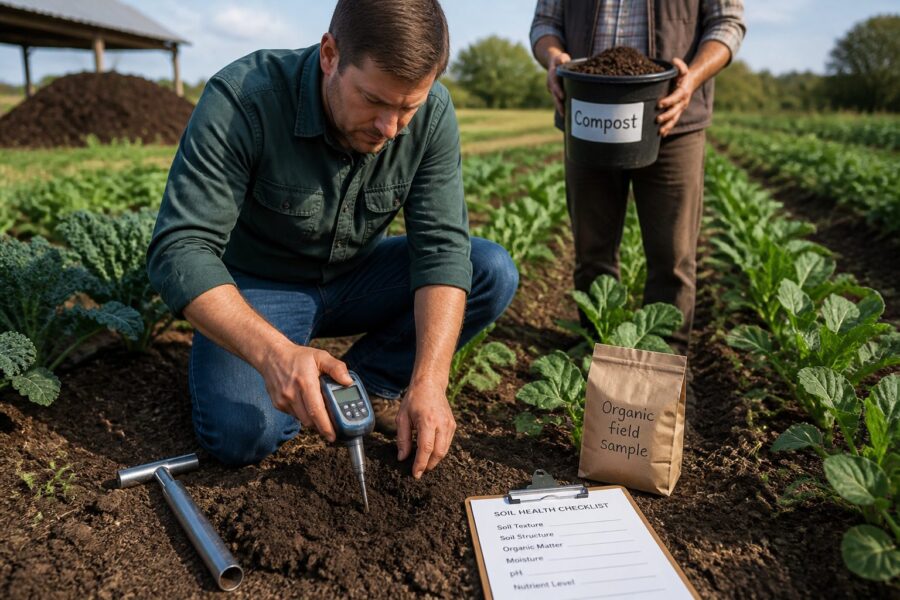
In the realm of organic farming, the emphasis on soil health is paramount for both environmental sustainability and agricultural productivity. As the demand for organic produce continues to rise significantly, farmers need innovative tools that can provide effective soil health measurement, which is crucial for maintaining the quality and vitality of their crops.
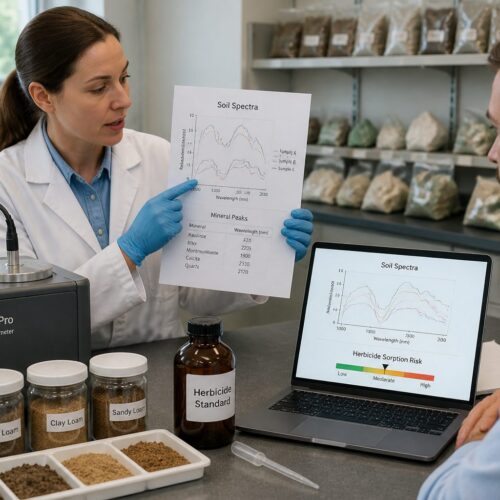
Traditional methods of measuring soil health often fall short in providing the detailed insights required for managing the unique characteristics of organic soils. This is precisely where soil spectroscopy emerges as a game-changer for organic farmers, enabling them to gain a deeper understanding of their soil’s condition and requirements.
By utilizing advanced spectral analysis techniques, farmers can obtain a much deeper understanding of soil composition, nutrient levels, and overall health. This knowledge is essential for optimizing agricultural practices and ensuring sustainability in organic farming, where the health of the soil directly impacts crop yields and quality.
Why Organic Farmers Need Better Soil Health Measurement Tools
Organic farmers face unique challenges that require precise and accurate soil health measurement tools to address the complexities of their farming systems. Conventional methods may not capture the intricate biological and chemical dynamics present in organic soils, leading to suboptimal farming practices that can compromise crop yields and soil vitality.
With the growing focus on sustainable practices and the increasing consumer demand for organic products, there is a pressing need for tools that can accurately assess soil health in organic farming contexts. Better measurement tools can enhance decision-making processes and significantly improve crop yields, thereby supporting the long-term viability of organic farming.
Soil health measurement tools must be highly sensitive to the biological and chemical indicators that are unique to organic systems, ensuring a comprehensive understanding of soil health. This sensitivity is crucial for fostering practices that promote soil vitality, enhance nutrient cycling, and ultimately lead to productive and sustainable organic farming.
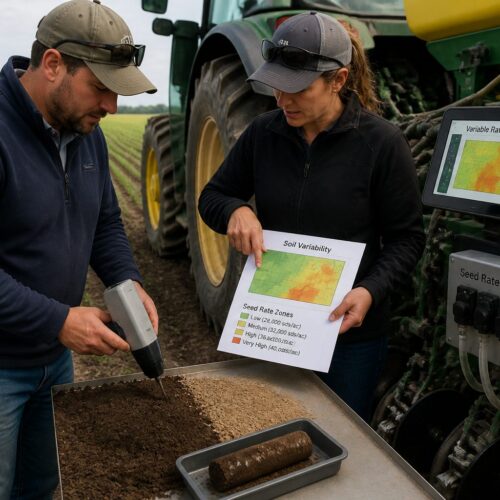
Incorporating advanced technology like soil spectroscopy can provide organic farmers with the critical insights they need to make informed decisions. By analyzing spectral data, farmers can optimize their practices in a way that aligns with organic farming principles, enhancing both soil health and crop performance.
Ultimately, better measurement tools contribute not only to the immediate success of organic farming operations but also to the long-term viability and resilience of the agricultural system as a whole. As farmers embrace these technological innovations, they will be better equipped to meet consumer demands and tackle the environmental challenges associated with modern agriculture.
Spectral Indicators of Biologically Active, Input-Free Soils
Biologically active soils are a hallmark of successful organic farming, as they support healthy crop growth and resilience against pests and diseases. Soil spectroscopy offers valuable indicators that reflect the biological activity within these soils, providing farmers with essential data for assessing soil health.
By examining spectral data, farmers can identify crucial metrics such as organic matter content and microbial activity levels, which are essential for understanding the overall health and sustainability of soil ecosystems. These indicators not only help farmers make informed decisions but also guide them in implementing practices that enhance soil quality and crop yields.
Using soil spectroscopy, farmers can monitor changes in biological activity over time, allowing them to track the effectiveness of their management practices. This continuous monitoring facilitates timely interventions and necessary adjustments in farming techniques, ensuring that soil health is maintained throughout the growing season.
Moreover, spectral indicators can help distinguish between soils that have received chemical inputs and those that are managed solely through organic practices. This differentiation is crucial for maintaining the integrity and credibility of organic farming, as it ensures that farmers adhere to organic standards and principles.
Overall, spectral indicators serve as a vital tool for organic farmers striving to enhance soil health and productivity. By leveraging these indicators, farmers can foster biologically active, input-free soils that contribute to higher productivity and sustainability, ultimately benefiting both their operations and the environment.
Tracking Compost Decomposition and Humus Formation Over Seasons
Compost decomposition and humus formation are critical components of soil health in organic farming, as they enrich the soil with essential nutrients and improve its structure. Soil spectroscopy provides an effective means to track these important processes over time, offering farmers valuable insights into the dynamics of their compost applications.
By analyzing spectral data, farmers can determine the rate of compost breakdown and the formation of stable humus, which is essential for optimizing compost application. This information is crucial for improving soil structure, enhancing nutrient retention, and ultimately fostering healthier crops.
| Season | Compost Decomposition Rate | Humus Formation Level |
|---|---|---|
| Spring | High | Low |
| Summer | Medium | Medium |
| Fall | Medium | High |
| Winter | Low | Very High |
Tracking these changes allows farmers to adjust their organic soil health monitoring strategies accordingly, ensuring that they are maximizing the benefits of their compost applications. By tailoring their practices to seasonal variations, farmers can enhance soil fertility and optimize crop production, which is vital for successful organic farming.
Incorporating spectroscopy into compost management practices can lead to improved soil quality and health, ultimately supporting the creation of rich, fertile soils that are fundamental to organic agriculture. This innovative approach not only helps farmers achieve better yields but also promotes a more sustainable and environmentally friendly farming system.
Using Spectroscopy to Validate Organic Matter Claims for Certification
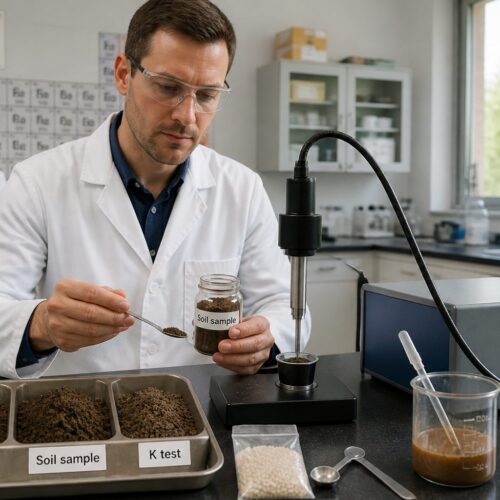
Validation of organic matter claims is crucial for maintaining organic certification, as it ensures that farmers adhere to strict standards and practices. Soil spectroscopy serves as an effective tool for verifying the organic content in soils, providing concrete data that supports certification processes.
By providing quantitative data on organic matter levels, spectroscopy helps streamline the certification process, which is essential for demonstrating compliance with the stringent requirements set by organic certification bodies. This verification not only helps farmers maintain their certification status but also reinforces their commitment to sustainable and organic practices.
Additionally, using spectroscopy can significantly enhance the credibility of organic farming practices in the eyes of consumers, who are increasingly concerned about the integrity of the food supply. Farmers can effectively demonstrate their commitment to sustainability and organic integrity through reliable data, fostering trust and loyalty among their customer base.
As a result, spectroscopy not only aids in organic certification but also promotes trust among consumers, which is essential for the growth and acceptance of organic products in the marketplace. This trust is vital for building a robust organic sector that can compete with conventional agriculture.
Ultimately, the ability to validate organic matter claims strengthens the entire organic farming community by ensuring transparency and accountability. Accurate verification processes contribute to a more sustainable future for agriculture, supporting the ongoing transition to organic practices that benefit both producers and consumers alike.
Detecting Residual Contamination in Transition-Phase Fields
Transitioning from conventional to organic farming poses unique challenges, particularly regarding soil contamination from previous agricultural practices. Soil spectroscopy can play a pivotal role in detecting residual contaminants in these fields, providing farmers with critical information to ensure soil health and compliance with organic standards.
By analyzing soil spectra, farmers can identify chemical residues that may hinder organic certification, including harmful substances left over from conventional farming methods. This proactive approach allows for timely remediation strategies to be implemented and ensures compliance with organic standards during the transition phase.
- Pesticide residues
- Herbicide traces
- Fertilizer contaminants
- Heavy metals
- Pathogen indicators
Detecting these contaminants early is essential for protecting soil health and productivity, as well as for safeguarding the integrity of the organic certification process. By addressing contamination issues promptly, farmers can ensure that their transition to organic practices is successful and sustainable.
Ultimately, the ability to monitor residual contamination supports organic farmers in making informed decisions that will positively impact their soil health and crop yields. With the right tools and technologies in place, they can navigate the complexities of transitioning to organic farming with confidence and success.
Comparing Organic and Conventional Soil Spectral Profiles
Understanding the differences between organic and conventional soil is crucial for effective farming practices and for making informed decisions that enhance agricultural productivity. Soil spectroscopy provides a powerful means to compare spectral profiles of these two soil types, revealing insights that can guide farmers in optimizing their management strategies.
These comparisons reveal distinct variations in organic matter content, nutrient availability, and microbial activity, all of which are vital for successful crop production. Such insights are invaluable for optimizing soil management strategies that are tailored to each farming approach, ensuring that practices are aligned with the unique needs of organic or conventional systems.
By utilizing spectral profiles, farmers can make informed decisions about nutrient inputs and soil amendments, allowing for a more precise and effective approach to soil management. This knowledge enables them to enhance soil health, improve crop yields, and ultimately achieve better economic outcomes.
Moreover, understanding these differences can help in educating consumers about the benefits of organic farming, reinforcing the value of organic practices in fostering sustainable agriculture. This educational aspect is critical for building consumer awareness and support for organic products in the marketplace.
In conclusion, comparing organic and conventional soil spectral profiles enhances the understanding of agricultural systems and the impact of different farming practices. This understanding is key to advancing practices that support environmental health and the overall sustainability of agriculture.
Microbial Biomass Proxies Derivable From Mid-Infrared Spectra
Microbial biomass is a critical indicator of soil health in organic farming, as it directly influences nutrient cycling and plant growth. Mid-infrared spectroscopy offers valuable proxies for assessing microbial biomass in soils, providing farmers with essential data to inform their management practices.
By analyzing spectral data, farmers can estimate microbial biomass levels, which are essential for understanding soil fertility and overall ecosystem health. These proxies provide insights into the biological activity within the soil, helping farmers gauge the effectiveness of their organic practices and make necessary adjustments.
Moreover, monitoring microbial biomass can guide soil management practices, allowing farmers to optimize inputs and enhance soil productivity sustainably. This information is crucial for supporting healthy crop growth and maintaining soil vitality over time.
Incorporating these proxies into organic soil health monitoring can lead to improved farming outcomes, including increased yields and enhanced soil structure. This approach supports a holistic understanding of soil dynamics and biological interactions, ultimately benefiting both farmers and the environment.
Ultimately, microbial biomass proxies derived from mid-infrared spectra enhance the knowledge base for organic farmers, equipping them with the information they need to foster healthy, thriving soils. This knowledge is vital for achieving long-term sustainability and productivity in organic farming systems.
Integrating Spectral Soil Data Into Organic Farm Management Plans
Integrating spectral soil data into organic farm management plans is essential for optimizing agricultural practices and ensuring sustainable outcomes. By utilizing this data, farmers can make evidence-based decisions that enhance soil health and improve overall farm management.
Soil spectral data can guide important decisions related to crop rotation, cover cropping, and nutrient management strategies, all of which are critical for maintaining soil fertility. This integration ensures that farming practices are aligned with the principles of organic farming, fostering both environmental sustainability and agricultural productivity.
Additionally, leveraging spectral data supports continuous improvement in farming methods, as farmers can monitor progress and make adjustments based on real-time soil health indicators. This data-driven approach allows for more responsive and effective management strategies that can adapt to changing conditions and emerging challenges.
Incorporating this data into farm management plans also fosters collaboration among stakeholders, including farmers, researchers, and agricultural organizations. It encourages knowledge sharing and innovation within the organic farming community, which is essential for advancing practices and building resilience.
Ultimately, integrating spectral soil data empowers organic farmers to achieve their sustainability goals while enhancing productivity and profitability. This holistic approach contributes to the overall success of organic farming practices and supports the continued growth of the organic sector.
Challenges of Applying Conventional Spectral Models to Organic Soils
While soil spectroscopy offers numerous advantages for organic farming, applying conventional spectral models to organic soils poses significant challenges that must be addressed. These models may not account for the unique characteristics and complexities of organic farming systems, leading to potential inaccuracies in soil assessments.
Differences in organic matter composition, biological activity, and nutrient dynamics can lead to inaccurate predictions when using conventional models. Therefore, it is essential to develop tailored spectral models that reflect the realities of organic soils, ensuring more accurate and reliable assessments.
Addressing these challenges requires ongoing research and collaboration within the agricultural community to refine models and methods. By engaging in this collaborative effort, we can enhance the effectiveness of soil spectroscopy in organic farming and improve outcomes for farmers and the environment alike.
Furthermore, education and training are vital for farmers to understand and utilize these advanced tools effectively. Empowering farmers with the necessary knowledge and skills will facilitate the successful application of spectroscopy in their practices, ultimately enhancing soil health and productivity.
In conclusion, while challenges exist in the application of conventional spectral models to organic soils, the potential benefits of soil spectroscopy for organic farming are significant and far-reaching. Overcoming these hurdles will lead to a more sustainable future for agriculture, enabling farmers to harness the full potential of their soils in a responsible and environmentally friendly manner.