

Soil classification is a foundational practice in agriculture, influencing decisions from crop selection to irrigation strategies. The ability to accurately categorize soils based on their properties is essential for optimizing agricultural productivity and ensuring sustainable land management. Understanding the nuances of soil types allows farmers and agricultural professionals to make informed decisions that can significantly impact yields and resource efficiency.
This article will explore the critical role of soil mineralogy in soil classification, providing a detailed guide for professionals in the field. By examining the mineral composition of soils, we can gain deeper insights into their physical and chemical properties, leading to more precise and effective soil management practices.
We will also discuss how mineralogical data can be used to improve soil classification accuracy, ultimately enhancing agricultural outcomes. Let’s begin by understanding the importance of soil classification in the broader context of agriculture.
Understanding the Importance of Soil Classification
Soil classification is the process of grouping soils with similar properties into distinct categories. This system helps in predicting soil behavior under various conditions and in tailoring management practices to specific soil types. Soil taxonomy provides a standardized framework for communication and knowledge sharing among scientists, farmers, and policymakers.
Effective soil management relies heavily on accurate soil classification. Different soils have varying capacities for water retention, nutrient availability, and structural stability. Knowing these characteristics allows for targeted interventions that can optimize plant growth and minimize environmental impact.
For example, sandy soils, known for their excellent drainage, require frequent irrigation but are less prone to waterlogging. Clay soils, on the other hand, retain water well but can become compacted and poorly aerated. Understanding these differences is essential for selecting appropriate crops and management techniques.
Moreover, soil classification aids in identifying areas prone to erosion or nutrient deficiencies. This knowledge enables the implementation of conservation practices and targeted fertilization strategies. Soil mineralogy soil classification, therefore, becomes an integral part of sustainable agriculture, promoting long-term soil health and productivity.
The Role of Soil Mineralogy in Soil Classification Systems
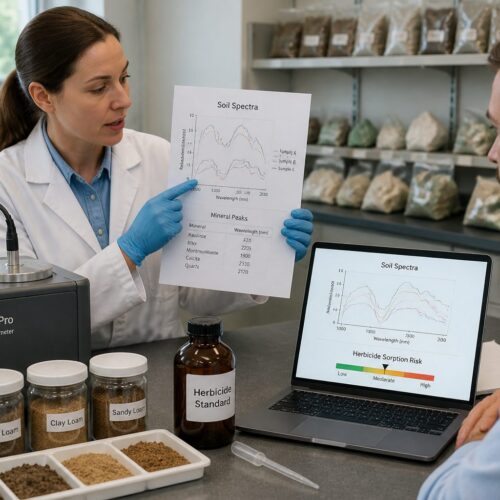
Soil mineralogy plays a fundamental role in determining the physical and chemical properties of soils. Minerals are the building blocks of soil, influencing its texture, structure, water-holding capacity, and nutrient retention. Therefore, understanding the mineral composition is essential for accurate soil classification.
Different minerals contribute differently to soil properties. For instance, clay minerals like montmorillonite have a high surface area and cation exchange capacity, making them excellent at retaining water and nutrients. Quartz, a common mineral in sandy soils, contributes to good drainage but has limited nutrient retention capacity.
Soil classification systems, such as the USDA soil taxonomy, often incorporate mineralogical data to differentiate between soil types. The presence or absence of specific minerals, as well as their relative abundance, can be used as diagnostic criteria for classification. This approach allows for a more nuanced understanding of soil behavior and potential agricultural uses.
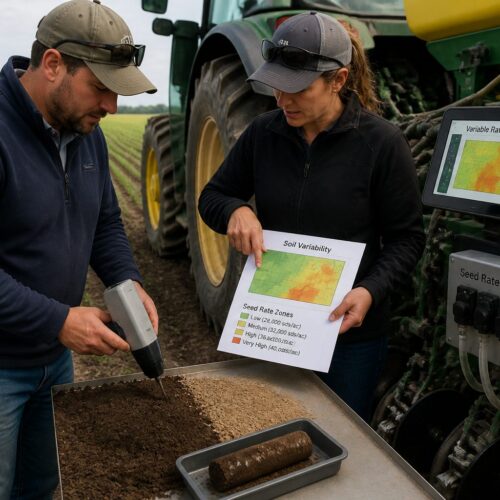
By integrating mineralogical information into soil classification, we can move beyond simple textural classifications to a more comprehensive assessment of soil properties. This is especially important in precision agriculture, where site-specific management practices require detailed knowledge of soil characteristics. Soil mineralogy soil classification, thus, forms the backbone of informed agricultural decision-making.
Identifying Key Minerals for Soil Classification
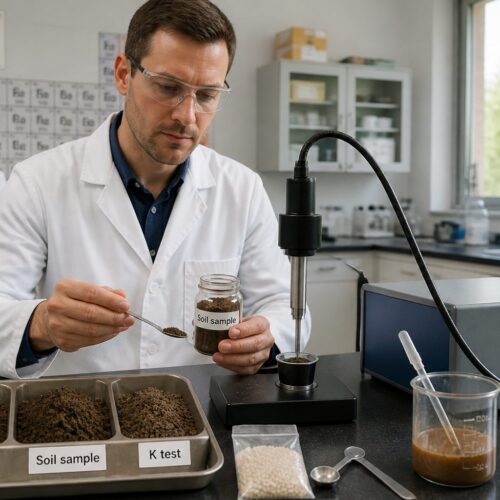
Identifying key minerals in soil is crucial for accurate classification and effective soil management. Various techniques are employed to determine the mineral composition of soil samples. These methods range from simple field tests to sophisticated laboratory analyses.
Field tests, such as the ribbon test for estimating clay content, can provide preliminary information about soil texture. However, more precise mineral identification requires laboratory techniques like X-ray diffraction (XRD) and differential thermal analysis (DTA).
| Mineral | Chemical Formula | Key Properties |
|---|---|---|
| Quartz | SiO2 | High stability, good drainage |
| Feldspar | (Na,K,Ca)AlSi3O8 | Weathering source of nutrients |
| Montmorillonite | (Na,Ca)0.33(Al,Mg)2Si4O10(OH)2·nH2O | High water retention, high cation exchange capacity |
| Kaolinite | Al2Si2O5(OH)4 | Low water retention, low cation exchange capacity |
| Mica | KAl2(AlSi3O10)(OH)2 | Source of potassium, moderate water retention |
Using Mineralogical Data to Improve Soil Classification Accuracy
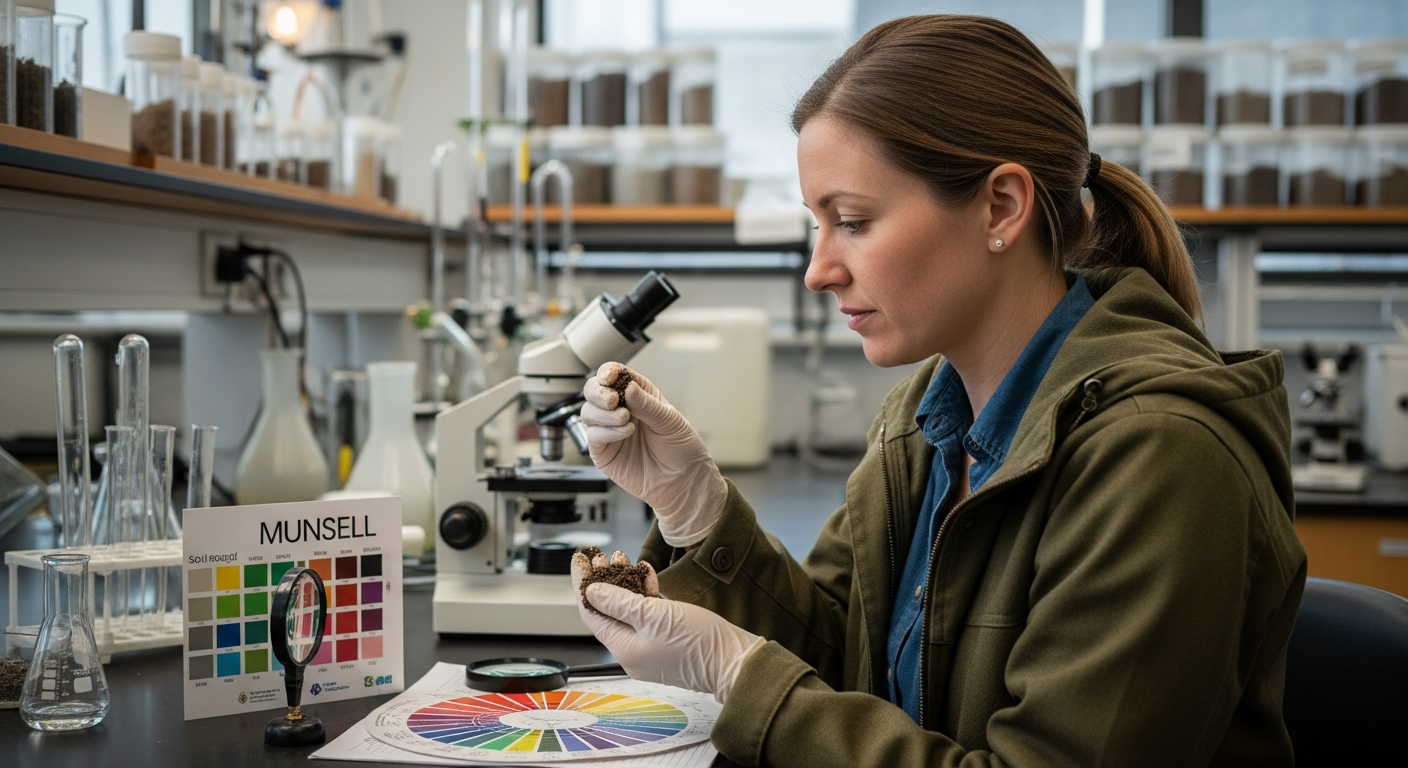
Mineralogical data significantly enhances the accuracy of soil classification by providing detailed insights into soil properties. Traditional soil classification methods often rely on broad characteristics such as texture and color. However, these methods can be limited in their ability to differentiate between soils with similar physical appearances but different mineral compositions.
By incorporating mineralogical information, soil scientists can identify subtle but important differences that affect soil behavior. For example, two soils may have similar clay content but differ significantly in the type of clay minerals present. One soil may be dominated by montmorillonite, which has high water-holding capacity and cation exchange capacity, while the other may be dominated by kaolinite, which has lower values for these properties.
This difference in mineral composition can have a profound impact on nutrient availability, water management, and overall soil fertility. Understanding the mineralogy allows for more precise recommendations for fertilization, irrigation, and other management practices. It also helps in predicting how the soil will respond to different agricultural inputs and environmental conditions.
Furthermore, mineralogical data can be used to refine existing soil classification systems and develop new ones that are more relevant to specific agricultural needs. This is particularly important in regions with complex soil landscapes where traditional classification methods may not adequately capture the variability in soil properties. Soil mineralogy soil classification, therefore, becomes a powerful tool for improving agricultural productivity and sustainability.
Applications of Soil Classification in Agricultural Management
Soil classification is not just an academic exercise; it has numerous practical applications in agricultural management. Accurate soil classification informs decisions related to crop selection, irrigation, fertilization, and soil conservation. It also plays a crucial role in land use planning and environmental protection.
Crop selection is one of the most direct applications of soil classification. Different crops have different soil requirements, and selecting the right crop for a particular soil type can significantly improve yields. For example, crops like rice thrive in clay soils with high water-holding capacity, while crops like carrots prefer sandy soils with good drainage.
- Crop selection
- Irrigation scheduling
- Fertilization strategies
- Soil conservation practices
- Land use planning
Case Studies: Successful Soil Classification Projects
Several successful soil classification projects have demonstrated the practical benefits of integrating mineralogical data into agricultural management. These case studies highlight how a detailed understanding of soil properties can lead to improved crop yields, reduced environmental impact, and more sustainable farming practices. Let’s look at a few examples.
In the Netherlands, a comprehensive soil survey incorporating mineralogical analysis was conducted to optimize fertilizer application in potato farming. The study revealed significant variations in soil nutrient-holding capacity due to differences in clay mineralogy. By tailoring fertilizer application rates to specific soil types, farmers were able to reduce nutrient runoff and increase potato yields.
Another case study in Australia focused on improving wheat production in arid and semi-arid regions. Researchers used mineralogical data to identify soils with high water-holding capacity and nutrient availability. They then recommended specific wheat varieties that were well-suited to these soil types, resulting in increased grain yields and improved water use efficiency.
In the United States, a project in California aimed to mitigate soil erosion in vineyards. The study involved detailed soil mapping and mineralogical analysis to identify areas prone to erosion. Based on this information, conservation practices such as cover cropping and terracing were implemented, significantly reducing soil loss and improving vineyard health.
These case studies illustrate the value of integrating soil mineralogy into soil classification and agricultural management. By understanding the mineral composition of soils, we can make more informed decisions that lead to improved agricultural outcomes and more sustainable land use practices. Soil mineralogy soil classification is not just a theoretical concept; it is a practical tool for enhancing agricultural productivity and environmental stewardship.
Advanced Techniques in Soil Mineralogy Analysis
The field of soil mineralogy has seen significant advancements in analytical techniques, allowing for more detailed and accurate characterization of soil minerals. These advanced techniques provide valuable insights into the composition and properties of soils, enhancing our ability to classify and manage them effectively. Let’s explore some of these cutting-edge methods.
X-ray diffraction (XRD) remains a cornerstone of soil mineralogy, but modern XRD instruments offer improved resolution and sensitivity. These advancements allow for the identification of even trace amounts of minerals and the determination of their crystal structures with greater precision. This is particularly useful for distinguishing between different types of clay minerals, which can have subtle but important differences in their properties.
Scanning electron microscopy (SEM) is another powerful technique that provides high-resolution images of soil particles. SEM can be used to visualize the morphology of individual mineral grains and their spatial relationships within the soil matrix. This information is valuable for understanding soil structure and porosity, which are critical factors affecting water infiltration, aeration, and root growth.
Spectroscopic techniques, such as Fourier transform infrared spectroscopy (FTIR) and Raman spectroscopy, are increasingly used to identify and quantify soil minerals. These methods are based on the interaction of electromagnetic radiation with the vibrational modes of molecules in the minerals. Spectroscopic techniques can provide information about the chemical bonding and structural arrangement of atoms within minerals, which can be used to differentiate between minerals with similar chemical compositions.
Another advanced technique is inductively coupled plasma mass spectrometry (ICP-MS), which is used to determine the elemental composition of soils. ICP-MS can measure the concentrations of a wide range of elements, including major nutrients, trace elements, and heavy metals. This information is valuable for assessing soil fertility, identifying nutrient deficiencies, and monitoring soil contamination.
The integration of these advanced techniques into soil mineralogy analysis is revolutionizing our understanding of soil properties and behavior. By providing more detailed and accurate information about soil minerals, these methods are enabling more precise soil classification and more effective agricultural management practices. Soil mineralogy soil classification is benefiting greatly from these technological advancements.
Challenges and Future Directions in Soil Mineralogy
Despite the significant advancements in soil mineralogy, several challenges remain in applying this knowledge to agricultural management. One of the main challenges is the complexity of soil mineral assemblages. Soils often contain a mixture of different minerals, and the interactions between these minerals can be complex and difficult to predict.
Another challenge is the spatial variability of soil mineralogy. Soil mineral composition can vary significantly even within a small area, making it difficult to develop management recommendations that are applicable across an entire field. This variability necessitates the use of high-resolution soil mapping and sampling techniques to accurately characterize soil mineralogy.
Looking ahead, several future directions hold promise for advancing the field of soil mineralogy. One area of focus is the development of more rapid and cost-effective methods for soil mineral analysis. This would make it more feasible to conduct detailed soil surveys and monitor soil mineral changes over time.
Another important direction is the integration of soil mineralogy data with other types of soil information, such as soil texture, organic matter content, and nutrient levels. This integrated approach would provide a more holistic understanding of soil properties and their relationship to agricultural productivity. It also calls for integration with digital soil mapping techniques to create comprehensive soil information systems.
Additionally, there is a growing need for research on the effects of agricultural management practices on soil mineralogy. Understanding how tillage, fertilization, and irrigation affect soil mineral composition is essential for developing sustainable farming systems. This knowledge can help farmers manage their soils in a way that preserves soil health and minimizes environmental impact. Soil mineralogy soil classification, therefore, will continue to evolve and play a crucial role in shaping the future of agriculture.
Conclusion
In conclusion, soil mineralogy plays a critical role in soil classification and agricultural management. By understanding the mineral composition of soils, we can gain valuable insights into their physical and chemical properties, leading to more informed decisions about crop selection, irrigation, fertilization, and soil conservation.
The integration of mineralogical data into soil classification systems enhances the accuracy of soil mapping and allows for more targeted management practices. As technology advances, we can expect to see even more sophisticated techniques for soil mineral analysis, further improving our ability to understand and manage this vital resource. Soil mineralogy soil classification is essential for sustainable agriculture.