
Understanding soil aggregate stability is crucial for assessing field health in precision agriculture, as it provides a detailed look into the intricate dynamics of soil ecosystems. This concept offers invaluable insights into soil structure, water retention capabilities, and nutrient cycling processes, all of which are essential for achieving optimal crop growth and ensuring sustainable agricultural practices.
Aggregate stability refers to the ability of soil aggregates to resist disintegration when exposed to external forces, such as wind, water, and mechanical disturbance. This characteristic is vital for maintaining soil health, as it enhances productivity in agricultural systems by ensuring that the soil remains intact and capable of supporting plant life.
In recent years, soil spectroscopy has emerged as a powerful tool for evaluating soil aggregate stability, revolutionizing how farmers assess their fields. By analyzing the spectral signatures associated with different soil types, farmers can make informed decisions regarding tillage practices, crop selection, and nutrient management strategies tailored to their specific needs.
Soil aggregate stability serves as an indicator of overall soil health and functionality, providing a window into the ecosystem’s condition. It impacts critical processes such as water infiltration, root penetration, and microbial activity, all of which are essential for sustainable agriculture and healthy crop production.
High aggregate stability often correlates with better soil structure, which promotes resilience against erosion and compaction that can degrade soil quality. Conversely, low stability can lead to increased vulnerability to degradation, resulting in reduced productivity and compromised ecosystem services that are vital for agricultural success.
Regular assessment of soil aggregate stability can guide farmers in managing their fields more effectively, offering a proactive approach to soil health management. By understanding the current state of soil aggregates, farmers can optimize inputs, conserve resources, and preserve soil quality over time, leading to more sustainable farming practices.
For precision farming, monitoring changes in aggregate stability provides critical information that can be leveraged to enhance soil health. Understanding these dynamics not only leads to improved crop yields but also fosters sustainable practices that benefit both the environment and agricultural productivity.
Ultimately, soil aggregate stability is a vital component of soil health assessment, reflecting the complex interactions within the soil ecosystem. By focusing on this aspect, farmers can make informed decisions that benefit both their operations and the environment, contributing to the overall sustainability of agriculture.
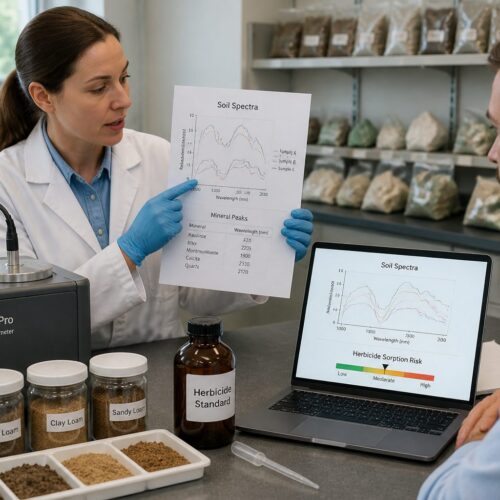
Spectral signatures of aggregate-rich soils reveal important information about their composition and stability, acting as a diagnostic tool for understanding soil health. These signatures correspond to specific mineralogical and organic content characteristics that can influence how well soil aggregates form and persist over time.
Analyzing these spectral signatures allows for the differentiation of soil types and their aggregate stability, enabling farmers to tailor their management strategies accordingly. This information is crucial for creating effective management strategies that address the unique needs of each field based on its specific soil characteristics.
Different wavelengths can highlight variations in moisture content and organic matter, both of which contribute to aggregate stability and overall soil health. By utilizing spectroscopy, farmers can more accurately assess field conditions without the need for extensive and labor-intensive sampling methods that may not capture the full variability present in their soils.
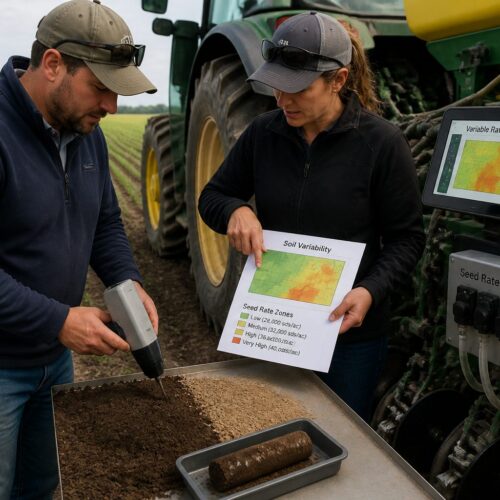
This technology also helps in identifying specific areas of the field that may require targeted interventions, facilitating a more focused approach to soil management. Targeting these zones can significantly enhance overall soil health and improve crop performance, ultimately leading to greater agricultural productivity.
The integration of spectral data into soil health assessments streamlines the decision-making process for farmers, making it easier to prioritize interventions based on the condition of their soil. This precision farming approach not only leads to better resource management but also contributes to increased agricultural sustainability and resilience in the face of environmental challenges.
Mineralogy plays a critical role in determining soil aggregate formation and durability, as different minerals contribute varying levels of binding strength and structural integrity to soil aggregates. The presence of specific minerals can either enhance or diminish the ability of soil to maintain stable aggregates, influencing overall soil health and productivity.
The presence of clay minerals, for instance, enhances aggregation due to their small particle size and high surface area, allowing them to form stronger bonds between soil particles. This results in improved stability against external forces, which is essential for maintaining healthy soils that can support robust crop growth.
| Mineral Type | Effect on Aggregates | Common Soils |
|---|---|---|
| Clay | Increases binding strength | Vertisols |
| Sand | Decreases stability | Entisols |
| Silt | Moderate stability | Inceptisols |
| Organic Matter | Improves structure | Histosols |
Organic matter also significantly influences aggregate stability by promoting microbial activity and facilitating the formation of stable aggregates, which are crucial for maintaining soil health. This interplay between mineralogy and organic content is essential for creating a resilient soil environment that can support diverse plant growth and sustain agricultural productivity.
By understanding the mineralogical composition of soils, farmers can make informed decisions regarding amendments and management practices that enhance soil structure and health. This knowledge helps optimize aggregate stability and overall soil health, leading to better crop yields and more sustainable farming practices.
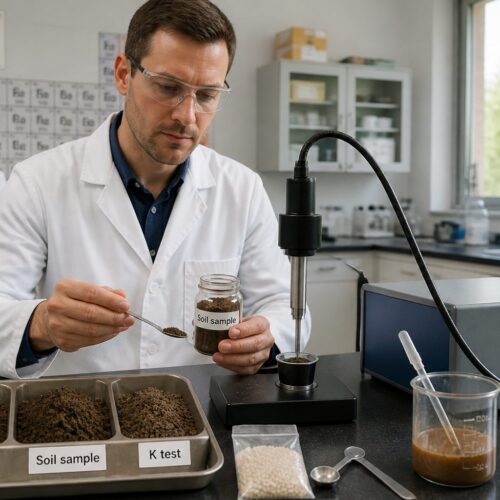
Implementing effective sampling protocols is essential for accurate aggregate stability measurements, ensuring that the data collected truly represents the entire field. Proper sampling techniques can significantly influence the reliability of findings, ultimately impacting management decisions and strategies employed by farmers.
Field sampling should occur at different times throughout the growing season to capture variations in aggregate stability that may arise due to changing environmental conditions. This approach not only helps in identifying trends over time but also enhances the understanding of how various factors, such as moisture and temperature, affect soil health.
It’s crucial to select sampling locations that reflect the variability of soil types within the field, ensuring a comprehensive assessment of aggregate stability. This targeted approach improves the reliability of the data collected and enhances the precision of subsequent analyses, enabling farmers to make more informed decisions regarding their farming practices.
Utilizing a grid or random sampling method can yield valuable insights into soil health, helping to capture the diversity of soil conditions present within a given area. Additionally, documenting the sampling conditions, such as moisture levels and temperature at the time of sampling, adds crucial context to the data collected, facilitating more accurate interpretations of the results.
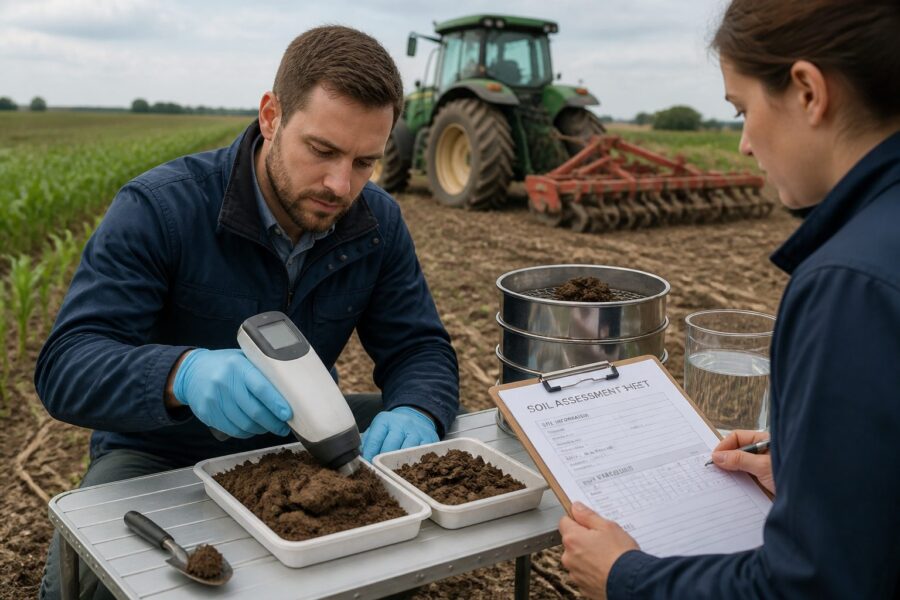
Incorporating spectroscopy during the sampling process allows for real-time analysis of soil conditions, providing immediate feedback that can inform management decisions. This integration enhances the efficiency of soil structure assessment in precision farming, enabling farmers to quickly adapt their practices based on the latest data available.
Interpreting spectral indices provides valuable insights into the risk of aggregate breakdown, offering a means to assess soil health and stability under various environmental conditions. These indices serve as proxies for understanding how different factors influence soil aggregate stability, enabling farmers to proactively address potential issues.
By analyzing spectral data, farmers can identify potential issues that may threaten soil aggregate stability, allowing them to implement timely interventions to maintain soil health. This proactive approach aids in mitigating risks associated with soil degradation, ensuring that agricultural operations remain productive and sustainable.
- Moisture content
- Organic matter levels
- Mineral composition
- Soil texture
- Microbial activity
Understanding these indices allows for more precise management of tillage practices, ensuring that farmers can mitigate risks associated with soil degradation while maintaining optimal growing conditions. This knowledge empowers them to make informed decisions that align with their goals for crop production and environmental stewardship.
As the agricultural landscape continues to evolve, leveraging spectral indices becomes increasingly important in guiding sustainable practices. This information can drive the development of innovative approaches to farming that enhance overall crop productivity while minimizing environmental impact.
Linking aggregate data to tillage depth and frequency decisions is essential for optimizing soil health, ensuring that farmers can make informed choices about their management practices. Understanding how different tillage practices affect aggregate stability enables farmers to balance the need for soil cultivation with the desire to maintain soil integrity.
Shallower tillage often enhances aggregate stability by minimizing disturbance and preserving soil structure, which is critical for maintaining healthy soils. Conversely, deep tillage can lead to aggregate breakdown and increased erosion risk, jeopardizing soil health and agricultural productivity.
By analyzing aggregate stability data, farmers can adjust their tillage practices based on specific field conditions, leading to more tailored and effective soil management strategies. This tailored approach promotes healthier soil, better crop yields, and ultimately contributes to sustainable agricultural practices that benefit both farmers and the environment.
Additionally, the frequency of tillage operations plays a critical role in maintaining aggregate stability, influencing how well soil can retain moisture and nutrients. Reduced tillage practices can significantly improve soil health over time, allowing for enhanced aggregate stability and greater resilience against environmental stresses.
Integrating aggregate data into decision-making processes fosters a more sustainable agricultural system, ensuring that farming practices align with soil health objectives. This approach ultimately leads to long-term benefits for both farmers and the environment, paving the way for a more resilient agricultural future.
Reduced tillage practices have shown promising outcomes when verified through repeated spectral monitoring, providing farmers with the data needed to assess changes in soil health over time. Continuous assessment allows for the evaluation of how these practices impact aggregate stability, erosion risk, and overall soil quality.
Farmers who adopt reduced tillage practices can expect to see enhanced aggregate stability and reduced erosion, both of which are critical for maintaining healthy soils. Spectral monitoring provides the data needed to validate these positive trends, helping to build confidence in the effectiveness of reduced tillage methods.
Regular spectral assessments also help in identifying specific areas that may require further intervention, allowing farmers to target their management efforts more effectively. This ongoing monitoring supports adaptive management strategies tailored to specific field conditions, ensuring that farmers can respond proactively to changing soil health dynamics.
By leveraging spectral data, farmers can effectively track the long-term impacts of reduced tillage on soil health, providing valuable insights into the sustainability of their practices. This knowledge empowers them to make informed decisions that benefit their operations, contributing to greater agricultural resilience.
Ultimately, the integration of spectral monitoring into agricultural practices enhances sustainability, providing a framework for ongoing assessment and improvement. This approach contributes to improved soil health and increased productivity over the long term, benefiting both farmers and the environment.
Combining aggregate stability data with erosion risk models provides a comprehensive view of soil health, enabling farmers to develop more effective management strategies that address both stability and erosion concerns. This integration allows for a holistic understanding of how different agricultural practices affect soil health and productivity.
Understanding the relationship between aggregate stability and erosion risk is essential for sustainable farming, as it highlights the importance of protecting soil while enhancing productivity. This knowledge enables farmers to implement practices that safeguard against erosion while fostering an environment conducive to healthy crop growth.
By utilizing erosion risk models, farmers can predict potential areas of vulnerability within their fields, allowing them to target conservation efforts where they are needed most. This proactive approach helps to preserve soil resources, ensuring that agricultural lands remain productive and viable for future generations.
Combining these data sets allows for a more nuanced understanding of how different agricultural practices impact soil health, offering insights that can inform management decisions. Farmers can then tailor their approaches to mitigate erosion and enhance aggregate stability, fostering a more resilient agricultural system.
This integration fosters a more resilient agricultural system, as it enables farmers to make data-driven decisions that enhance both soil health and crop productivity. Ultimately, it contributes to the long-term sustainability of both the soil and the farming operation, ensuring that agricultural practices can endure amid changing environmental conditions.
Establishing a practical field workflow for tillage decision support is vital for optimizing soil health and ensuring productive agricultural practices. This workflow should incorporate soil aggregate stability assessments, spectral data analysis, and real-time monitoring to provide farmers with the insights needed to make informed decisions.
Farmers can begin by conducting initial soil assessments to establish baseline aggregate stability data, which serves as a foundation for making informed tillage decisions throughout the growing season. This baseline information allows for a clearer understanding of changes in soil health over time, helping to guide management practices effectively.
Utilizing spectral monitoring tools allows for real-time analysis of soil conditions, providing immediate feedback that can inform decisions regarding tillage depth and frequency. This data-driven approach ensures that farming practices align with soil health objectives, promoting sustainable agriculture.
Regularly revisiting and adjusting management practices based on ongoing assessments is crucial for maintaining optimal soil health. This adaptive approach allows farmers to respond to changing field conditions effectively, ensuring that their practices remain relevant and beneficial.
Incorporating technology into the workflow enhances efficiency and effectiveness, enabling farmers to gather valuable insights that support their decision-making processes. Overall, a practical field workflow fosters sustainable agriculture and long-term soil health, ultimately benefiting both farmers and the environment.