

Precision agriculture relies on understanding the intricate relationship between soil composition and plant health. Soil mineralogy soil fertility is a key aspect often overlooked, yet it dictates the availability of essential nutrients for plant growth. This guide explores how analyzing soil mineral composition can lead to more effective and sustainable farming practices.
By understanding the mineral makeup of your soil, you can tailor your fertilization strategies to meet the specific needs of your crops. Optimizing nutrient availability through informed soil management is crucial for maximizing yields and minimizing environmental impact. Let’s investigate the fascinating world of soil mineralogy and its vital role in promoting soil fertility.
We will discuss how different minerals contribute to soil fertility, how mineral weathering releases nutrients, and how mineral amendments can improve soil health. This article also covers how to assess soil mineral composition and presents case studies of successful soil fertility enhancement projects. Get ready to improve your agricultural practices with a deeper understanding of soil mineralogy.
Understanding the Role of Soil Mineralogy in Soil Fertility
Soil mineralogy is the study of the chemical composition, crystal structure, and properties of minerals found in soil. These minerals are the primary source of many essential nutrients that plants need to grow and thrive. The mineral composition of soil directly influences its fertility and its ability to support plant life.
Different minerals release nutrients at varying rates, affecting the long-term availability of these elements. Understanding the mineralogy of your soil allows you to manage nutrient release and ensure a consistent supply for your crops. This knowledge is invaluable for creating a sustainable and productive agricultural system.
The type and quantity of minerals present in soil affect several critical soil properties, including water retention, cation exchange capacity, and pH. These properties, in turn, influence nutrient availability and plant health. Soil mineralogy soil fertility are intertwined, and optimizing one leads to improvements in the other.
For example, soils rich in clay minerals like montmorillonite have a high cation exchange capacity, meaning they can hold onto nutrients like potassium, calcium, and magnesium. This prevents these nutrients from leaching away and makes them available to plants over a longer period. This is just one way that soil mineralogy impacts the overall health and productivity of agricultural land.
Identifying Minerals That Contribute to Soil Fertility
Several key minerals play a significant role in contributing to soil fertility. These minerals release essential nutrients through weathering processes, making them available for plant uptake. Identifying these minerals in your soil is the first step towards optimizing soil fertility.

Feldspars, for example, are a group of minerals that release potassium, an essential nutrient for plant growth and development. Micas, such as biotite and muscovite, also contribute potassium, as well as magnesium and iron. These minerals are common in many soils and gradually release their nutrients over time.
Apatite is another important mineral, as it is the primary source of phosphorus in many soils. Phosphorus is crucial for root development, energy transfer, and overall plant health. The slow release of phosphorus from apatite ensures a long-term supply of this vital nutrient.
Clay minerals, such as montmorillonite, illite, and kaolinite, are important for their role in nutrient retention and cation exchange capacity. These minerals have a high surface area and can hold onto nutrients, preventing them from being leached out of the soil. Understanding the presence and abundance of these minerals can help you manage soil fertility more effectively.
How Mineral Weathering Releases Essential Nutrients
Mineral weathering is the process by which rocks and minerals are broken down into smaller particles and their chemical constituents are released. This process is essential for making nutrients available to plants. Weathering can occur through physical, chemical, and biological means, each contributing to the release of essential elements.
Physical weathering involves the breakdown of minerals into smaller pieces without changing their chemical composition. This increases the surface area available for chemical weathering. Freeze-thaw cycles, abrasion by wind and water, and the actions of plant roots all contribute to physical weathering.
| Weathering Process | Minerals Affected | Nutrients Released |
|---|---|---|
| Hydrolysis | Feldspars, Micas | Potassium, Calcium, Magnesium |
| Oxidation | Iron Sulfides | Iron, Sulfur |
| Dissolution | Apatite, Calcite | Phosphorus, Calcium |
| Chelation | Various Minerals | Micronutrients |
Chemical weathering involves chemical reactions that alter the mineral structure and release nutrients. Hydrolysis, oxidation, dissolution, and chelation are all important chemical weathering processes. These processes are influenced by factors such as pH, temperature, and the presence of water and organic acids.
Using Mineral Amendments to Improve Soil Fertility
Mineral amendments are materials added to the soil to improve its physical, chemical, and biological properties. These amendments can provide essential nutrients, adjust soil pH, and improve water retention. Using mineral amendments strategically can enhance soil fertility and promote plant growth.
Rock phosphate is a common mineral amendment used to increase phosphorus availability in soils. It is a naturally occurring mineral that contains phosphorus in a relatively insoluble form. Over time, rock phosphate slowly releases phosphorus, providing a long-term supply of this essential nutrient.
Lime, which is primarily composed of calcium carbonate, is used to raise the pH of acidic soils. Increasing soil pH can improve the availability of several essential nutrients, such as phosphorus, molybdenum, and calcium. Lime also improves the soil structure, making it easier for plant roots to penetrate and access nutrients.
Greensand is a mineral amendment that contains glauconite, a mineral rich in potassium, iron, and other micronutrients. It is often used in organic farming systems to provide a slow-release source of potassium. Greensand also improves soil structure and water retention, making it a valuable amendment for sandy soils.
Assessing Soil Mineral Composition for Fertility Management
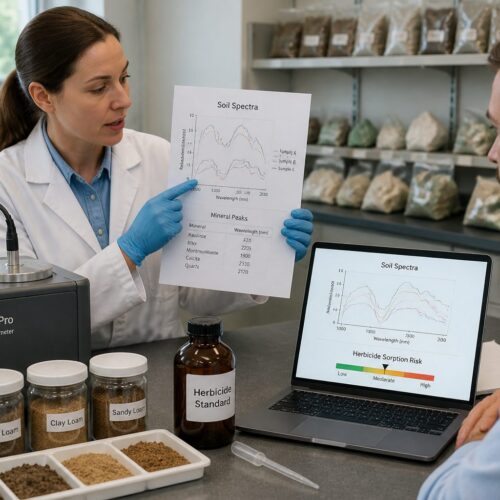
Assessing soil mineral composition is crucial for effective fertility management. Knowing the types and amounts of minerals present in your soil allows you to tailor your fertilization strategies to meet the specific needs of your crops. Several methods are available for assessing soil mineral composition, ranging from simple field tests to sophisticated laboratory analyses.
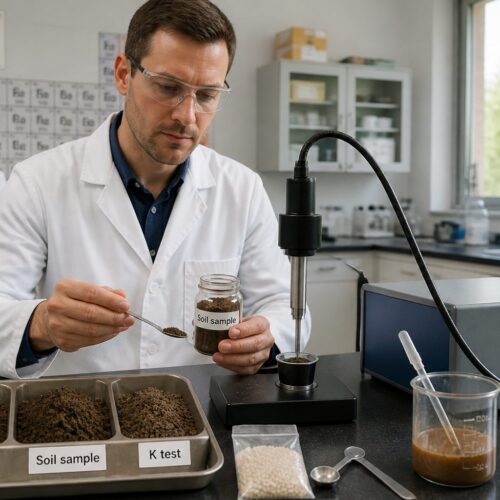
One common method is soil testing, which involves collecting soil samples and sending them to a laboratory for analysis. The laboratory can determine the levels of essential nutrients, such as phosphorus, potassium, and nitrogen, as well as the soil pH and organic matter content. This information can help you identify nutrient deficiencies and develop a fertilization plan.
- X-ray Diffraction (XRD)
- Scanning Electron Microscopy (SEM)
- Energy Dispersive X-ray Spectroscopy (EDS)
- Inductively Coupled Plasma Mass Spectrometry (ICP-MS)
- Optical Microscopy
More advanced techniques, such as X-ray diffraction and scanning electron microscopy, can provide detailed information about the mineral composition of the soil. These techniques can identify the specific minerals present and their relative abundance. This information can be used to understand the long-term nutrient release potential of the soil.
Case Studies: Successful Soil Fertility Enhancement Projects
Numerous successful soil fertility enhancement projects demonstrate the importance of understanding and managing soil mineralogy. These case studies highlight the positive impact of tailored soil management practices on crop yields and environmental sustainability. Let’s examine a few examples to illustrate the benefits.
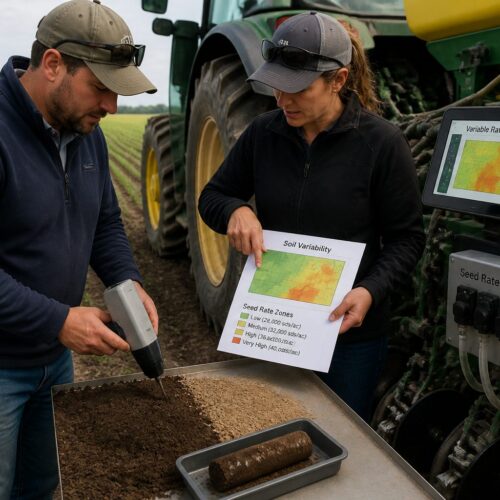
In one project in the Midwestern United States, farmers used precision agriculture techniques to assess the soil mineral composition of their fields. They found that some areas were deficient in phosphorus and potassium. By applying mineral amendments, such as rock phosphate and potash, they were able to correct these deficiencies and increase crop yields by up to 20%.
Another project in Australia focused on improving the fertility of acidic soils using lime. The researchers found that applying lime not only raised the soil pH but also improved the availability of essential nutrients like phosphorus and molybdenum. This led to increased pasture growth and improved livestock productivity.
In a study conducted in China, researchers investigated the use of biochar and mineral amendments to improve soil fertility in degraded agricultural lands. They found that combining biochar with rock phosphate and other mineral amendments significantly increased soil organic matter content, nutrient availability, and crop yields. This approach not only improved soil fertility but also sequestered carbon, contributing to climate change mitigation.
The Impact of Soil Texture on Mineral Nutrient Availability
Soil texture, referring to the proportion of sand, silt, and clay particles, significantly affects mineral nutrient availability. Different textures influence water retention, aeration, and nutrient holding capacity. Understanding how texture interacts with mineralogy is crucial for effective soil management.
Sandy soils, characterized by large particles, have excellent aeration and drainage but poor water and nutrient retention. Nutrients from mineral weathering are easily leached from sandy soils, making it challenging to maintain fertility. Mineral amendments that improve water retention, such as clay or organic matter, are particularly beneficial for sandy soils.
Clay soils, with their small particles, have high water and nutrient retention but can suffer from poor aeration and drainage. The high surface area of clay particles allows them to hold onto nutrients, but this can also make some nutrients less available to plants. Managing clay soils often involves improving drainage and aeration through the addition of organic matter or mineral amendments like gypsum.
Loamy soils, a balanced mix of sand, silt, and clay, generally offer the best of both worlds. They provide good water and nutrient retention, as well as adequate aeration and drainage. Understanding the specific texture of your soil and how it interacts with mineralogy is essential for tailoring your soil management practices.
The Role of Soil Microorganisms in Mineral Weathering
Soil microorganisms, including bacteria, fungi, and archaea, play a crucial role in mineral weathering and nutrient release. These organisms can accelerate weathering processes through various mechanisms. Understanding the role of soil microorganisms can help you promote nutrient availability and improve soil fertility.
Some microorganisms produce organic acids, such as citric acid and oxalic acid, which can dissolve minerals and release nutrients. These acids can also chelate metal ions, making them more available to plants. Microorganisms also contribute to redox reactions, which can alter the oxidation state of minerals and release nutrients.
Mycorrhizal fungi, which form symbiotic relationships with plant roots, can enhance nutrient uptake by increasing the surface area available for nutrient absorption. These fungi can also access nutrients that are otherwise unavailable to plants, such as phosphorus. Promoting the growth of beneficial soil microorganisms can improve nutrient cycling and enhance soil fertility.
Practices such as cover cropping, reduced tillage, and the addition of organic matter can promote the growth and activity of beneficial soil microorganisms. These practices can improve nutrient availability, enhance soil structure, and promote overall soil health. Soil mineralogy soil fertility is significantly influenced by these microscopic allies.
Sustainable Practices for Managing Soil Mineral Resources
Sustainable management of soil mineral resources is essential for ensuring long-term agricultural productivity and environmental health. This involves adopting practices that minimize soil erosion, conserve nutrients, and promote soil health. Implementing sustainable practices can help maintain soil fertility and reduce the need for external inputs.
One key practice is conservation tillage, which involves minimizing soil disturbance during planting and harvesting. Conservation tillage reduces soil erosion, conserves soil moisture, and promotes soil organic matter accumulation. This can improve nutrient cycling and enhance soil fertility over time.
Cover cropping is another important practice for sustainable soil management. Cover crops are planted between cash crops to protect the soil from erosion, suppress weeds, and improve soil fertility. Leguminous cover crops can fix atmospheric nitrogen, reducing the need for synthetic nitrogen fertilizers.
Nutrient management planning is essential for optimizing fertilizer use and minimizing environmental impacts. This involves assessing soil nutrient levels, determining crop nutrient requirements, and applying fertilizers at the right rate and time. Nutrient management planning can help prevent nutrient runoff and leaching, protecting water quality and reducing greenhouse gas emissions.
The Future of Soil Mineralogy in Precision Agriculture
The future of soil mineralogy in precision agriculture is promising, with advancements in technology and data analysis offering new opportunities for optimizing soil fertility. Remote sensing, drone technology, and advanced laboratory techniques are enabling more detailed and accurate assessments of soil mineral composition. These advancements will allow farmers to make more informed decisions about soil management and fertilization.
Hyperspectral imaging, for example, can be used to assess soil mineral composition from a distance, providing valuable information about nutrient deficiencies and soil health. Data analytics and machine learning can be used to analyze large datasets of soil mineralogy data, identifying patterns and predicting nutrient release rates. This information can be used to develop site-specific fertilization plans that maximize crop yields and minimize environmental impacts.
Nanotechnology is also emerging as a promising tool for soil fertility management. Nano-fertilizers can deliver nutrients directly to plant roots, increasing nutrient use efficiency and reducing nutrient losses. Nano-sensors can be used to monitor soil nutrient levels in real-time, providing farmers with immediate feedback on soil conditions.
As technology continues to advance, soil mineralogy will play an increasingly important role in precision agriculture. By combining advanced analytical techniques with sustainable management practices, we can optimize soil fertility, improve crop yields, and protect the environment. Soil mineralogy soil fertility strategies are poised to become even more precise and effective.
Conclusion
Understanding soil mineralogy is essential for managing soil fertility and promoting sustainable agricultural practices. By identifying the minerals present in your soil, understanding how they release nutrients, and using mineral amendments strategically, you can optimize nutrient availability and improve crop yields. Soil mineralogy soil fertility are inextricably linked.
Assessing soil mineral composition, adopting sustainable management practices, and leveraging advancements in technology will be crucial for the future of precision agriculture. By embracing a holistic approach to soil management, we can ensure long-term agricultural productivity and protect our planet’s precious soil resources. Make soil mineralogy a key part of your agricultural strategy.