
Soil mineralogy soil structure plays a vital role in determining the overall health and productivity of agricultural land. The composition of minerals within the soil influences its physical properties, such as its ability to retain water, provide aeration, and support plant roots.
Understanding these relationships is essential for implementing effective soil management strategies that optimize crop yields and promote sustainable agricultural practices. Let’s examine how soil mineralogy affects soil structure and discuss management strategies to improve soil health.
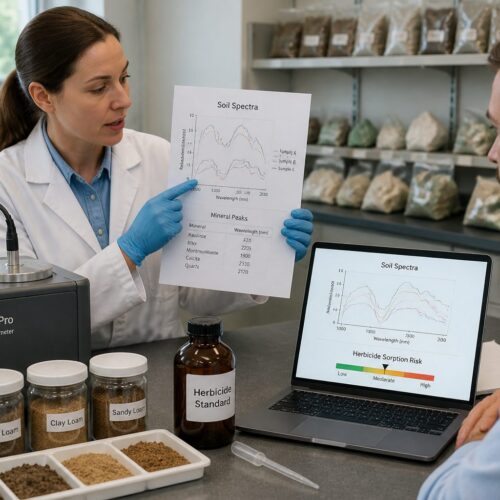
Precision agriculture relies on detailed knowledge of soil properties to tailor management practices to specific areas within a field. Soil spectroscopy, a technique that analyzes the interaction of light with soil samples, can provide valuable information about mineral composition. This data, combined with mineralogical analysis, enables farmers to make informed decisions about nutrient management, irrigation, and tillage, leading to improved soil structure and enhanced crop performance.
Understanding the Relationship Between Soil Mineralogy and Soil Structure
Soil structure refers to the arrangement of soil particles into aggregates, which are clusters of sand, silt, clay, and organic matter held together by various binding agents. These aggregates create pore spaces within the soil, influencing water infiltration, aeration, and root penetration. The mineral composition of the soil significantly affects the formation and stability of these aggregates.
Clay minerals, in particular, play a crucial role in soil structure due to their small size, high surface area, and charged surfaces. These properties allow clay minerals to bind with other soil particles, forming strong and stable aggregates that resist breakdown from water and tillage. The specific type of clay mineral present in the soil, such as smectite, kaolinite, or illite, will influence its effect on soil structure.
For example, smectite clays, known for their swelling and shrinking properties, can create large cracks in the soil when dry, improving aeration but also potentially disrupting root systems. Kaolinite clays, on the other hand, have lower swelling capacity and tend to form more stable aggregates, providing better support for plant growth. The presence of iron and aluminum oxides also contributes to aggregate stability by acting as cementing agents.
The interaction between soil mineralogy soil structure and organic matter is another key factor in determining soil health. Organic matter acts as a binding agent, promoting the formation of stable aggregates and improving soil porosity. Minerals provide the building blocks for these aggregates, while organic matter enhances their strength and resilience.
Identifying Minerals That Promote Aggregate Stability
Certain minerals are particularly effective at promoting aggregate stability, which is the ability of soil aggregates to resist breakdown from disruptive forces like rainfall and tillage. Identifying these minerals in your soil can help you tailor management practices to enhance their beneficial effects. Clay minerals, as previously mentioned, are primary drivers of aggregate stability, but their effectiveness varies depending on their type and properties.
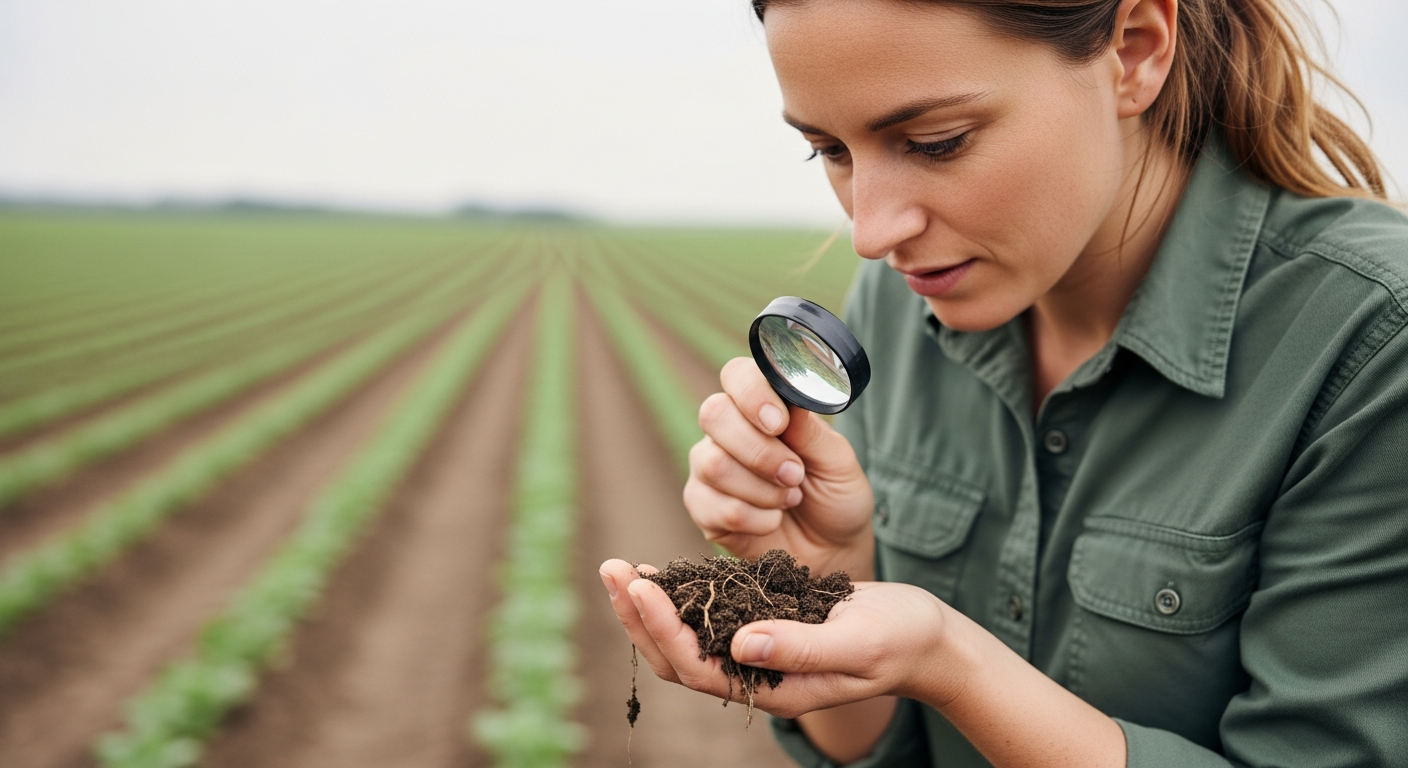
Smectite clays, such as montmorillonite, have a high cation exchange capacity (CEC), meaning they can hold a large number of positively charged ions, like calcium and magnesium. These ions act as bridges between clay particles and organic matter, forming strong aggregates. However, smectite clays are also prone to swelling and shrinking, which can destabilize aggregates over time if not managed properly.
Kaolinite clays, with their lower CEC and non-swelling properties, provide more stable but less reactive aggregates. Illite clays, which have a moderate CEC and limited swelling, offer a good balance between stability and nutrient retention. The presence of iron and aluminum oxides, often found in highly weathered soils, also contributes significantly to aggregate stability.
These oxides act as cementing agents, binding soil particles together and making aggregates more resistant to erosion. Quartz and feldspar, common minerals in sandy soils, have minimal impact on aggregate stability due to their low surface area and lack of charge. Understanding the specific mineral composition of your soil is crucial for selecting appropriate management practices that promote aggregate stability and improve soil structure.
How Mineralogy Affects Soil Pore Space and Water Movement
Soil pore space, the network of voids between soil particles and aggregates, is essential for water infiltration, aeration, and root growth. The mineral composition of the soil directly influences the size, distribution, and connectivity of these pores. Clay minerals, with their small size and high surface area, create a large number of small pores, which retain water effectively but can also limit aeration.
Sandy soils, dominated by larger particles like quartz and feldspar, have fewer but larger pores, allowing for rapid water infiltration and good aeration but limited water retention. The ideal soil structure contains a balance of both small and large pores to provide adequate water retention and aeration for plant growth. Aggregate stability, influenced by mineralogy and organic matter, plays a critical role in maintaining this balance.
| Mineral Type | Pore Size | Water Retention | Aeration |
|---|---|---|---|
| Smectite Clay | Small | High | Low |
| Kaolinite Clay | Medium | Medium | Medium |
| Quartz Sand | Large | Low | High |
| Iron Oxide | Variable | Medium to High | Medium |
Managing Soil Mineral Composition to Improve Soil Structure
While you cannot directly alter the inherent mineral composition of your soil, you can implement management practices that enhance the beneficial effects of existing minerals and mitigate the negative impacts of less desirable ones. One effective strategy is to increase organic matter content through the addition of compost, cover crops, and no-till farming. Organic matter acts as a binding agent, promoting aggregate formation and improving soil structure regardless of the underlying mineralogy.
For soils high in smectite clays, which are prone to compaction and poor aeration, adding organic matter can help create larger pores and improve drainage. In sandy soils with low water retention, organic matter increases the soil’s ability to hold water, making it more available to plants. Another important management practice is to maintain a balanced nutrient supply, particularly calcium and magnesium, which are essential for aggregate stability.
These cations act as bridges between clay particles and organic matter, strengthening aggregates and improving soil structure. Liming acidic soils can increase calcium availability and improve soil pH, creating a more favorable environment for microbial activity and nutrient cycling. Avoiding excessive tillage is also crucial for preserving soil structure, as tillage can break down aggregates and disrupt pore spaces.
No-till or reduced-tillage practices help maintain aggregate stability and improve water infiltration. Cover cropping is another valuable tool for improving soil structure, as the roots of cover crops help bind soil particles together and create channels for water and air movement. Selecting cover crops with different root systems can further enhance soil structure by creating a diverse network of pores.
How Soil Compaction Affects Mineralogy and Soil Structure
Soil compaction, the compression of soil particles due to external pressure, significantly degrades soil structure and can indirectly affect mineralogical processes. Compaction reduces pore space, limiting water infiltration, aeration, and root penetration. This, in turn, can alter the chemical environment within the soil, affecting mineral weathering and nutrient availability.
In compacted soils, the lack of oxygen can promote anaerobic conditions, leading to the reduction of iron and manganese oxides. This can release these elements into the soil solution, potentially affecting nutrient uptake by plants. Compaction also disrupts the natural processes of aggregate formation and stabilization, reducing the soil’s ability to resist erosion and support plant growth.
The impact of compaction is particularly severe in soils with high clay content, as clay particles are easily compressed and tend to form dense, impermeable layers. These layers restrict root growth and limit the movement of water and nutrients, creating unfavorable conditions for plant health. Soil mineralogy soil structure plays a role in determining the susceptibility of soil to compaction.
Soils with a high proportion of unstable minerals, such as smectite clays, are more prone to compaction than soils with more stable minerals like kaolinite. To mitigate the effects of compaction, it is essential to implement practices that reduce external pressure on the soil, such as using lightweight equipment and avoiding tillage when the soil is wet. Subsoiling or deep ripping can also help break up compacted layers and improve soil structure.
Assessing Soil Mineral Composition for Soil Structure Management
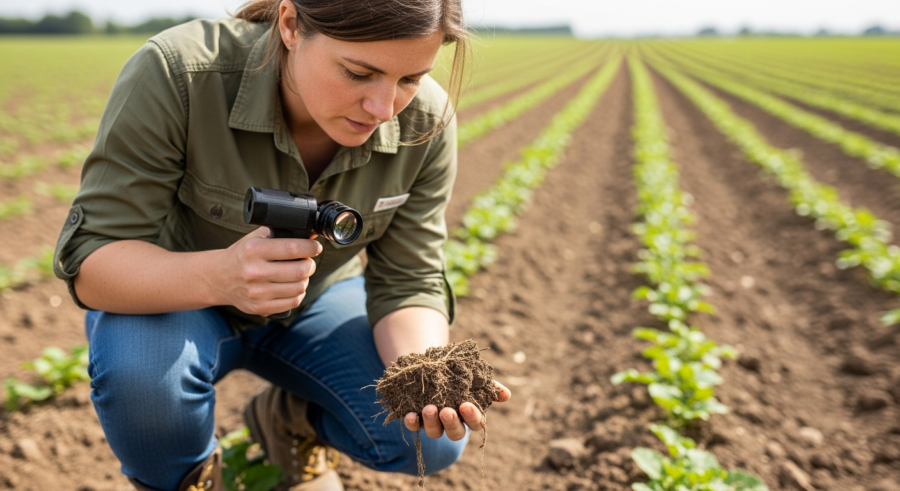
Understanding your soil’s mineral composition is the first step toward developing effective soil structure management strategies. Several methods can be used to assess soil mineralogy, ranging from simple field tests to sophisticated laboratory analyses. Field tests, such as the soil texture test and the ribbon test, can provide a rough estimate of the proportion of sand, silt, and clay in the soil.
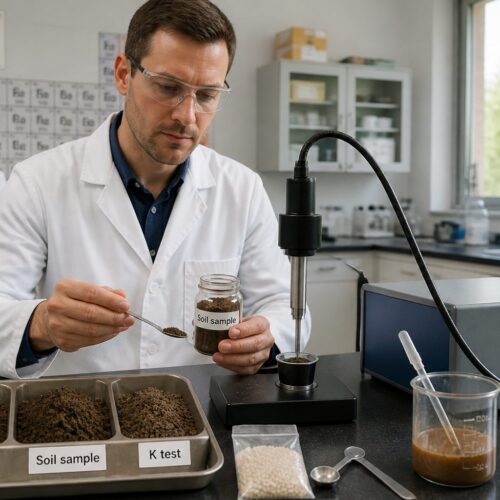
These tests can help you identify potential limitations related to soil texture, such as poor drainage in clay-rich soils or low water retention in sandy soils. Laboratory analyses, such as X-ray diffraction (XRD) and soil spectroscopy, provide more detailed information about the specific types and amounts of minerals present in the soil. XRD is a powerful technique that identifies minerals based on their unique crystal structure.
- Conduct a soil texture test to estimate sand, silt, and clay content
- Use X-ray diffraction for detailed mineral identification
- Employ soil spectroscopy for rapid mineral analysis
- Analyze soil samples for cation exchange capacity (CEC)
- Assess aggregate stability using wet sieving methods
The Role of Soil Spectroscopy in Precision Agriculture
Soil spectroscopy is emerging as a valuable tool in precision agriculture, offering a rapid and cost-effective method for assessing soil properties, including mineral composition. This technique involves measuring the interaction of light with soil samples across a range of wavelengths. The resulting spectra, or patterns of light absorption and reflection, can be used to identify and quantify various soil components, including minerals, organic matter, and moisture content.
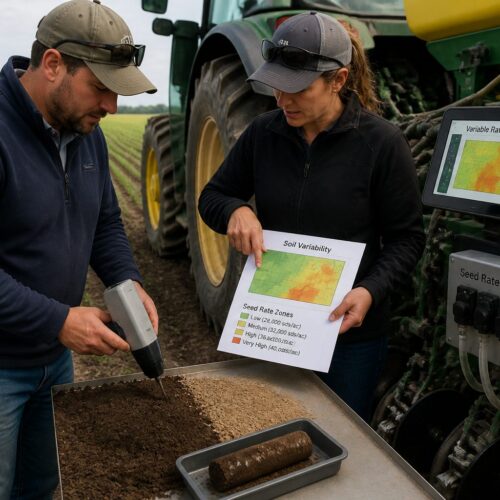
Soil spectroscopy can be performed using portable handheld devices, allowing for on-the-go analysis in the field. This enables farmers to quickly assess soil variability across their fields and make informed decisions about nutrient management, irrigation, and other inputs. Soil spectroscopy can also be used to create detailed soil maps, which can be integrated with GPS technology to guide variable-rate applications of fertilizers and other amendments.
The data obtained from soil spectroscopy can be used to predict soil properties such as clay content, organic matter content, and cation exchange capacity, which are all important indicators of soil health and fertility. By monitoring these properties over time, farmers can track the impact of their management practices and make adjustments as needed to optimize soil structure and crop performance. Soil spectroscopy offers a powerful tool for promoting sustainable agricultural practices and improving resource use efficiency.
It provides valuable insights into the complex relationships between soil mineralogy soil structure and plant growth, enabling farmers to make data-driven decisions that enhance productivity and protect the environment. The integration of soil spectroscopy into precision agriculture workflows is transforming the way farmers manage their land, leading to more sustainable and profitable farming systems.
Case Studies: Successful Soil Structure Improvement Projects
Numerous case studies demonstrate the effectiveness of targeted soil structure management strategies based on soil mineralogy and other soil properties. One example is a project in the Midwestern United States, where farmers implemented no-till farming and cover cropping to improve soil health in fields with high clay content. Soil analysis revealed that the soils were dominated by smectite clays, which were prone to compaction and poor drainage.
By adopting no-till practices, the farmers reduced soil disturbance and promoted the formation of stable aggregates. Cover crops, such as rye and oats, were planted to improve soil structure and increase organic matter content. Over time, the soil’s water infiltration rate increased, and crop yields improved. In another case study from Australia, farmers used gypsum to improve soil structure in sodic soils, which are characterized by high sodium content and poor aggregate stability.
The gypsum, a calcium sulfate mineral, replaced sodium ions on the clay surfaces, promoting aggregate formation and improving water infiltration. Soil analysis showed that the gypsum treatment significantly reduced soil salinity and improved soil structure. As a result, crop yields increased, and the land became more productive. These case studies highlight the importance of tailoring soil management practices to the specific mineralogical and chemical properties of the soil.
By understanding the unique challenges and opportunities presented by different soil types, farmers can implement effective strategies to improve soil structure and enhance crop performance. The integration of soil analysis, precision agriculture technologies, and sustainable management practices is essential for creating healthy and productive agricultural systems.
Conclusion
Soil mineralogy soil structure are intricately linked, with mineral composition influencing aggregate stability, pore space, and water movement. Understanding these relationships is crucial for developing effective soil management strategies that optimize crop yields and promote sustainable agricultural practices. By assessing soil mineral composition and implementing practices that enhance aggregate stability and improve soil structure, farmers can create healthier and more productive agricultural systems.
Soil spectroscopy offers a powerful tool for precision agriculture, enabling rapid and cost-effective assessment of soil properties and guiding data-driven management decisions. The future of sustainable agriculture relies on a deeper understanding of soil processes and the implementation of innovative technologies that protect and enhance soil health.