
Interpreting Spectral Differences Between Fractions
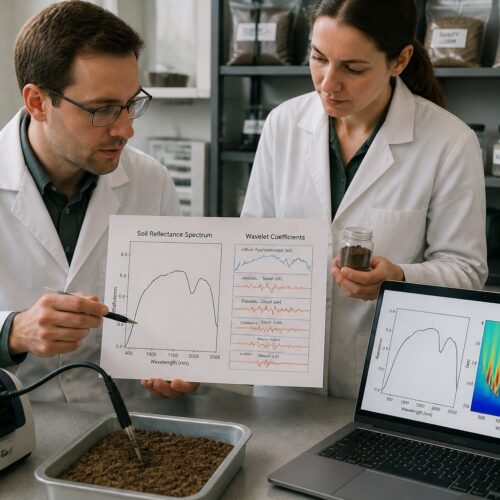
The spectral characteristics of different SOM fractions can vary significantly, reflecting differences in their chemical composition and structure. Labile fractions, which are rich in carbohydrates and proteins, typically exhibit strong IR absorption bands associated with these compounds.
Stable fractions, which are enriched in aromatic compounds and alkyl structures, show different spectral features. These differences can be used to distinguish between SOM fractions and to assess their relative contributions to soil functions.
For example, a higher intensity of IR absorption bands associated with carbohydrates in a fraction indicates a greater contribution to nutrient cycling. A higher intensity of bands associated with aromatic compounds suggests a greater contribution to long-term carbon storage.
Spectral data can also be used to track changes in SOM composition over time or in response to different management practices. This information is valuable for evaluating the effectiveness of soil management strategies.
Analyzing the spectral data requires expertise in interpreting complex spectra. Reference libraries and chemometric techniques can aid in the identification of specific compounds.
Differences in spectral signatures can indicate the source of the organic matter. For instance, plant-derived SOM will have different characteristics than microbial-derived SOM.
The degree of decomposition can also be inferred from spectral data. More decomposed SOM will have a different spectral signature than less decomposed SOM.
Spectral analysis can be used to assess the impact of tillage on SOM composition. Tillage can alter the distribution of SOM fractions and their spectral characteristics.
The interpretation of spectral data is often complex and requires specialized software. Chemometric techniques can help to extract meaningful information from the data.
Reference libraries of spectral data are essential for identifying specific compounds. These libraries allow for the comparison of unknown spectra to known standards.
Ultimately, the interpretation of spectral differences is crucial for understanding SOM dynamics. This knowledge can be used to improve soil management practices.
Linking SOM Fractions to Soil Function
Different SOM fractions play distinct roles in soil function. Labile fractions, such as particulate organic matter (POM), are readily decomposed by microorganisms, releasing nutrients that support plant growth.
Stable fractions, such as humin, contribute to soil structure, water retention, and long-term carbon sequestration. Understanding the relationship between SOM fractions and soil function is crucial for developing sustainable agricultural practices that enhance soil health and productivity.
- Nutrient cycling and availability
- Soil structure and aggregation
- Water retention and infiltration
- Carbon sequestration and climate regulation
- Microbial activity and diversity
By managing SOM fractions, farmers can improve soil fertility and resilience. Practices that promote the accumulation of both labile and stable SOM fractions are essential for sustainable agriculture.
Labile fractions are important for providing readily available nutrients to plants. These fractions are quickly decomposed by microorganisms, releasing nitrogen, phosphorus, and other essential nutrients.
Stable fractions contribute to soil structure by binding soil particles together. This improves water infiltration and reduces erosion.
SOM also plays a crucial role in carbon sequestration. By storing carbon in the soil, SOM helps to mitigate climate change.
The relationship between SOM fractions and soil function is complex. It is influenced by a variety of factors, including climate, soil type, and management practices.
Understanding this relationship is essential for developing sustainable agricultural practices. These practices can enhance soil health and productivity while also protecting the environment.
Ultimately, managing SOM fractions is key to sustainable agriculture. This requires a holistic approach that considers the complex interactions between SOM, soil, and plants.
The Importance of SOM Fractionation in Precision Agriculture
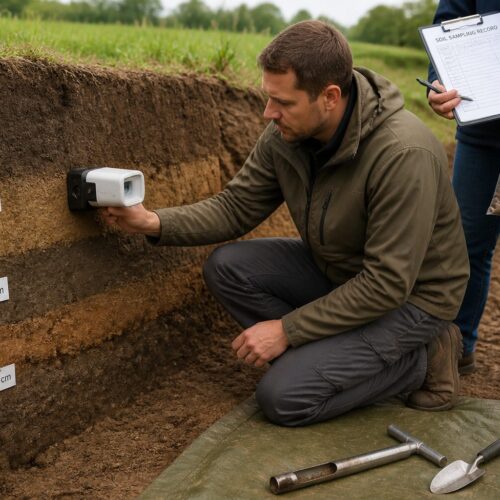
Precision agriculture relies on site-specific management practices to optimize crop production and minimize environmental impacts. Soil organic matter fractionation spectroscopy can play a vital role in precision agriculture by providing detailed information about SOM composition and its spatial variability within a field.
This information can be used to tailor management practices, such as fertilizer application and tillage, to meet the specific needs of different areas within the field. By optimizing SOM management at the site-specific level, farmers can improve crop yields, reduce input costs, and enhance soil health.
For example, areas with low levels of labile SOM fractions may benefit from increased organic matter inputs, such as compost or cover crops, to enhance nutrient availability. Areas with high levels of stable SOM fractions may require less intensive tillage to preserve soil structure and carbon sequestration.
The spectral data obtained from SOM fractionation can be integrated with other precision agriculture technologies, such as remote sensing and GPS, to create detailed maps of soil properties and crop performance. These maps can then be used to guide variable-rate application of inputs and other management practices.
Precision agriculture aims to use resources efficiently. SOM fractionation spectroscopy provides the data needed to fine-tune agricultural practices.
By understanding the spatial variability of SOM fractions, farmers can make more informed decisions. This leads to more efficient use of resources and improved crop yields.
SOM fractionation can also help to identify areas within a field that are particularly vulnerable to erosion. This allows farmers to implement targeted conservation practices to protect these areas.
The integration of SOM fractionation with other precision agriculture technologies is crucial. This allows for a more holistic approach to soil management.
Ultimately, SOM fractionation is a valuable tool for precision agriculture. It helps farmers to optimize crop production while also protecting the environment.
Precision agriculture is the future of farming. SOM fractionation will play an increasingly important role in this future.
Applications in Soil Health Assessment
Soil health is a critical factor in sustainable agriculture. SOM fractionation spectroscopy offers a comprehensive approach to assessing soil health by providing insights into the different components of SOM and their contributions to soil function.
By monitoring changes in SOM fractions over time, farmers can evaluate the impact of different management practices on soil health and adjust their strategies accordingly. This approach allows for a more proactive and adaptive approach to soil management.
For instance, an increase in the proportion of labile SOM fractions may indicate improved nutrient cycling and microbial activity. A decrease in the proportion of stable SOM fractions may signal a loss of soil structure and carbon sequestration potential.
Soil health assessments based on SOM fractionation can also be used to compare the health of different soils or to track the recovery of degraded soils. This information is valuable for land management planning and conservation efforts.
Regular soil health assessments guide better decision-making. This leads to more sustainable and productive agricultural systems.
SOM fractionation provides a more detailed picture of soil health than traditional methods. This allows for a more accurate assessment of soil quality.
By monitoring SOM fractions over time, farmers can track the impact of their management practices. This helps them to make informed decisions about how to improve soil health.
Soil health assessments can also be used to identify soils that are in need of remediation. This allows for targeted conservation efforts to restore degraded soils.
The information gained from soil health assessments can be used to develop sustainable land management plans. These plans can help to protect soil resources and ensure long-term productivity.
Ultimately, soil health assessment is essential for sustainable agriculture. SOM fractionation provides a valuable tool for assessing and managing soil health.
Healthy soils are the foundation of a healthy planet. SOM fractionation helps us to understand and protect this valuable resource.
Challenges and Future Directions
While soil organic matter fractionation spectroscopy offers many advantages, some challenges need to be addressed to fully realize its potential. One challenge is the complexity of SOM and the difficulty in isolating and characterizing all of its components.
Another challenge is the lack of standardization in fractionation methods, which can make it difficult to compare results across different studies. Future research should focus on developing more robust and standardized fractionation methods, as well as on improving the interpretation of spectral data.
Advances in spectroscopic techniques, such as hyperspectral imaging and high-resolution mass spectrometry, may provide new opportunities for characterizing SOM composition. The integration of SOM fractionation spectroscopy with other soil analysis techniques, such as metagenomics and proteomics, can provide a more holistic understanding of soil processes.
There’s also a need for more research on the relationship between SOM fractions and specific soil functions, such as nutrient cycling and carbon sequestration. This knowledge will enable more targeted and effective soil management strategies.
Standardizing methods will help researchers collaborate more effectively. This will accelerate the development of best practices for soil management.
The cost of spectroscopic analysis can be a barrier for some researchers. Developing more affordable techniques would make this technology more accessible.
There is a need for more training in the interpretation of spectral data. This would enable more researchers to effectively use this technology.
Future research should focus on developing more rapid and high-throughput methods. This would allow for the analysis of larger numbers of samples.
The integration of SOM fractionation with other data sources is crucial. This would allow for a more comprehensive understanding of soil processes.
Ultimately, addressing these challenges will help to unlock the full potential of SOM fractionation spectroscopy. This will lead to more sustainable and productive agricultural systems.
Continued research and development are essential for advancing this technology. This will help us to better understand and manage our soil resources.
Conclusion
Soil organic matter fractionation spectroscopy is a valuable tool for understanding the complex composition of SOM and its impact on soil health and function. By separating SOM into distinct fractions and analyzing their spectral characteristics, we can gain detailed insights into their chemical composition, stability, and potential contributions to nutrient cycling and carbon sequestration.
This information can be used to tailor management practices in precision agriculture, optimize soil health, and improve crop productivity. While challenges remain, ongoing research and technological advancements promise to further enhance the capabilities of soil organic matter fractionation spectroscopy and its applications in sustainable agriculture.
Common Fractionation Techniques
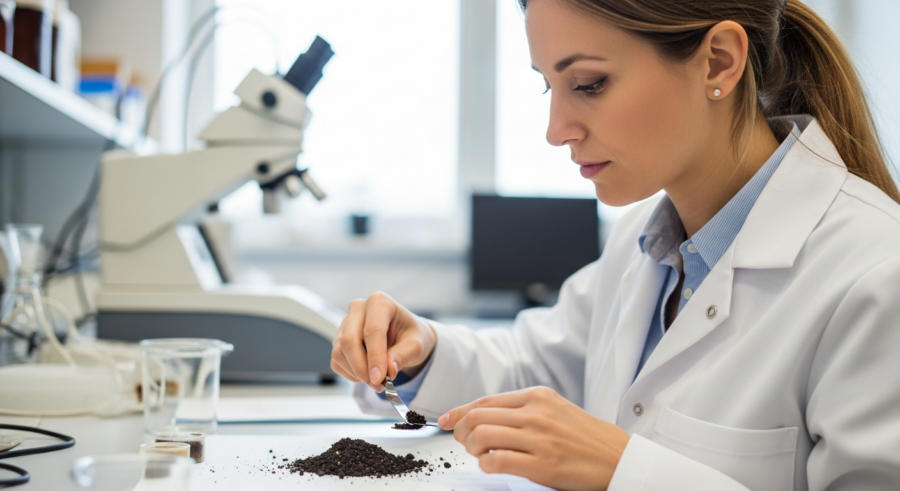
Several techniques are commonly used to separate SOM fractions. These include density fractionation, particle-size fractionation, and sequential extraction.
Each technique isolates different components of SOM based on their physical and chemical characteristics. These methods provide complementary information about the composition and dynamics of SOM.
| Fractionation Technique | Principle | SOM Fractions Isolated |
|---|---|---|
| Density Fractionation | Separation based on density using heavy liquids | Light fraction (particulate organic matter), heavy fraction (mineral-associated organic matter) |
| Particle-Size Fractionation | Separation based on particle size using sieving or sedimentation | Coarse particulate organic matter, fine particulate organic matter, silt- and clay-associated organic matter |
| Sequential Extraction | Sequential extraction with different solvents to isolate specific compounds | Fulvic acids, humic acids, humin |
| Oxidation methods | Selective oxidation to isolate more recalcitrant carbon | Chemically resistant carbon |
Density fractionation is useful for separating particulate organic matter from mineral-associated organic matter. This separation is important because these fractions have different turnover rates and contribute differently to soil functions.
Particle-size fractionation separates SOM based on the size of the particles to which it is associated. This technique provides information about the physical protection of SOM and its accessibility to microorganisms.
Sequential extraction uses a series of solvents to selectively dissolve different SOM components. This technique provides detailed information about the chemical composition of SOM and the types of compounds present.
Oxidation methods can be used to isolate the most recalcitrant forms of carbon. This helps in understanding the long-term carbon storage potential of soils.
Each of these techniques has its strengths and weaknesses. Researchers must carefully select the appropriate technique based on their research question.
The combination of these techniques provides a comprehensive understanding of SOM. This knowledge is essential for managing soil resources sustainably.
Spectroscopic Analysis of Different SOM Fractions
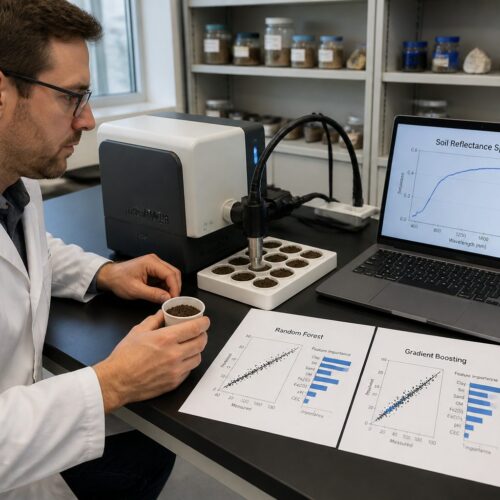
Spectroscopy is a powerful tool for characterizing the chemical composition of SOM fractions. It involves measuring the interaction of electromagnetic radiation with matter to obtain information about its molecular structure and bonding.
Different spectroscopic techniques, such as infrared (IR) spectroscopy, nuclear magnetic resonance (NMR) spectroscopy, and ultraviolet-visible (UV-Vis) spectroscopy, provide complementary information about SOM composition. These techniques are essential for understanding the chemical nature of SOM fractions.
IR spectroscopy is sensitive to the vibrational modes of molecules, providing information about the functional groups present in SOM. NMR spectroscopy provides detailed information about the types of carbon and hydrogen atoms present in SOM molecules.
UV-Vis spectroscopy measures the absorption of light by SOM, providing information about the presence of chromophoric (color-bearing) compounds. By combining data from these different spectroscopic techniques, a comprehensive picture of SOM composition can be obtained.
Spectroscopic analysis offers a non-destructive way to assess SOM. The data obtained can be used to infer the origin and fate of organic matter in soil.
IR spectroscopy is particularly useful for identifying functional groups like carboxyl, hydroxyl, and amine groups. These groups play important roles in SOM reactivity and nutrient cycling.
NMR spectroscopy can distinguish between different types of carbon, such as aliphatic, aromatic, and carbohydrate carbons. This provides information about the degree of decomposition and the source of SOM.
UV-Vis spectroscopy can be used to assess the humification index of SOM. This index reflects the degree of aromaticity and condensation of SOM molecules.
The combination of these spectroscopic techniques provides a powerful tool for characterizing SOM. This allows for a more detailed understanding of its composition and dynamics.
Spectroscopic data can be used to track changes in SOM composition over time. This is valuable for assessing the impact of different management practices.
Ultimately, spectroscopic analysis is an essential tool for SOM research. It provides valuable insights into the nature and function of this important soil component.
Interpreting Spectral Differences Between Fractions
The spectral characteristics of different SOM fractions can vary significantly, reflecting differences in their chemical composition and structure. Labile fractions, which are rich in carbohydrates and proteins, typically exhibit strong IR absorption bands associated with these compounds.
Stable fractions, which are enriched in aromatic compounds and alkyl structures, show different spectral features. These differences can be used to distinguish between SOM fractions and to assess their relative contributions to soil functions.
For example, a higher intensity of IR absorption bands associated with carbohydrates in a fraction indicates a greater contribution to nutrient cycling. A higher intensity of bands associated with aromatic compounds suggests a greater contribution to long-term carbon storage.
Spectral data can also be used to track changes in SOM composition over time or in response to different management practices. This information is valuable for evaluating the effectiveness of soil management strategies.
Analyzing the spectral data requires expertise in interpreting complex spectra. Reference libraries and chemometric techniques can aid in the identification of specific compounds.
Differences in spectral signatures can indicate the source of the organic matter. For instance, plant-derived SOM will have different characteristics than microbial-derived SOM.
The degree of decomposition can also be inferred from spectral data. More decomposed SOM will have a different spectral signature than less decomposed SOM.
Spectral analysis can be used to assess the impact of tillage on SOM composition. Tillage can alter the distribution of SOM fractions and their spectral characteristics.
The interpretation of spectral data is often complex and requires specialized software. Chemometric techniques can help to extract meaningful information from the data.
Reference libraries of spectral data are essential for identifying specific compounds. These libraries allow for the comparison of unknown spectra to known standards.
Ultimately, the interpretation of spectral differences is crucial for understanding SOM dynamics. This knowledge can be used to improve soil management practices.
Linking SOM Fractions to Soil Function
Different SOM fractions play distinct roles in soil function. Labile fractions, such as particulate organic matter (POM), are readily decomposed by microorganisms, releasing nutrients that support plant growth.
Stable fractions, such as humin, contribute to soil structure, water retention, and long-term carbon sequestration. Understanding the relationship between SOM fractions and soil function is crucial for developing sustainable agricultural practices that enhance soil health and productivity.
- Nutrient cycling and availability
- Soil structure and aggregation
- Water retention and infiltration
- Carbon sequestration and climate regulation
- Microbial activity and diversity
By managing SOM fractions, farmers can improve soil fertility and resilience. Practices that promote the accumulation of both labile and stable SOM fractions are essential for sustainable agriculture.
Labile fractions are important for providing readily available nutrients to plants. These fractions are quickly decomposed by microorganisms, releasing nitrogen, phosphorus, and other essential nutrients.
Stable fractions contribute to soil structure by binding soil particles together. This improves water infiltration and reduces erosion.
SOM also plays a crucial role in carbon sequestration. By storing carbon in the soil, SOM helps to mitigate climate change.
The relationship between SOM fractions and soil function is complex. It is influenced by a variety of factors, including climate, soil type, and management practices.
Understanding this relationship is essential for developing sustainable agricultural practices. These practices can enhance soil health and productivity while also protecting the environment.
Ultimately, managing SOM fractions is key to sustainable agriculture. This requires a holistic approach that considers the complex interactions between SOM, soil, and plants.
The Importance of SOM Fractionation in Precision Agriculture
Precision agriculture relies on site-specific management practices to optimize crop production and minimize environmental impacts. Soil organic matter fractionation spectroscopy can play a vital role in precision agriculture by providing detailed information about SOM composition and its spatial variability within a field.
This information can be used to tailor management practices, such as fertilizer application and tillage, to meet the specific needs of different areas within the field. By optimizing SOM management at the site-specific level, farmers can improve crop yields, reduce input costs, and enhance soil health.
For example, areas with low levels of labile SOM fractions may benefit from increased organic matter inputs, such as compost or cover crops, to enhance nutrient availability. Areas with high levels of stable SOM fractions may require less intensive tillage to preserve soil structure and carbon sequestration.
The spectral data obtained from SOM fractionation can be integrated with other precision agriculture technologies, such as remote sensing and GPS, to create detailed maps of soil properties and crop performance. These maps can then be used to guide variable-rate application of inputs and other management practices.
Precision agriculture aims to use resources efficiently. SOM fractionation spectroscopy provides the data needed to fine-tune agricultural practices.
By understanding the spatial variability of SOM fractions, farmers can make more informed decisions. This leads to more efficient use of resources and improved crop yields.
SOM fractionation can also help to identify areas within a field that are particularly vulnerable to erosion. This allows farmers to implement targeted conservation practices to protect these areas.
The integration of SOM fractionation with other precision agriculture technologies is crucial. This allows for a more holistic approach to soil management.
Ultimately, SOM fractionation is a valuable tool for precision agriculture. It helps farmers to optimize crop production while also protecting the environment.
Precision agriculture is the future of farming. SOM fractionation will play an increasingly important role in this future.
Applications in Soil Health Assessment
Soil health is a critical factor in sustainable agriculture. SOM fractionation spectroscopy offers a comprehensive approach to assessing soil health by providing insights into the different components of SOM and their contributions to soil function.
By monitoring changes in SOM fractions over time, farmers can evaluate the impact of different management practices on soil health and adjust their strategies accordingly. This approach allows for a more proactive and adaptive approach to soil management.
For instance, an increase in the proportion of labile SOM fractions may indicate improved nutrient cycling and microbial activity. A decrease in the proportion of stable SOM fractions may signal a loss of soil structure and carbon sequestration potential.
Soil health assessments based on SOM fractionation can also be used to compare the health of different soils or to track the recovery of degraded soils. This information is valuable for land management planning and conservation efforts.
Regular soil health assessments guide better decision-making. This leads to more sustainable and productive agricultural systems.
SOM fractionation provides a more detailed picture of soil health than traditional methods. This allows for a more accurate assessment of soil quality.
By monitoring SOM fractions over time, farmers can track the impact of their management practices. This helps them to make informed decisions about how to improve soil health.
Soil health assessments can also be used to identify soils that are in need of remediation. This allows for targeted conservation efforts to restore degraded soils.
The information gained from soil health assessments can be used to develop sustainable land management plans. These plans can help to protect soil resources and ensure long-term productivity.
Ultimately, soil health assessment is essential for sustainable agriculture. SOM fractionation provides a valuable tool for assessing and managing soil health.
Healthy soils are the foundation of a healthy planet. SOM fractionation helps us to understand and protect this valuable resource.
Challenges and Future Directions
While soil organic matter fractionation spectroscopy offers many advantages, some challenges need to be addressed to fully realize its potential. One challenge is the complexity of SOM and the difficulty in isolating and characterizing all of its components.
Another challenge is the lack of standardization in fractionation methods, which can make it difficult to compare results across different studies. Future research should focus on developing more robust and standardized fractionation methods, as well as on improving the interpretation of spectral data.
Advances in spectroscopic techniques, such as hyperspectral imaging and high-resolution mass spectrometry, may provide new opportunities for characterizing SOM composition. The integration of SOM fractionation spectroscopy with other soil analysis techniques, such as metagenomics and proteomics, can provide a more holistic understanding of soil processes.
There’s also a need for more research on the relationship between SOM fractions and specific soil functions, such as nutrient cycling and carbon sequestration. This knowledge will enable more targeted and effective soil management strategies.
Standardizing methods will help researchers collaborate more effectively. This will accelerate the development of best practices for soil management.
The cost of spectroscopic analysis can be a barrier for some researchers. Developing more affordable techniques would make this technology more accessible.
There is a need for more training in the interpretation of spectral data. This would enable more researchers to effectively use this technology.
Future research should focus on developing more rapid and high-throughput methods. This would allow for the analysis of larger numbers of samples.
The integration of SOM fractionation with other data sources is crucial. This would allow for a more comprehensive understanding of soil processes.
Ultimately, addressing these challenges will help to unlock the full potential of SOM fractionation spectroscopy. This will lead to more sustainable and productive agricultural systems.
Continued research and development are essential for advancing this technology. This will help us to better understand and manage our soil resources.
Conclusion
Soil organic matter fractionation spectroscopy is a valuable tool for understanding the complex composition of SOM and its impact on soil health and function. By separating SOM into distinct fractions and analyzing their spectral characteristics, we can gain detailed insights into their chemical composition, stability, and potential contributions to nutrient cycling and carbon sequestration.
This information can be used to tailor management practices in precision agriculture, optimize soil health, and improve crop productivity. While challenges remain, ongoing research and technological advancements promise to further enhance the capabilities of soil organic matter fractionation spectroscopy and its applications in sustainable agriculture.
Common Fractionation Techniques
Several techniques are commonly used to separate SOM fractions. These include density fractionation, particle-size fractionation, and sequential extraction.
Each technique isolates different components of SOM based on their physical and chemical characteristics. These methods provide complementary information about the composition and dynamics of SOM.
| Fractionation Technique | Principle | SOM Fractions Isolated |
|---|---|---|
| Density Fractionation | Separation based on density using heavy liquids | Light fraction (particulate organic matter), heavy fraction (mineral-associated organic matter) |
| Particle-Size Fractionation | Separation based on particle size using sieving or sedimentation | Coarse particulate organic matter, fine particulate organic matter, silt- and clay-associated organic matter |
| Sequential Extraction | Sequential extraction with different solvents to isolate specific compounds | Fulvic acids, humic acids, humin |
| Oxidation methods | Selective oxidation to isolate more recalcitrant carbon | Chemically resistant carbon |
Density fractionation is useful for separating particulate organic matter from mineral-associated organic matter. This separation is important because these fractions have different turnover rates and contribute differently to soil functions.
Particle-size fractionation separates SOM based on the size of the particles to which it is associated. This technique provides information about the physical protection of SOM and its accessibility to microorganisms.
Sequential extraction uses a series of solvents to selectively dissolve different SOM components. This technique provides detailed information about the chemical composition of SOM and the types of compounds present.
Oxidation methods can be used to isolate the most recalcitrant forms of carbon. This helps in understanding the long-term carbon storage potential of soils.
Each of these techniques has its strengths and weaknesses. Researchers must carefully select the appropriate technique based on their research question.
The combination of these techniques provides a comprehensive understanding of SOM. This knowledge is essential for managing soil resources sustainably.
Spectroscopic Analysis of Different SOM Fractions
Spectroscopy is a powerful tool for characterizing the chemical composition of SOM fractions. It involves measuring the interaction of electromagnetic radiation with matter to obtain information about its molecular structure and bonding.
Different spectroscopic techniques, such as infrared (IR) spectroscopy, nuclear magnetic resonance (NMR) spectroscopy, and ultraviolet-visible (UV-Vis) spectroscopy, provide complementary information about SOM composition. These techniques are essential for understanding the chemical nature of SOM fractions.
IR spectroscopy is sensitive to the vibrational modes of molecules, providing information about the functional groups present in SOM. NMR spectroscopy provides detailed information about the types of carbon and hydrogen atoms present in SOM molecules.
UV-Vis spectroscopy measures the absorption of light by SOM, providing information about the presence of chromophoric (color-bearing) compounds. By combining data from these different spectroscopic techniques, a comprehensive picture of SOM composition can be obtained.
Spectroscopic analysis offers a non-destructive way to assess SOM. The data obtained can be used to infer the origin and fate of organic matter in soil.
IR spectroscopy is particularly useful for identifying functional groups like carboxyl, hydroxyl, and amine groups. These groups play important roles in SOM reactivity and nutrient cycling.
NMR spectroscopy can distinguish between different types of carbon, such as aliphatic, aromatic, and carbohydrate carbons. This provides information about the degree of decomposition and the source of SOM.
UV-Vis spectroscopy can be used to assess the humification index of SOM. This index reflects the degree of aromaticity and condensation of SOM molecules.
The combination of these spectroscopic techniques provides a powerful tool for characterizing SOM. This allows for a more detailed understanding of its composition and dynamics.
Spectroscopic data can be used to track changes in SOM composition over time. This is valuable for assessing the impact of different management practices.
Ultimately, spectroscopic analysis is an essential tool for SOM research. It provides valuable insights into the nature and function of this important soil component.
Interpreting Spectral Differences Between Fractions
The spectral characteristics of different SOM fractions can vary significantly, reflecting differences in their chemical composition and structure. Labile fractions, which are rich in carbohydrates and proteins, typically exhibit strong IR absorption bands associated with these compounds.
Stable fractions, which are enriched in aromatic compounds and alkyl structures, show different spectral features. These differences can be used to distinguish between SOM fractions and to assess their relative contributions to soil functions.
For example, a higher intensity of IR absorption bands associated with carbohydrates in a fraction indicates a greater contribution to nutrient cycling. A higher intensity of bands associated with aromatic compounds suggests a greater contribution to long-term carbon storage.
Spectral data can also be used to track changes in SOM composition over time or in response to different management practices. This information is valuable for evaluating the effectiveness of soil management strategies.
Analyzing the spectral data requires expertise in interpreting complex spectra. Reference libraries and chemometric techniques can aid in the identification of specific compounds.
Differences in spectral signatures can indicate the source of the organic matter. For instance, plant-derived SOM will have different characteristics than microbial-derived SOM.
The degree of decomposition can also be inferred from spectral data. More decomposed SOM will have a different spectral signature than less decomposed SOM.
Spectral analysis can be used to assess the impact of tillage on SOM composition. Tillage can alter the distribution of SOM fractions and their spectral characteristics.
The interpretation of spectral data is often complex and requires specialized software. Chemometric techniques can help to extract meaningful information from the data.
Reference libraries of spectral data are essential for identifying specific compounds. These libraries allow for the comparison of unknown spectra to known standards.
Ultimately, the interpretation of spectral differences is crucial for understanding SOM dynamics. This knowledge can be used to improve soil management practices.
Linking SOM Fractions to Soil Function
Different SOM fractions play distinct roles in soil function. Labile fractions, such as particulate organic matter (POM), are readily decomposed by microorganisms, releasing nutrients that support plant growth.
Stable fractions, such as humin, contribute to soil structure, water retention, and long-term carbon sequestration. Understanding the relationship between SOM fractions and soil function is crucial for developing sustainable agricultural practices that enhance soil health and productivity.
- Nutrient cycling and availability
- Soil structure and aggregation
- Water retention and infiltration
- Carbon sequestration and climate regulation
- Microbial activity and diversity
By managing SOM fractions, farmers can improve soil fertility and resilience. Practices that promote the accumulation of both labile and stable SOM fractions are essential for sustainable agriculture.
Labile fractions are important for providing readily available nutrients to plants. These fractions are quickly decomposed by microorganisms, releasing nitrogen, phosphorus, and other essential nutrients.
Stable fractions contribute to soil structure by binding soil particles together. This improves water infiltration and reduces erosion.
SOM also plays a crucial role in carbon sequestration. By storing carbon in the soil, SOM helps to mitigate climate change.
The relationship between SOM fractions and soil function is complex. It is influenced by a variety of factors, including climate, soil type, and management practices.
Understanding this relationship is essential for developing sustainable agricultural practices. These practices can enhance soil health and productivity while also protecting the environment.
Ultimately, managing SOM fractions is key to sustainable agriculture. This requires a holistic approach that considers the complex interactions between SOM, soil, and plants.
The Importance of SOM Fractionation in Precision Agriculture
Precision agriculture relies on site-specific management practices to optimize crop production and minimize environmental impacts. Soil organic matter fractionation spectroscopy can play a vital role in precision agriculture by providing detailed information about SOM composition and its spatial variability within a field.
This information can be used to tailor management practices, such as fertilizer application and tillage, to meet the specific needs of different areas within the field. By optimizing SOM management at the site-specific level, farmers can improve crop yields, reduce input costs, and enhance soil health.
For example, areas with low levels of labile SOM fractions may benefit from increased organic matter inputs, such as compost or cover crops, to enhance nutrient availability. Areas with high levels of stable SOM fractions may require less intensive tillage to preserve soil structure and carbon sequestration.
The spectral data obtained from SOM fractionation can be integrated with other precision agriculture technologies, such as remote sensing and GPS, to create detailed maps of soil properties and crop performance. These maps can then be used to guide variable-rate application of inputs and other management practices.
Precision agriculture aims to use resources efficiently. SOM fractionation spectroscopy provides the data needed to fine-tune agricultural practices.
By understanding the spatial variability of SOM fractions, farmers can make more informed decisions. This leads to more efficient use of resources and improved crop yields.
SOM fractionation can also help to identify areas within a field that are particularly vulnerable to erosion. This allows farmers to implement targeted conservation practices to protect these areas.
The integration of SOM fractionation with other precision agriculture technologies is crucial. This allows for a more holistic approach to soil management.
Ultimately, SOM fractionation is a valuable tool for precision agriculture. It helps farmers to optimize crop production while also protecting the environment.
Precision agriculture is the future of farming. SOM fractionation will play an increasingly important role in this future.
Applications in Soil Health Assessment
Soil health is a critical factor in sustainable agriculture. SOM fractionation spectroscopy offers a comprehensive approach to assessing soil health by providing insights into the different components of SOM and their contributions to soil function.
By monitoring changes in SOM fractions over time, farmers can evaluate the impact of different management practices on soil health and adjust their strategies accordingly. This approach allows for a more proactive and adaptive approach to soil management.
For instance, an increase in the proportion of labile SOM fractions may indicate improved nutrient cycling and microbial activity. A decrease in the proportion of stable SOM fractions may signal a loss of soil structure and carbon sequestration potential.
Soil health assessments based on SOM fractionation can also be used to compare the health of different soils or to track the recovery of degraded soils. This information is valuable for land management planning and conservation efforts.
Regular soil health assessments guide better decision-making. This leads to more sustainable and productive agricultural systems.
SOM fractionation provides a more detailed picture of soil health than traditional methods. This allows for a more accurate assessment of soil quality.
By monitoring SOM fractions over time, farmers can track the impact of their management practices. This helps them to make informed decisions about how to improve soil health.
Soil health assessments can also be used to identify soils that are in need of remediation. This allows for targeted conservation efforts to restore degraded soils.
The information gained from soil health assessments can be used to develop sustainable land management plans. These plans can help to protect soil resources and ensure long-term productivity.
Ultimately, soil health assessment is essential for sustainable agriculture. SOM fractionation provides a valuable tool for assessing and managing soil health.
Healthy soils are the foundation of a healthy planet. SOM fractionation helps us to understand and protect this valuable resource.
Challenges and Future Directions
While soil organic matter fractionation spectroscopy offers many advantages, some challenges need to be addressed to fully realize its potential. One challenge is the complexity of SOM and the difficulty in isolating and characterizing all of its components.
Another challenge is the lack of standardization in fractionation methods, which can make it difficult to compare results across different studies. Future research should focus on developing more robust and standardized fractionation methods, as well as on improving the interpretation of spectral data.
Advances in spectroscopic techniques, such as hyperspectral imaging and high-resolution mass spectrometry, may provide new opportunities for characterizing SOM composition. The integration of SOM fractionation spectroscopy with other soil analysis techniques, such as metagenomics and proteomics, can provide a more holistic understanding of soil processes.
There’s also a need for more research on the relationship between SOM fractions and specific soil functions, such as nutrient cycling and carbon sequestration. This knowledge will enable more targeted and effective soil management strategies.
Standardizing methods will help researchers collaborate more effectively. This will accelerate the development of best practices for soil management.
The cost of spectroscopic analysis can be a barrier for some researchers. Developing more affordable techniques would make this technology more accessible.
There is a need for more training in the interpretation of spectral data. This would enable more researchers to effectively use this technology.
Future research should focus on developing more rapid and high-throughput methods. This would allow for the analysis of larger numbers of samples.
The integration of SOM fractionation with other data sources is crucial. This would allow for a more comprehensive understanding of soil processes.
Ultimately, addressing these challenges will help to unlock the full potential of SOM fractionation spectroscopy. This will lead to more sustainable and productive agricultural systems.
Continued research and development are essential for advancing this technology. This will help us to better understand and manage our soil resources.
Conclusion
Soil organic matter fractionation spectroscopy is a valuable tool for understanding the complex composition of SOM and its impact on soil health and function. By separating SOM into distinct fractions and analyzing their spectral characteristics, we can gain detailed insights into their chemical composition, stability, and potential contributions to nutrient cycling and carbon sequestration.
This information can be used to tailor management practices in precision agriculture, optimize soil health, and improve crop productivity. While challenges remain, ongoing research and technological advancements promise to further enhance the capabilities of soil organic matter fractionation spectroscopy and its applications in sustainable agriculture.
Methods for Fractionating SOM
Several methods are available for fractionating SOM, each based on different principles. These methods can be broadly classified into physical, chemical, and biological fractionation techniques.
Physical fractionation separates SOM based on particle size or density. Chemical fractionation uses selective solvents or reagents to dissolve or extract specific SOM components.
Biological fractionation involves the use of microorganisms or enzymes to selectively degrade or modify SOM fractions. Each method has its advantages and limitations, and the choice of method depends on the specific research question and the type of soil being studied.
Physical fractionation is relatively simple and cost-effective, but it may not provide as much chemical information as other methods. Chemical fractionation can provide detailed information about the chemical composition of SOM, but it may be more labor-intensive and require specialized equipment.
Biological fractionation is often used to study the bioavailability of SOM fractions, but it can be difficult to control and interpret. The complexity of SOM requires a diverse approach to understand its composition.
Physical methods like sieving and density separation are often used as a first step. These methods help to separate SOM based on physical characteristics.
Chemical methods can involve extraction with different solvents. This allows for the isolation of specific compounds or groups of compounds.
Biological methods can be used to assess the biodegradability of different SOM fractions. This provides information on their potential to release nutrients.
The choice of fractionation method depends on the research question. Each method provides different types of information about SOM.
Combining different fractionation methods can provide a more complete picture of SOM. This allows for a more comprehensive understanding of its composition and dynamics.
Ultimately, the goal of fractionation is to better understand SOM. This knowledge can be used to improve soil management practices.
Common Fractionation Techniques
Several techniques are commonly used to separate SOM fractions. These include density fractionation, particle-size fractionation, and sequential extraction.
Each technique isolates different components of SOM based on their physical and chemical characteristics. These methods provide complementary information about the composition and dynamics of SOM.
| Fractionation Technique | Principle | SOM Fractions Isolated |
|---|---|---|
| Density Fractionation | Separation based on density using heavy liquids | Light fraction (particulate organic matter), heavy fraction (mineral-associated organic matter) |
| Particle-Size Fractionation | Separation based on particle size using sieving or sedimentation | Coarse particulate organic matter, fine particulate organic matter, silt- and clay-associated organic matter |
| Sequential Extraction | Sequential extraction with different solvents to isolate specific compounds | Fulvic acids, humic acids, humin |
| Oxidation methods | Selective oxidation to isolate more recalcitrant carbon | Chemically resistant carbon |
Density fractionation is useful for separating particulate organic matter from mineral-associated organic matter. This separation is important because these fractions have different turnover rates and contribute differently to soil functions.
Particle-size fractionation separates SOM based on the size of the particles to which it is associated. This technique provides information about the physical protection of SOM and its accessibility to microorganisms.
Sequential extraction uses a series of solvents to selectively dissolve different SOM components. This technique provides detailed information about the chemical composition of SOM and the types of compounds present.
Oxidation methods can be used to isolate the most recalcitrant forms of carbon. This helps in understanding the long-term carbon storage potential of soils.
Each of these techniques has its strengths and weaknesses. Researchers must carefully select the appropriate technique based on their research question.
The combination of these techniques provides a comprehensive understanding of SOM. This knowledge is essential for managing soil resources sustainably.
Spectroscopic Analysis of Different SOM Fractions
Spectroscopy is a powerful tool for characterizing the chemical composition of SOM fractions. It involves measuring the interaction of electromagnetic radiation with matter to obtain information about its molecular structure and bonding.
Different spectroscopic techniques, such as infrared (IR) spectroscopy, nuclear magnetic resonance (NMR) spectroscopy, and ultraviolet-visible (UV-Vis) spectroscopy, provide complementary information about SOM composition. These techniques are essential for understanding the chemical nature of SOM fractions.
IR spectroscopy is sensitive to the vibrational modes of molecules, providing information about the functional groups present in SOM. NMR spectroscopy provides detailed information about the types of carbon and hydrogen atoms present in SOM molecules.
UV-Vis spectroscopy measures the absorption of light by SOM, providing information about the presence of chromophoric (color-bearing) compounds. By combining data from these different spectroscopic techniques, a comprehensive picture of SOM composition can be obtained.
Spectroscopic analysis offers a non-destructive way to assess SOM. The data obtained can be used to infer the origin and fate of organic matter in soil.
IR spectroscopy is particularly useful for identifying functional groups like carboxyl, hydroxyl, and amine groups. These groups play important roles in SOM reactivity and nutrient cycling.
NMR spectroscopy can distinguish between different types of carbon, such as aliphatic, aromatic, and carbohydrate carbons. This provides information about the degree of decomposition and the source of SOM.
UV-Vis spectroscopy can be used to assess the humification index of SOM. This index reflects the degree of aromaticity and condensation of SOM molecules.
The combination of these spectroscopic techniques provides a powerful tool for characterizing SOM. This allows for a more detailed understanding of its composition and dynamics.
Spectroscopic data can be used to track changes in SOM composition over time. This is valuable for assessing the impact of different management practices.
Ultimately, spectroscopic analysis is an essential tool for SOM research. It provides valuable insights into the nature and function of this important soil component.
Interpreting Spectral Differences Between Fractions
The spectral characteristics of different SOM fractions can vary significantly, reflecting differences in their chemical composition and structure. Labile fractions, which are rich in carbohydrates and proteins, typically exhibit strong IR absorption bands associated with these compounds.
Stable fractions, which are enriched in aromatic compounds and alkyl structures, show different spectral features. These differences can be used to distinguish between SOM fractions and to assess their relative contributions to soil functions.
For example, a higher intensity of IR absorption bands associated with carbohydrates in a fraction indicates a greater contribution to nutrient cycling. A higher intensity of bands associated with aromatic compounds suggests a greater contribution to long-term carbon storage.
Spectral data can also be used to track changes in SOM composition over time or in response to different management practices. This information is valuable for evaluating the effectiveness of soil management strategies.
Analyzing the spectral data requires expertise in interpreting complex spectra. Reference libraries and chemometric techniques can aid in the identification of specific compounds.
Differences in spectral signatures can indicate the source of the organic matter. For instance, plant-derived SOM will have different characteristics than microbial-derived SOM.
The degree of decomposition can also be inferred from spectral data. More decomposed SOM will have a different spectral signature than less decomposed SOM.
Spectral analysis can be used to assess the impact of tillage on SOM composition. Tillage can alter the distribution of SOM fractions and their spectral characteristics.
The interpretation of spectral data is often complex and requires specialized software. Chemometric techniques can help to extract meaningful information from the data.
Reference libraries of spectral data are essential for identifying specific compounds. These libraries allow for the comparison of unknown spectra to known standards.
Ultimately, the interpretation of spectral differences is crucial for understanding SOM dynamics. This knowledge can be used to improve soil management practices.
Linking SOM Fractions to Soil Function
Different SOM fractions play distinct roles in soil function. Labile fractions, such as particulate organic matter (POM), are readily decomposed by microorganisms, releasing nutrients that support plant growth.
Stable fractions, such as humin, contribute to soil structure, water retention, and long-term carbon sequestration. Understanding the relationship between SOM fractions and soil function is crucial for developing sustainable agricultural practices that enhance soil health and productivity.
- Nutrient cycling and availability
- Soil structure and aggregation
- Water retention and infiltration
- Carbon sequestration and climate regulation
- Microbial activity and diversity
By managing SOM fractions, farmers can improve soil fertility and resilience. Practices that promote the accumulation of both labile and stable SOM fractions are essential for sustainable agriculture.
Labile fractions are important for providing readily available nutrients to plants. These fractions are quickly decomposed by microorganisms, releasing nitrogen, phosphorus, and other essential nutrients.
Stable fractions contribute to soil structure by binding soil particles together. This improves water infiltration and reduces erosion.
SOM also plays a crucial role in carbon sequestration. By storing carbon in the soil, SOM helps to mitigate climate change.
The relationship between SOM fractions and soil function is complex. It is influenced by a variety of factors, including climate, soil type, and management practices.
Understanding this relationship is essential for developing sustainable agricultural practices. These practices can enhance soil health and productivity while also protecting the environment.
Ultimately, managing SOM fractions is key to sustainable agriculture. This requires a holistic approach that considers the complex interactions between SOM, soil, and plants.
The Importance of SOM Fractionation in Precision Agriculture
Precision agriculture relies on site-specific management practices to optimize crop production and minimize environmental impacts. Soil organic matter fractionation spectroscopy can play a vital role in precision agriculture by providing detailed information about SOM composition and its spatial variability within a field.
This information can be used to tailor management practices, such as fertilizer application and tillage, to meet the specific needs of different areas within the field. By optimizing SOM management at the site-specific level, farmers can improve crop yields, reduce input costs, and enhance soil health.
For example, areas with low levels of labile SOM fractions may benefit from increased organic matter inputs, such as compost or cover crops, to enhance nutrient availability. Areas with high levels of stable SOM fractions may require less intensive tillage to preserve soil structure and carbon sequestration.
The spectral data obtained from SOM fractionation can be integrated with other precision agriculture technologies, such as remote sensing and GPS, to create detailed maps of soil properties and crop performance. These maps can then be used to guide variable-rate application of inputs and other management practices.
Precision agriculture aims to use resources efficiently. SOM fractionation spectroscopy provides the data needed to fine-tune agricultural practices.
By understanding the spatial variability of SOM fractions, farmers can make more informed decisions. This leads to more efficient use of resources and improved crop yields.
SOM fractionation can also help to identify areas within a field that are particularly vulnerable to erosion. This allows farmers to implement targeted conservation practices to protect these areas.
The integration of SOM fractionation with other precision agriculture technologies is crucial. This allows for a more holistic approach to soil management.
Ultimately, SOM fractionation is a valuable tool for precision agriculture. It helps farmers to optimize crop production while also protecting the environment.
Precision agriculture is the future of farming. SOM fractionation will play an increasingly important role in this future.
Applications in Soil Health Assessment
Soil health is a critical factor in sustainable agriculture. SOM fractionation spectroscopy offers a comprehensive approach to assessing soil health by providing insights into the different components of SOM and their contributions to soil function.
By monitoring changes in SOM fractions over time, farmers can evaluate the impact of different management practices on soil health and adjust their strategies accordingly. This approach allows for a more proactive and adaptive approach to soil management.
For instance, an increase in the proportion of labile SOM fractions may indicate improved nutrient cycling and microbial activity. A decrease in the proportion of stable SOM fractions may signal a loss of soil structure and carbon sequestration potential.
Soil health assessments based on SOM fractionation can also be used to compare the health of different soils or to track the recovery of degraded soils. This information is valuable for land management planning and conservation efforts.
Regular soil health assessments guide better decision-making. This leads to more sustainable and productive agricultural systems.
SOM fractionation provides a more detailed picture of soil health than traditional methods. This allows for a more accurate assessment of soil quality.
By monitoring SOM fractions over time, farmers can track the impact of their management practices. This helps them to make informed decisions about how to improve soil health.
Soil health assessments can also be used to identify soils that are in need of remediation. This allows for targeted conservation efforts to restore degraded soils.
The information gained from soil health assessments can be used to develop sustainable land management plans. These plans can help to protect soil resources and ensure long-term productivity.
Ultimately, soil health assessment is essential for sustainable agriculture. SOM fractionation provides a valuable tool for assessing and managing soil health.
Healthy soils are the foundation of a healthy planet. SOM fractionation helps us to understand and protect this valuable resource.
Challenges and Future Directions
While soil organic matter fractionation spectroscopy offers many advantages, some challenges need to be addressed to fully realize its potential. One challenge is the complexity of SOM and the difficulty in isolating and characterizing all of its components.
Another challenge is the lack of standardization in fractionation methods, which can make it difficult to compare results across different studies. Future research should focus on developing more robust and standardized fractionation methods, as well as on improving the interpretation of spectral data.
Advances in spectroscopic techniques, such as hyperspectral imaging and high-resolution mass spectrometry, may provide new opportunities for characterizing SOM composition. The integration of SOM fractionation spectroscopy with other soil analysis techniques, such as metagenomics and proteomics, can provide a more holistic understanding of soil processes.
There’s also a need for more research on the relationship between SOM fractions and specific soil functions, such as nutrient cycling and carbon sequestration. This knowledge will enable more targeted and effective soil management strategies.
Standardizing methods will help researchers collaborate more effectively. This will accelerate the development of best practices for soil management.
The cost of spectroscopic analysis can be a barrier for some researchers. Developing more affordable techniques would make this technology more accessible.
There is a need for more training in the interpretation of spectral data. This would enable more researchers to effectively use this technology.
Future research should focus on developing more rapid and high-throughput methods. This would allow for the analysis of larger numbers of samples.
The integration of SOM fractionation with other data sources is crucial. This would allow for a more comprehensive understanding of soil processes.
Ultimately, addressing these challenges will help to unlock the full potential of SOM fractionation spectroscopy. This will lead to more sustainable and productive agricultural systems.
Continued research and development are essential for advancing this technology. This will help us to better understand and manage our soil resources.
Conclusion
Soil organic matter fractionation spectroscopy is a valuable tool for understanding the complex composition of SOM and its impact on soil health and function. By separating SOM into distinct fractions and analyzing their spectral characteristics, we can gain detailed insights into their chemical composition, stability, and potential contributions to nutrient cycling and carbon sequestration.
This information can be used to tailor management practices in precision agriculture, optimize soil health, and improve crop productivity. While challenges remain, ongoing research and technological advancements promise to further enhance the capabilities of soil organic matter fractionation spectroscopy and its applications in sustainable agriculture.
Methods for Fractionating SOM
Several methods are available for fractionating SOM, each based on different principles. These methods can be broadly classified into physical, chemical, and biological fractionation techniques.
Physical fractionation separates SOM based on particle size or density. Chemical fractionation uses selective solvents or reagents to dissolve or extract specific SOM components.
Biological fractionation involves the use of microorganisms or enzymes to selectively degrade or modify SOM fractions. Each method has its advantages and limitations, and the choice of method depends on the specific research question and the type of soil being studied.
Physical fractionation is relatively simple and cost-effective, but it may not provide as much chemical information as other methods. Chemical fractionation can provide detailed information about the chemical composition of SOM, but it may be more labor-intensive and require specialized equipment.
Biological fractionation is often used to study the bioavailability of SOM fractions, but it can be difficult to control and interpret. The complexity of SOM requires a diverse approach to understand its composition.
Physical methods like sieving and density separation are often used as a first step. These methods help to separate SOM based on physical characteristics.
Chemical methods can involve extraction with different solvents. This allows for the isolation of specific compounds or groups of compounds.
Biological methods can be used to assess the biodegradability of different SOM fractions. This provides information on their potential to release nutrients.
The choice of fractionation method depends on the research question. Each method provides different types of information about SOM.
Combining different fractionation methods can provide a more complete picture of SOM. This allows for a more comprehensive understanding of its composition and dynamics.
Ultimately, the goal of fractionation is to better understand SOM. This knowledge can be used to improve soil management practices.
Common Fractionation Techniques
Several techniques are commonly used to separate SOM fractions. These include density fractionation, particle-size fractionation, and sequential extraction.
Each technique isolates different components of SOM based on their physical and chemical characteristics. These methods provide complementary information about the composition and dynamics of SOM.
| Fractionation Technique | Principle | SOM Fractions Isolated |
|---|---|---|
| Density Fractionation | Separation based on density using heavy liquids | Light fraction (particulate organic matter), heavy fraction (mineral-associated organic matter) |
| Particle-Size Fractionation | Separation based on particle size using sieving or sedimentation | Coarse particulate organic matter, fine particulate organic matter, silt- and clay-associated organic matter |
| Sequential Extraction | Sequential extraction with different solvents to isolate specific compounds | Fulvic acids, humic acids, humin |
| Oxidation methods | Selective oxidation to isolate more recalcitrant carbon | Chemically resistant carbon |
Density fractionation is useful for separating particulate organic matter from mineral-associated organic matter. This separation is important because these fractions have different turnover rates and contribute differently to soil functions.
Particle-size fractionation separates SOM based on the size of the particles to which it is associated. This technique provides information about the physical protection of SOM and its accessibility to microorganisms.
Sequential extraction uses a series of solvents to selectively dissolve different SOM components. This technique provides detailed information about the chemical composition of SOM and the types of compounds present.
Oxidation methods can be used to isolate the most recalcitrant forms of carbon. This helps in understanding the long-term carbon storage potential of soils.
Each of these techniques has its strengths and weaknesses. Researchers must carefully select the appropriate technique based on their research question.
The combination of these techniques provides a comprehensive understanding of SOM. This knowledge is essential for managing soil resources sustainably.
Spectroscopic Analysis of Different SOM Fractions
Spectroscopy is a powerful tool for characterizing the chemical composition of SOM fractions. It involves measuring the interaction of electromagnetic radiation with matter to obtain information about its molecular structure and bonding.
Different spectroscopic techniques, such as infrared (IR) spectroscopy, nuclear magnetic resonance (NMR) spectroscopy, and ultraviolet-visible (UV-Vis) spectroscopy, provide complementary information about SOM composition. These techniques are essential for understanding the chemical nature of SOM fractions.
IR spectroscopy is sensitive to the vibrational modes of molecules, providing information about the functional groups present in SOM. NMR spectroscopy provides detailed information about the types of carbon and hydrogen atoms present in SOM molecules.
UV-Vis spectroscopy measures the absorption of light by SOM, providing information about the presence of chromophoric (color-bearing) compounds. By combining data from these different spectroscopic techniques, a comprehensive picture of SOM composition can be obtained.
Spectroscopic analysis offers a non-destructive way to assess SOM. The data obtained can be used to infer the origin and fate of organic matter in soil.
IR spectroscopy is particularly useful for identifying functional groups like carboxyl, hydroxyl, and amine groups. These groups play important roles in SOM reactivity and nutrient cycling.
NMR spectroscopy can distinguish between different types of carbon, such as aliphatic, aromatic, and carbohydrate carbons. This provides information about the degree of decomposition and the source of SOM.
UV-Vis spectroscopy can be used to assess the humification index of SOM. This index reflects the degree of aromaticity and condensation of SOM molecules.
The combination of these spectroscopic techniques provides a powerful tool for characterizing SOM. This allows for a more detailed understanding of its composition and dynamics.
Spectroscopic data can be used to track changes in SOM composition over time. This is valuable for assessing the impact of different management practices.
Ultimately, spectroscopic analysis is an essential tool for SOM research. It provides valuable insights into the nature and function of this important soil component.
Interpreting Spectral Differences Between Fractions
The spectral characteristics of different SOM fractions can vary significantly, reflecting differences in their chemical composition and structure. Labile fractions, which are rich in carbohydrates and proteins, typically exhibit strong IR absorption bands associated with these compounds.
Stable fractions, which are enriched in aromatic compounds and alkyl structures, show different spectral features. These differences can be used to distinguish between SOM fractions and to assess their relative contributions to soil functions.
For example, a higher intensity of IR absorption bands associated with carbohydrates in a fraction indicates a greater contribution to nutrient cycling. A higher intensity of bands associated with aromatic compounds suggests a greater contribution to long-term carbon storage.
Spectral data can also be used to track changes in SOM composition over time or in response to different management practices. This information is valuable for evaluating the effectiveness of soil management strategies.
Analyzing the spectral data requires expertise in interpreting complex spectra. Reference libraries and chemometric techniques can aid in the identification of specific compounds.
Differences in spectral signatures can indicate the source of the organic matter. For instance, plant-derived SOM will have different characteristics than microbial-derived SOM.
The degree of decomposition can also be inferred from spectral data. More decomposed SOM will have a different spectral signature than less decomposed SOM.
Spectral analysis can be used to assess the impact of tillage on SOM composition. Tillage can alter the distribution of SOM fractions and their spectral characteristics.
The interpretation of spectral data is often complex and requires specialized software. Chemometric techniques can help to extract meaningful information from the data.
Reference libraries of spectral data are essential for identifying specific compounds. These libraries allow for the comparison of unknown spectra to known standards.
Ultimately, the interpretation of spectral differences is crucial for understanding SOM dynamics. This knowledge can be used to improve soil management practices.
Linking SOM Fractions to Soil Function
Different SOM fractions play distinct roles in soil function. Labile fractions, such as particulate organic matter (POM), are readily decomposed by microorganisms, releasing nutrients that support plant growth.
Stable fractions, such as humin, contribute to soil structure, water retention, and long-term carbon sequestration. Understanding the relationship between SOM fractions and soil function is crucial for developing sustainable agricultural practices that enhance soil health and productivity.
- Nutrient cycling and availability
- Soil structure and aggregation
- Water retention and infiltration
- Carbon sequestration and climate regulation
- Microbial activity and diversity
By managing SOM fractions, farmers can improve soil fertility and resilience. Practices that promote the accumulation of both labile and stable SOM fractions are essential for sustainable agriculture.
Labile fractions are important for providing readily available nutrients to plants. These fractions are quickly decomposed by microorganisms, releasing nitrogen, phosphorus, and other essential nutrients.
Stable fractions contribute to soil structure by binding soil particles together. This improves water infiltration and reduces erosion.
SOM also plays a crucial role in carbon sequestration. By storing carbon in the soil, SOM helps to mitigate climate change.
The relationship between SOM fractions and soil function is complex. It is influenced by a variety of factors, including climate, soil type, and management practices.
Understanding this relationship is essential for developing sustainable agricultural practices. These practices can enhance soil health and productivity while also protecting the environment.
Ultimately, managing SOM fractions is key to sustainable agriculture. This requires a holistic approach that considers the complex interactions between SOM, soil, and plants.
The Importance of SOM Fractionation in Precision Agriculture
Precision agriculture relies on site-specific management practices to optimize crop production and minimize environmental impacts. Soil organic matter fractionation spectroscopy can play a vital role in precision agriculture by providing detailed information about SOM composition and its spatial variability within a field.
This information can be used to tailor management practices, such as fertilizer application and tillage, to meet the specific needs of different areas within the field. By optimizing SOM management at the site-specific level, farmers can improve crop yields, reduce input costs, and enhance soil health.
For example, areas with low levels of labile SOM fractions may benefit from increased organic matter inputs, such as compost or cover crops, to enhance nutrient availability. Areas with high levels of stable SOM fractions may require less intensive tillage to preserve soil structure and carbon sequestration.
The spectral data obtained from SOM fractionation can be integrated with other precision agriculture technologies, such as remote sensing and GPS, to create detailed maps of soil properties and crop performance. These maps can then be used to guide variable-rate application of inputs and other management practices.
Precision agriculture aims to use resources efficiently. SOM fractionation spectroscopy provides the data needed to fine-tune agricultural practices.
By understanding the spatial variability of SOM fractions, farmers can make more informed decisions. This leads to more efficient use of resources and improved crop yields.
SOM fractionation can also help to identify areas within a field that are particularly vulnerable to erosion. This allows farmers to implement targeted conservation practices to protect these areas.
The integration of SOM fractionation with other precision agriculture technologies is crucial. This allows for a more holistic approach to soil management.
Ultimately, SOM fractionation is a valuable tool for precision agriculture. It helps farmers to optimize crop production while also protecting the environment.
Precision agriculture is the future of farming. SOM fractionation will play an increasingly important role in this future.
Applications in Soil Health Assessment
Soil health is a critical factor in sustainable agriculture. SOM fractionation spectroscopy offers a comprehensive approach to assessing soil health by providing insights into the different components of SOM and their contributions to soil function.
By monitoring changes in SOM fractions over time, farmers can evaluate the impact of different management practices on soil health and adjust their strategies accordingly. This approach allows for a more proactive and adaptive approach to soil management.
For instance, an increase in the proportion of labile SOM fractions may indicate improved nutrient cycling and microbial activity. A decrease in the proportion of stable SOM fractions may signal a loss of soil structure and carbon sequestration potential.
Soil health assessments based on SOM fractionation can also be used to compare the health of different soils or to track the recovery of degraded soils. This information is valuable for land management planning and conservation efforts.
Regular soil health assessments guide better decision-making. This leads to more sustainable and productive agricultural systems.
SOM fractionation provides a more detailed picture of soil health than traditional methods. This allows for a more accurate assessment of soil quality.
By monitoring SOM fractions over time, farmers can track the impact of their management practices. This helps them to make informed decisions about how to improve soil health.
Soil health assessments can also be used to identify soils that are in need of remediation. This allows for targeted conservation efforts to restore degraded soils.
The information gained from soil health assessments can be used to develop sustainable land management plans. These plans can help to protect soil resources and ensure long-term productivity.
Ultimately, soil health assessment is essential for sustainable agriculture. SOM fractionation provides a valuable tool for assessing and managing soil health.
Healthy soils are the foundation of a healthy planet. SOM fractionation helps us to understand and protect this valuable resource.
Challenges and Future Directions
While soil organic matter fractionation spectroscopy offers many advantages, some challenges need to be addressed to fully realize its potential. One challenge is the complexity of SOM and the difficulty in isolating and characterizing all of its components.
Another challenge is the lack of standardization in fractionation methods, which can make it difficult to compare results across different studies. Future research should focus on developing more robust and standardized fractionation methods, as well as on improving the interpretation of spectral data.
Advances in spectroscopic techniques, such as hyperspectral imaging and high-resolution mass spectrometry, may provide new opportunities for characterizing SOM composition. The integration of SOM fractionation spectroscopy with other soil analysis techniques, such as metagenomics and proteomics, can provide a more holistic understanding of soil processes.
There’s also a need for more research on the relationship between SOM fractions and specific soil functions, such as nutrient cycling and carbon sequestration. This knowledge will enable more targeted and effective soil management strategies.
Standardizing methods will help researchers collaborate more effectively. This will accelerate the development of best practices for soil management.
The cost of spectroscopic analysis can be a barrier for some researchers. Developing more affordable techniques would make this technology more accessible.
There is a need for more training in the interpretation of spectral data. This would enable more researchers to effectively use this technology.
Future research should focus on developing more rapid and high-throughput methods. This would allow for the analysis of larger numbers of samples.
The integration of SOM fractionation with other data sources is crucial. This would allow for a more comprehensive understanding of soil processes.
Ultimately, addressing these challenges will help to unlock the full potential of SOM fractionation spectroscopy. This will lead to more sustainable and productive agricultural systems.
Continued research and development are essential for advancing this technology. This will help us to better understand and manage our soil resources.
Conclusion
Soil organic matter fractionation spectroscopy is a valuable tool for understanding the complex composition of SOM and its impact on soil health and function. By separating SOM into distinct fractions and analyzing their spectral characteristics, we can gain detailed insights into their chemical composition, stability, and potential contributions to nutrient cycling and carbon sequestration.
This information can be used to tailor management practices in precision agriculture, optimize soil health, and improve crop productivity. While challenges remain, ongoing research and technological advancements promise to further enhance the capabilities of soil organic matter fractionation spectroscopy and its applications in sustainable agriculture.
Advancements in soil science have opened new avenues for understanding soil composition and its impact on agricultural productivity. One such advancement is the use of soil organic matter fractionation spectroscopy, a technique that provides detailed insights into the different components of soil organic matter. This method allows us to separate SOM into distinct fractions, each with unique chemical and physical properties, and then analyze them using spectroscopic techniques.
This approach offers a more comprehensive understanding of SOM’s role in soil health and fertility. By examining the spectral characteristics of these fractions, we can gain valuable information about their composition, stability, and potential contributions to nutrient cycling and carbon sequestration.
In this article, we will explore the principles behind soil organic matter fractionation spectroscopy, discuss various fractionation methods, and delve into the interpretation of spectral data. We will also examine the implications of this technique for precision agriculture, where tailored management practices can optimize soil health and crop productivity.
Understanding Soil Organic Matter (SOM) Fractionation
Soil organic matter is a complex mixture of organic compounds in various stages of decomposition. It plays a vital role in soil health, influencing soil structure, water-holding capacity, nutrient availability, and carbon sequestration.
However, SOM is not a uniform entity; it consists of different fractions with varying degrees of stability and reactivity. Fractionation is the process of separating SOM into these distinct components based on their physical, chemical, or biological properties.
The rationale behind fractionation is that different SOM fractions contribute differently to soil functions. For example, labile fractions, which are easily decomposed, provide readily available nutrients for plants and microorganisms. On the other hand, stable fractions, which are more resistant to decomposition, contribute to long-term carbon storage and soil structure.
By separating and analyzing these fractions, we can gain a more nuanced understanding of SOM dynamics and their impact on soil processes. This information is crucial for developing sustainable agricultural practices that enhance soil health and productivity.
Understanding SOM fractions allows for better management of soil resources. Different fractions respond differently to agricultural practices, so knowing their composition helps in tailoring management strategies.
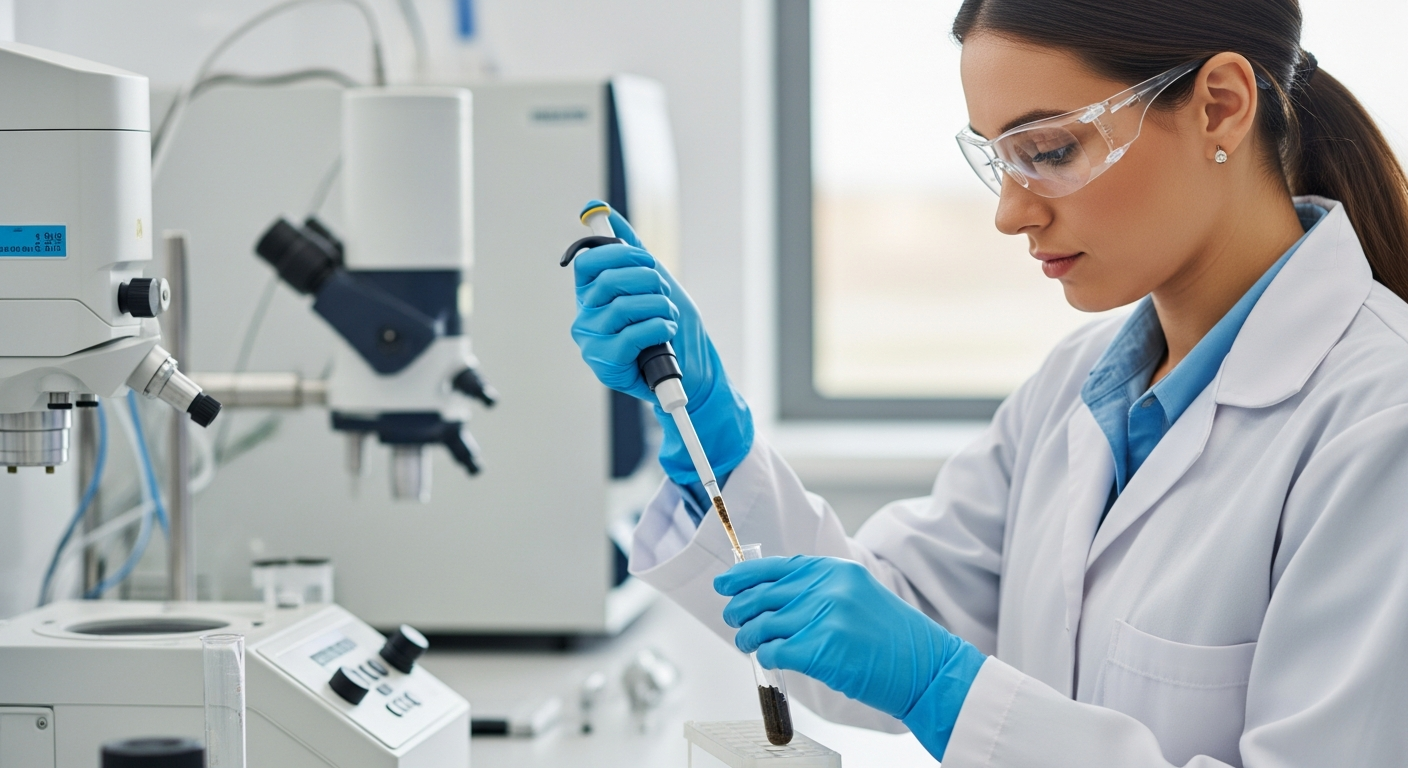
The composition of SOM is influenced by factors like climate, vegetation, and land management. Understanding these influences helps in predicting how SOM will respond to changes in these factors.
Fractionation techniques are essential for unraveling the complexity of SOM. These techniques provide insights into the various components and their interactions.
The information gained from fractionation can be used to improve soil fertility and productivity. This can lead to more sustainable agricultural practices and increased crop yields.
SOM plays a crucial role in mitigating climate change. By understanding its fractions, we can better manage carbon sequestration in soils.
Ultimately, SOM fractionation is a powerful tool for understanding and managing soil resources. It contributes to a more sustainable and resilient agricultural system.
Methods for Fractionating SOM
Several methods are available for fractionating SOM, each based on different principles. These methods can be broadly classified into physical, chemical, and biological fractionation techniques.
Physical fractionation separates SOM based on particle size or density. Chemical fractionation uses selective solvents or reagents to dissolve or extract specific SOM components.
Biological fractionation involves the use of microorganisms or enzymes to selectively degrade or modify SOM fractions. Each method has its advantages and limitations, and the choice of method depends on the specific research question and the type of soil being studied.
Physical fractionation is relatively simple and cost-effective, but it may not provide as much chemical information as other methods. Chemical fractionation can provide detailed information about the chemical composition of SOM, but it may be more labor-intensive and require specialized equipment.
Biological fractionation is often used to study the bioavailability of SOM fractions, but it can be difficult to control and interpret. The complexity of SOM requires a diverse approach to understand its composition.
Physical methods like sieving and density separation are often used as a first step. These methods help to separate SOM based on physical characteristics.
Chemical methods can involve extraction with different solvents. This allows for the isolation of specific compounds or groups of compounds.
Biological methods can be used to assess the biodegradability of different SOM fractions. This provides information on their potential to release nutrients.
The choice of fractionation method depends on the research question. Each method provides different types of information about SOM.
Combining different fractionation methods can provide a more complete picture of SOM. This allows for a more comprehensive understanding of its composition and dynamics.
Ultimately, the goal of fractionation is to better understand SOM. This knowledge can be used to improve soil management practices.
Common Fractionation Techniques
Several techniques are commonly used to separate SOM fractions. These include density fractionation, particle-size fractionation, and sequential extraction.
Each technique isolates different components of SOM based on their physical and chemical characteristics. These methods provide complementary information about the composition and dynamics of SOM.
| Fractionation Technique | Principle | SOM Fractions Isolated |
|---|---|---|
| Density Fractionation | Separation based on density using heavy liquids | Light fraction (particulate organic matter), heavy fraction (mineral-associated organic matter) |
| Particle-Size Fractionation | Separation based on particle size using sieving or sedimentation | Coarse particulate organic matter, fine particulate organic matter, silt- and clay-associated organic matter |
| Sequential Extraction | Sequential extraction with different solvents to isolate specific compounds | Fulvic acids, humic acids, humin |
| Oxidation methods | Selective oxidation to isolate more recalcitrant carbon | Chemically resistant carbon |
Density fractionation is useful for separating particulate organic matter from mineral-associated organic matter. This separation is important because these fractions have different turnover rates and contribute differently to soil functions.
Particle-size fractionation separates SOM based on the size of the particles to which it is associated. This technique provides information about the physical protection of SOM and its accessibility to microorganisms.
Sequential extraction uses a series of solvents to selectively dissolve different SOM components. This technique provides detailed information about the chemical composition of SOM and the types of compounds present.
Oxidation methods can be used to isolate the most recalcitrant forms of carbon. This helps in understanding the long-term carbon storage potential of soils.
Each of these techniques has its strengths and weaknesses. Researchers must carefully select the appropriate technique based on their research question.
The combination of these techniques provides a comprehensive understanding of SOM. This knowledge is essential for managing soil resources sustainably.
Spectroscopic Analysis of Different SOM Fractions
Spectroscopy is a powerful tool for characterizing the chemical composition of SOM fractions. It involves measuring the interaction of electromagnetic radiation with matter to obtain information about its molecular structure and bonding.
Different spectroscopic techniques, such as infrared (IR) spectroscopy, nuclear magnetic resonance (NMR) spectroscopy, and ultraviolet-visible (UV-Vis) spectroscopy, provide complementary information about SOM composition. These techniques are essential for understanding the chemical nature of SOM fractions.
IR spectroscopy is sensitive to the vibrational modes of molecules, providing information about the functional groups present in SOM. NMR spectroscopy provides detailed information about the types of carbon and hydrogen atoms present in SOM molecules.
UV-Vis spectroscopy measures the absorption of light by SOM, providing information about the presence of chromophoric (color-bearing) compounds. By combining data from these different spectroscopic techniques, a comprehensive picture of SOM composition can be obtained.
Spectroscopic analysis offers a non-destructive way to assess SOM. The data obtained can be used to infer the origin and fate of organic matter in soil.
IR spectroscopy is particularly useful for identifying functional groups like carboxyl, hydroxyl, and amine groups. These groups play important roles in SOM reactivity and nutrient cycling.
NMR spectroscopy can distinguish between different types of carbon, such as aliphatic, aromatic, and carbohydrate carbons. This provides information about the degree of decomposition and the source of SOM.
UV-Vis spectroscopy can be used to assess the humification index of SOM. This index reflects the degree of aromaticity and condensation of SOM molecules.
The combination of these spectroscopic techniques provides a powerful tool for characterizing SOM. This allows for a more detailed understanding of its composition and dynamics.
Spectroscopic data can be used to track changes in SOM composition over time. This is valuable for assessing the impact of different management practices.
Ultimately, spectroscopic analysis is an essential tool for SOM research. It provides valuable insights into the nature and function of this important soil component.
Interpreting Spectral Differences Between Fractions
The spectral characteristics of different SOM fractions can vary significantly, reflecting differences in their chemical composition and structure. Labile fractions, which are rich in carbohydrates and proteins, typically exhibit strong IR absorption bands associated with these compounds.
Stable fractions, which are enriched in aromatic compounds and alkyl structures, show different spectral features. These differences can be used to distinguish between SOM fractions and to assess their relative contributions to soil functions.
For example, a higher intensity of IR absorption bands associated with carbohydrates in a fraction indicates a greater contribution to nutrient cycling. A higher intensity of bands associated with aromatic compounds suggests a greater contribution to long-term carbon storage.
Spectral data can also be used to track changes in SOM composition over time or in response to different management practices. This information is valuable for evaluating the effectiveness of soil management strategies.
Analyzing the spectral data requires expertise in interpreting complex spectra. Reference libraries and chemometric techniques can aid in the identification of specific compounds.
Differences in spectral signatures can indicate the source of the organic matter. For instance, plant-derived SOM will have different characteristics than microbial-derived SOM.
The degree of decomposition can also be inferred from spectral data. More decomposed SOM will have a different spectral signature than less decomposed SOM.
Spectral analysis can be used to assess the impact of tillage on SOM composition. Tillage can alter the distribution of SOM fractions and their spectral characteristics.
The interpretation of spectral data is often complex and requires specialized software. Chemometric techniques can help to extract meaningful information from the data.
Reference libraries of spectral data are essential for identifying specific compounds. These libraries allow for the comparison of unknown spectra to known standards.
Ultimately, the interpretation of spectral differences is crucial for understanding SOM dynamics. This knowledge can be used to improve soil management practices.
Linking SOM Fractions to Soil Function
Different SOM fractions play distinct roles in soil function. Labile fractions, such as particulate organic matter (POM), are readily decomposed by microorganisms, releasing nutrients that support plant growth.
Stable fractions, such as humin, contribute to soil structure, water retention, and long-term carbon sequestration. Understanding the relationship between SOM fractions and soil function is crucial for developing sustainable agricultural practices that enhance soil health and productivity.
- Nutrient cycling and availability
- Soil structure and aggregation
- Water retention and infiltration
- Carbon sequestration and climate regulation
- Microbial activity and diversity
By managing SOM fractions, farmers can improve soil fertility and resilience. Practices that promote the accumulation of both labile and stable SOM fractions are essential for sustainable agriculture.
Labile fractions are important for providing readily available nutrients to plants. These fractions are quickly decomposed by microorganisms, releasing nitrogen, phosphorus, and other essential nutrients.
Stable fractions contribute to soil structure by binding soil particles together. This improves water infiltration and reduces erosion.
SOM also plays a crucial role in carbon sequestration. By storing carbon in the soil, SOM helps to mitigate climate change.
The relationship between SOM fractions and soil function is complex. It is influenced by a variety of factors, including climate, soil type, and management practices.
Understanding this relationship is essential for developing sustainable agricultural practices. These practices can enhance soil health and productivity while also protecting the environment.
Ultimately, managing SOM fractions is key to sustainable agriculture. This requires a holistic approach that considers the complex interactions between SOM, soil, and plants.
The Importance of SOM Fractionation in Precision Agriculture
Precision agriculture relies on site-specific management practices to optimize crop production and minimize environmental impacts. Soil organic matter fractionation spectroscopy can play a vital role in precision agriculture by providing detailed information about SOM composition and its spatial variability within a field.
This information can be used to tailor management practices, such as fertilizer application and tillage, to meet the specific needs of different areas within the field. By optimizing SOM management at the site-specific level, farmers can improve crop yields, reduce input costs, and enhance soil health.
For example, areas with low levels of labile SOM fractions may benefit from increased organic matter inputs, such as compost or cover crops, to enhance nutrient availability. Areas with high levels of stable SOM fractions may require less intensive tillage to preserve soil structure and carbon sequestration.
The spectral data obtained from SOM fractionation can be integrated with other precision agriculture technologies, such as remote sensing and GPS, to create detailed maps of soil properties and crop performance. These maps can then be used to guide variable-rate application of inputs and other management practices.
Precision agriculture aims to use resources efficiently. SOM fractionation spectroscopy provides the data needed to fine-tune agricultural practices.
By understanding the spatial variability of SOM fractions, farmers can make more informed decisions. This leads to more efficient use of resources and improved crop yields.
SOM fractionation can also help to identify areas within a field that are particularly vulnerable to erosion. This allows farmers to implement targeted conservation practices to protect these areas.
The integration of SOM fractionation with other precision agriculture technologies is crucial. This allows for a more holistic approach to soil management.
Ultimately, SOM fractionation is a valuable tool for precision agriculture. It helps farmers to optimize crop production while also protecting the environment.
Precision agriculture is the future of farming. SOM fractionation will play an increasingly important role in this future.
Applications in Soil Health Assessment
Soil health is a critical factor in sustainable agriculture. SOM fractionation spectroscopy offers a comprehensive approach to assessing soil health by providing insights into the different components of SOM and their contributions to soil function.
By monitoring changes in SOM fractions over time, farmers can evaluate the impact of different management practices on soil health and adjust their strategies accordingly. This approach allows for a more proactive and adaptive approach to soil management.
For instance, an increase in the proportion of labile SOM fractions may indicate improved nutrient cycling and microbial activity. A decrease in the proportion of stable SOM fractions may signal a loss of soil structure and carbon sequestration potential.
Soil health assessments based on SOM fractionation can also be used to compare the health of different soils or to track the recovery of degraded soils. This information is valuable for land management planning and conservation efforts.
Regular soil health assessments guide better decision-making. This leads to more sustainable and productive agricultural systems.
SOM fractionation provides a more detailed picture of soil health than traditional methods. This allows for a more accurate assessment of soil quality.
By monitoring SOM fractions over time, farmers can track the impact of their management practices. This helps them to make informed decisions about how to improve soil health.
Soil health assessments can also be used to identify soils that are in need of remediation. This allows for targeted conservation efforts to restore degraded soils.
The information gained from soil health assessments can be used to develop sustainable land management plans. These plans can help to protect soil resources and ensure long-term productivity.
Ultimately, soil health assessment is essential for sustainable agriculture. SOM fractionation provides a valuable tool for assessing and managing soil health.
Healthy soils are the foundation of a healthy planet. SOM fractionation helps us to understand and protect this valuable resource.
Challenges and Future Directions
While soil organic matter fractionation spectroscopy offers many advantages, some challenges need to be addressed to fully realize its potential. One challenge is the complexity of SOM and the difficulty in isolating and characterizing all of its components.
Another challenge is the lack of standardization in fractionation methods, which can make it difficult to compare results across different studies. Future research should focus on developing more robust and standardized fractionation methods, as well as on improving the interpretation of spectral data.
Advances in spectroscopic techniques, such as hyperspectral imaging and high-resolution mass spectrometry, may provide new opportunities for characterizing SOM composition. The integration of SOM fractionation spectroscopy with other soil analysis techniques, such as metagenomics and proteomics, can provide a more holistic understanding of soil processes.
There’s also a need for more research on the relationship between SOM fractions and specific soil functions, such as nutrient cycling and carbon sequestration. This knowledge will enable more targeted and effective soil management strategies.
Standardizing methods will help researchers collaborate more effectively. This will accelerate the development of best practices for soil management.
The cost of spectroscopic analysis can be a barrier for some researchers. Developing more affordable techniques would make this technology more accessible.
There is a need for more training in the interpretation of spectral data. This would enable more researchers to effectively use this technology.
Future research should focus on developing more rapid and high-throughput methods. This would allow for the analysis of larger numbers of samples.
The integration of SOM fractionation with other data sources is crucial. This would allow for a more comprehensive understanding of soil processes.
Ultimately, addressing these challenges will help to unlock the full potential of SOM fractionation spectroscopy. This will lead to more sustainable and productive agricultural systems.
Continued research and development are essential for advancing this technology. This will help us to better understand and manage our soil resources.
Conclusion
Soil organic matter fractionation spectroscopy is a valuable tool for understanding the complex composition of SOM and its impact on soil health and function. By separating SOM into distinct fractions and analyzing their spectral characteristics, we can gain detailed insights into their chemical composition, stability, and potential contributions to nutrient cycling and carbon sequestration.
This information can be used to tailor management practices in precision agriculture, optimize soil health, and improve crop productivity. While challenges remain, ongoing research and technological advancements promise to further enhance the capabilities of soil organic matter fractionation spectroscopy and its applications in sustainable agriculture.