

Soil is more than just dirt; it’s a complex ecosystem teeming with minerals that directly influence plant health. Understanding how soil mineralogy impacts nutrient availability is key to successful agriculture. It’s about unlocking the potential of the soil to feed our crops efficiently.
This article will explore the intricate relationship between soil mineralogy and nutrient uptake. We’ll examine how different minerals release essential nutrients, how weathering affects this process, and how to manage soil composition for optimal fertility.
We’ll also discuss methods for assessing soil mineral composition and share case studies of successful nutrient management strategies. Ultimately, our goal is to provide you with the knowledge to improve your soil fertility and boost your yields.
Understanding the Relationship Between Soil Mineralogy and Nutrient Availability
Soil mineralogy refers to the composition and structure of inorganic solids within the soil. These minerals act as a reservoir of essential nutrients for plants.
The availability of these nutrients is directly linked to the type and abundance of minerals present. For instance, the presence of feldspars can influence the release of potassium, a critical nutrient for plant growth.
Different minerals have varying solubilities and weathering rates, affecting how quickly nutrients become available to plants. A soil rich in easily weathered minerals will generally provide a more consistent supply of nutrients.
However, this also depends on other soil properties like pH, organic matter content, and microbial activity. These factors can either enhance or inhibit the release and uptake of nutrients from soil minerals.
Soil mineralogy is not a static property; it changes over time due to various environmental factors. Understanding these changes is crucial for long-term soil management.

The size and shape of mineral particles also influence nutrient availability. Smaller particles have a larger surface area, which can increase the rate of nutrient release.
The interactions between different minerals can also affect nutrient availability. For example, the presence of certain clay minerals can enhance the retention of potassium, preventing it from being leached out of the soil.
Furthermore, the presence of organic matter can complex with minerals, influencing their solubility and nutrient release. This highlights the importance of maintaining a healthy level of organic matter in the soil.
The type of parent material from which the soil is derived also significantly impacts its mineral composition. Soils derived from volcanic rock, for instance, tend to be rich in certain minerals compared to soils derived from sandstone.
Identifying Minerals That Release Essential Nutrients
Several key minerals are known for their ability to release essential nutrients that plants need to thrive. These minerals undergo weathering processes, slowly releasing their nutrient content into the soil solution.
Feldspars, such as orthoclase and plagioclase, are significant sources of potassium, calcium, and sodium. Apatite is a primary source of phosphorus, an essential element for plant energy transfer and root development.
Micas, like muscovite and biotite, contribute potassium and magnesium to the soil. Clay minerals, such as montmorillonite and illite, can hold and slowly release various nutrients, including potassium, calcium, and magnesium, due to their high cation exchange capacity.
Iron and manganese oxides, such as goethite and birnessite, release iron and manganese, crucial micronutrients for plant enzyme functions. The presence and weathering of these minerals directly impact the long-term fertility and nutrient supply of the soil.
Beyond the major minerals, trace minerals also play a vital role in plant health. Minerals containing zinc, copper, and boron are essential for various enzymatic processes.
The rate at which these minerals release nutrients depends on several factors, including temperature, pH, and the presence of organic acids. Understanding these factors is crucial for predicting nutrient availability.
Different plants have different nutrient requirements, so the ideal mineral composition of a soil will vary depending on the crop being grown. Soil testing can help determine the specific mineral needs of a particular crop.
The form in which a nutrient is released from a mineral also affects its availability to plants. For example, phosphorus can be released in various forms, some of which are more readily available than others.
Therefore, it’s essential to consider not only the presence of nutrient-rich minerals but also the processes that govern their release and the forms in which the nutrients are released.
How Mineral Weathering Impacts Nutrient Supply
Mineral weathering is the breakdown of rocks and minerals at the Earth’s surface. This process releases essential nutrients into the soil, making them available for plant uptake.
Weathering occurs through both physical and chemical processes, each playing a unique role in nutrient release. Physical weathering involves the disintegration of rocks into smaller particles, increasing their surface area for chemical reactions.
| Mineral Type | Nutrient Released | Weathering Process |
|---|---|---|
| Feldspars | Potassium, Calcium, Sodium | Hydrolysis |
| Apatite | Phosphorus | Dissolution |
| Micas | Potassium, Magnesium | Exfoliation, Dissolution |
| Clay Minerals | Potassium, Calcium, Magnesium | Cation Exchange, Dissolution |
| Iron and Manganese Oxides | Iron, Manganese | Redox Reactions, Dissolution |
Chemical weathering involves reactions that alter the chemical structure of minerals, leading to the release of nutrients. Hydrolysis, dissolution, oxidation, and reduction are key chemical weathering processes that affect nutrient supply.
The rate of mineral weathering is influenced by several factors, including temperature, rainfall, and the presence of organic acids. Warmer temperatures and higher rainfall generally accelerate weathering rates.
Organic acids, produced by the decomposition of organic matter, can enhance weathering by dissolving minerals and releasing nutrients. The type of vegetation present can also influence weathering rates, as different plants produce different organic acids.
The products of mineral weathering can also affect soil properties, such as pH and cation exchange capacity. For example, the release of calcium from feldspars can increase soil pH.
Understanding the different types of weathering processes and the factors that influence them is crucial for managing nutrient supply in agricultural systems. Practices that promote weathering, such as the addition of organic matter, can enhance long-term soil fertility.
The balance between physical and chemical weathering is crucial for sustained nutrient release. Physical weathering prepares the mineral surfaces, while chemical weathering facilitates the actual nutrient release.
Managing Soil Mineral Composition for Optimal Nutrient Availability
Managing soil mineral composition is essential for ensuring optimal nutrient availability for plants. This involves practices that enhance mineral weathering and maintain a balanced supply of nutrients.
One strategy is to use soil amendments that promote mineral weathering. Applying organic matter, such as compost or manure, can increase soil acidity, which accelerates the breakdown of minerals.
Crop rotation can also play a role, as different plants have varying nutrient requirements and can influence soil pH. Cover cropping is another effective method, as certain cover crops can release organic acids that enhance mineral weathering.
Additionally, maintaining proper soil pH is crucial, as it affects the solubility and availability of nutrients. Liming acidic soils can improve the availability of phosphorus and other essential nutrients.
The use of mineral fertilizers can supplement the nutrients released from soil minerals. However, it’s important to apply fertilizers judiciously to avoid nutrient imbalances and environmental pollution.
Biofertilizers, which contain beneficial microorganisms, can also enhance nutrient availability by promoting mineral weathering and nutrient uptake. These microorganisms can solubilize phosphorus and other nutrients, making them more accessible to plants.
Tillage practices can also affect soil mineral composition and nutrient availability. Excessive tillage can lead to soil erosion and the loss of topsoil, which is often rich in organic matter and nutrients.
No-till or reduced tillage practices can help conserve soil organic matter and improve soil structure, enhancing nutrient retention and availability. The key is to adopt a holistic approach that considers all aspects of soil management.
Regular soil testing is crucial to monitor nutrient levels and adjust management practices accordingly. This allows for targeted interventions to address specific nutrient deficiencies or imbalances.
Assessing Soil Mineral Composition for Nutrient Management
Accurately assessing soil mineral composition is a critical step in effective nutrient management. This involves using various analytical techniques to determine the types and quantities of minerals present in the soil.
X-ray diffraction (XRD) is a common method used to identify crystalline minerals in the soil. This technique provides detailed information about the mineralogical composition of the soil sample.
Inductively coupled plasma atomic emission spectroscopy (ICP-AES) and inductively coupled plasma mass spectrometry (ICP-MS) are used to determine the elemental composition of the soil. These methods quantify the total amount of nutrients present, regardless of their mineral form.
Scanning electron microscopy (SEM) can provide visual information about the morphology and distribution of minerals in the soil. Combining these techniques offers a comprehensive understanding of soil mineralogy and its potential for nutrient release.
Wet chemical methods, such as acid digestion followed by spectrophotometry, can also be used to determine the concentration of specific nutrients in the soil. These methods are often more cost-effective than instrumental techniques.
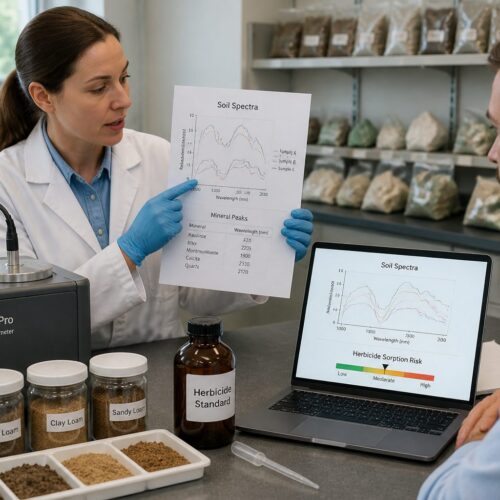
Near-infrared (NIR) spectroscopy is a rapid and non-destructive technique that can be used to estimate soil mineral composition. This method relies on the interaction of infrared light with soil components.
Geochemical modeling can be used to predict the weathering rates of minerals and the release of nutrients under different environmental conditions. These models can help guide nutrient management decisions.
It’s important to collect representative soil samples to ensure accurate assessment of soil mineral composition. Samples should be collected from multiple locations and depths within the field.
The interpretation of soil mineralogical data requires expertise and knowledge of soil science. Consulting with a soil scientist can help ensure that the data is used effectively for nutrient management.
Tools for Assessing Soil Mineral Composition
Several tools and methods are available to assess soil mineral composition, each with its strengths and limitations. Selecting the right tool depends on the specific information needed and the resources available.
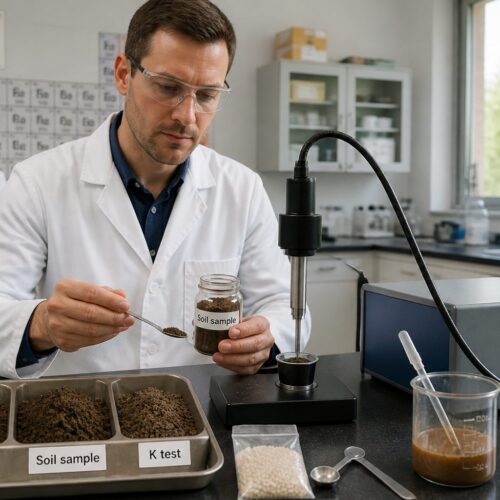
Field tests, such as pH meters and simple soil test kits, can provide quick, on-site assessments of soil conditions. Laboratory analyses, including XRD, ICP-AES, and SEM, offer more detailed and accurate data.
- X-ray Diffraction (XRD)
- Inductively Coupled Plasma Atomic Emission Spectroscopy (ICP-AES)
- Inductively Coupled Plasma Mass Spectrometry (ICP-MS)
- Scanning Electron Microscopy (SEM)
- Field pH Meters
Remote sensing techniques, such as hyperspectral imaging, can be used to map soil mineralogy over large areas. These tools provide valuable insights into soil properties and help guide nutrient management decisions.
Portable X-ray fluorescence (pXRF) analyzers are becoming increasingly popular for on-site soil analysis. These devices can quickly and accurately measure the elemental composition of soil samples.
Soil sensors that measure electrical conductivity and dielectric permittivity can provide indirect information about soil mineral composition. These sensors can be used to map soil variability within a field.
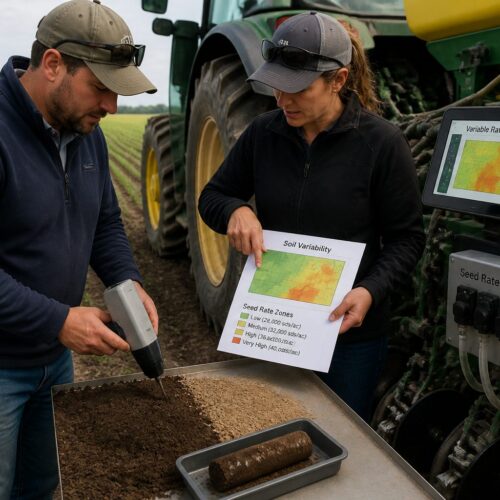
Geographic information systems (GIS) can be used to integrate soil mineralogical data with other spatial information, such as topography and land use. This allows for the creation of detailed soil maps that can be used for precision agriculture.
Software packages are available for analyzing and interpreting soil mineralogical data. These packages can help users identify mineral deficiencies and develop appropriate nutrient management strategies.
The cost of different soil assessment tools varies widely. Field tests are generally less expensive than laboratory analyses, while remote sensing techniques can be quite costly.
The choice of tool should be based on a careful consideration of the information needed, the resources available, and the expertise of the user.
Case Studies: Successful Nutrient Management Strategies
Examining case studies can provide practical insights into successful nutrient management strategies. These examples demonstrate how understanding soil mineralogy can lead to improved crop yields and sustainable farming practices.
In one study, farmers in the Netherlands used detailed soil mineralogical analysis to optimize fertilizer applications. By identifying the specific mineral deficiencies in their soils, they were able to tailor their fertilizer inputs, reducing waste and improving crop health.
Another case study in Brazil showed how the use of cover crops enhanced mineral weathering and nutrient availability in soybean fields. The cover crops released organic acids that accelerated the breakdown of minerals, leading to increased phosphorus uptake by the soybeans.
In California, almond growers have used soil amendments like gypsum to improve calcium availability in their orchards. This strategy has helped to mitigate calcium deficiencies and improve nut quality, demonstrating the importance of targeted mineral management.
A case study in China demonstrated the effectiveness of biofertilizers in enhancing phosphorus availability in rice paddies. The biofertilizers contained phosphate-solubilizing microorganisms that released phosphorus from soil minerals.
In Australia, farmers have used controlled-release fertilizers to match nutrient release with crop demand. This strategy has improved nutrient use efficiency and reduced nutrient losses to the environment.
A case study in Africa showed how the use of rock phosphate, a natural source of phosphorus, improved crop yields in phosphorus-deficient soils. The rock phosphate was applied in combination with organic matter to enhance its solubility.
In the Midwestern United States, precision agriculture techniques have been used to optimize nitrogen fertilizer applications in corn fields. Soil sensors and yield monitors are used to identify areas with nitrogen deficiencies, allowing for targeted fertilizer applications.
These case studies highlight the importance of understanding soil mineralogy and using appropriate nutrient management strategies to improve crop yields and promote sustainable agriculture. Each situation requires a tailored approach.
The Role of Soil pH in Nutrient Availability
Soil pH plays a critical role in determining the availability of nutrients to plants. The pH level affects the solubility of minerals and the activity of microorganisms, both of which influence nutrient uptake.
Most plants thrive in a slightly acidic to neutral pH range (6.0 to 7.0), where most nutrients are readily available. In acidic soils (pH below 6.0), the solubility of certain minerals, such as aluminum and manganese, increases, potentially leading to toxicity.
Acidic conditions can also reduce the availability of essential nutrients like phosphorus, calcium, and magnesium. In alkaline soils (pH above 7.0), the availability of micronutrients like iron, manganese, and zinc decreases, potentially causing deficiencies.
Managing soil pH through liming or the addition of acidifying agents is essential for maintaining optimal nutrient availability. Regular soil testing and pH adjustments can help ensure that plants have access to the nutrients they need for healthy growth.
Liming materials, such as calcium carbonate and dolomite, are commonly used to raise soil pH. The choice of liming material depends on the specific soil conditions and the desired nutrient levels.
Acidifying agents, such as sulfur and iron sulfate, can be used to lower soil pH. These materials are often used in alkaline soils to improve the availability of micronutrients.
Organic matter can also influence soil pH. The decomposition of organic matter releases organic acids, which can lower soil pH. However, organic matter can also buffer soil pH, preventing drastic changes.
The optimal soil pH for a particular crop depends on its nutrient requirements and tolerance to acidic or alkaline conditions. Some plants, such as blueberries, prefer acidic soils, while others, such as alfalfa, prefer alkaline soils.
Therefore, it’s important to consider the specific needs of the crop when managing soil pH. Regular monitoring of soil pH is essential for maintaining optimal nutrient availability and plant health.
Future Trends in Soil Mineralogy and Precision Agriculture
The field of soil mineralogy is constantly evolving, with new technologies and approaches emerging to improve nutrient management. Precision agriculture techniques are becoming increasingly integrated with soil mineralogical data to optimize fertilizer applications and enhance crop yields.
One trend is the development of more rapid and cost-effective methods for assessing soil mineral composition. Portable X-ray fluorescence (pXRF) devices allow for quick, on-site analysis of soil samples, providing real-time data for nutrient management decisions.
Another trend is the use of spectral imaging and remote sensing to map soil mineralogy over large areas. These technologies can identify areas with specific mineral deficiencies, allowing for targeted fertilizer applications and improved nutrient use efficiency.
Furthermore, research is focusing on developing soil amendments that enhance mineral weathering and nutrient release. Nanomaterials and bio-based fertilizers are being explored as potential tools for improving nutrient availability and promoting sustainable agriculture.
The integration of artificial intelligence (AI) and machine learning (ML) is also transforming soil mineralogy. AI and ML algorithms can be used to analyze large datasets of soil mineralogical data and predict nutrient availability.
Blockchain technology is being explored to improve the traceability and transparency of fertilizer supply chains. This can help ensure that farmers are using high-quality fertilizers and that nutrient management practices are sustainable.
The development of new soil sensors that can measure multiple soil properties in real-time is another promising trend. These sensors can provide continuous data on soil mineral composition, pH, and moisture content, allowing for more precise nutrient management.
The focus is shifting towards a more holistic approach to soil management that considers the interactions between soil minerals, organic matter, microorganisms, and plants. This approach aims to create healthy and resilient soils that can support sustainable agriculture.
The future of soil mineralogy and precision agriculture is bright, with many exciting developments on the horizon. These advancements have the potential to transform the way we manage nutrients and improve the sustainability of our food systems.
Conclusion
Understanding the relationship between soil mineralogy and nutrient availability is crucial for sustainable agriculture. By identifying the minerals that release essential nutrients, managing soil composition, and assessing soil mineral content, farmers can optimize nutrient uptake and improve crop yields.
As technology advances, new tools and techniques are emerging to enhance our understanding of soil mineralogy. These advancements will play a key role in the future of precision agriculture, enabling more efficient and environmentally friendly farming practices.