
This accumulated data enhances the accuracy of seed rate prescriptions based on historical performance, allowing for adjustments that reflect changing conditions and improving overall crop outcomes. By leveraging past insights, farmers can make better-informed decisions in future planting seasons, ultimately leading to sustained productivity.
Furthermore, multi-year data helps to refine the understanding of how soil properties change over time, providing a clearer picture of long-term trends. This knowledge is critical for adapting seeding strategies to evolving conditions, ensuring that farmers remain responsive to the dynamic nature of their agricultural environment.
As farmers integrate multi-year data with spectral analysis, they can develop more precise seeding recommendations tailored to the specific needs of each field and crop type. This continuous improvement cycle fosters enhanced productivity and sustainability, allowing farmers to optimize their practices over time.
Ultimately, the long-term accumulation of soil data empowers farmers to adapt their practices effectively, ensuring that they can respond to both seasonal variations and long-term changes in soil health. This approach not only maximizes yield potential but also contributes to sustainable farming practices that benefit both the environment and agricultural productivity.
Cost-Benefit Analysis of Spectroscopy-Guided Variable Rate Seeding
Conducting a cost-benefit analysis of spectroscopy-guided variable rate seeding is essential for farmers considering this innovative technology, as it provides a framework for evaluating its economic viability. While the initial investment in soil spectroscopy equipment and technology may be higher compared to traditional seeding methods, the potential long-term gains can significantly outweigh the upfront costs, especially when considering improved yields.
By optimizing seed rates and improving crop yields, farmers can achieve better returns on their investment, making the technology a worthwhile consideration. Additionally, reducing input costs through more precise application of seeds and nutrients further enhances profitability, contributing to overall farm sustainability.
Moreover, the environmental benefits of precision agriculture cannot be overlooked, as implementing variable rate seeding can minimize over-seeding and optimize resource use. By utilizing these advanced techniques, farmers contribute to sustainable agricultural practices that protect the environment while improving their operational efficiency.
Ultimately, a thorough cost-benefit analysis provides valuable insights into the feasibility of adopting spectroscopy-guided variable rate seeding. This careful evaluation helps farmers make informed decisions that align with their operational goals, ensuring that they invest in practices that yield the best returns.
With the continued advancement of technology and data analysis, the potential for improved agricultural practices is immense, paving the way for a more productive and sustainable future in farming. Farmers willing to invest in precision seeding techniques are likely to see significant benefits in the long run, as they adapt to changing market demands and environmental conditions.
Soil moisture levels, texture, and compaction are all critical factors that influence seed placement depth, impacting how easily seeds can germinate and establish themselves. Spectroscopy provides valuable insights that can help farmers make informed decisions about where and how deep to plant their seeds, ensuring that they are sown in the most favorable conditions possible.
By optimizing seed placement depth based on spectral analysis, farmers can improve seed-to-soil contact, which is essential for achieving better germination rates and robust plant establishment. This is particularly important in fields with variable soil conditions, where depth adjustments can lead to significant improvements in crop performance.
Ultimately, the ability to refine seed placement depth recommendations using spectroscopy enhances crop establishment, leading to higher yields and improved resource efficiency. By aligning planting practices with the specific conditions of their fields, farmers can ensure that their crops have the best possible start to their growth cycle.
As farmers continue to embrace technology and innovation, the integration of spectroscopy into planting strategies will become more prevalent, enabling them to achieve greater precision in their agricultural practices. This advancement represents a significant step toward optimizing crop production while minimizing environmental impacts and promoting sustainability.
Multi-Year Data Accumulation for Improved Seeding Prescriptions
Multi-year data accumulation is vital for improving seeding prescriptions in precision agriculture, as it allows farmers to build a comprehensive understanding of their fields over time. Over the years, consistent data collection enables farmers to identify trends and patterns in soil variability, which can inform future planting strategies.
This accumulated data enhances the accuracy of seed rate prescriptions based on historical performance, allowing for adjustments that reflect changing conditions and improving overall crop outcomes. By leveraging past insights, farmers can make better-informed decisions in future planting seasons, ultimately leading to sustained productivity.
Furthermore, multi-year data helps to refine the understanding of how soil properties change over time, providing a clearer picture of long-term trends. This knowledge is critical for adapting seeding strategies to evolving conditions, ensuring that farmers remain responsive to the dynamic nature of their agricultural environment.
As farmers integrate multi-year data with spectral analysis, they can develop more precise seeding recommendations tailored to the specific needs of each field and crop type. This continuous improvement cycle fosters enhanced productivity and sustainability, allowing farmers to optimize their practices over time.
Ultimately, the long-term accumulation of soil data empowers farmers to adapt their practices effectively, ensuring that they can respond to both seasonal variations and long-term changes in soil health. This approach not only maximizes yield potential but also contributes to sustainable farming practices that benefit both the environment and agricultural productivity.
Cost-Benefit Analysis of Spectroscopy-Guided Variable Rate Seeding
Conducting a cost-benefit analysis of spectroscopy-guided variable rate seeding is essential for farmers considering this innovative technology, as it provides a framework for evaluating its economic viability. While the initial investment in soil spectroscopy equipment and technology may be higher compared to traditional seeding methods, the potential long-term gains can significantly outweigh the upfront costs, especially when considering improved yields.
By optimizing seed rates and improving crop yields, farmers can achieve better returns on their investment, making the technology a worthwhile consideration. Additionally, reducing input costs through more precise application of seeds and nutrients further enhances profitability, contributing to overall farm sustainability.
Moreover, the environmental benefits of precision agriculture cannot be overlooked, as implementing variable rate seeding can minimize over-seeding and optimize resource use. By utilizing these advanced techniques, farmers contribute to sustainable agricultural practices that protect the environment while improving their operational efficiency.
Ultimately, a thorough cost-benefit analysis provides valuable insights into the feasibility of adopting spectroscopy-guided variable rate seeding. This careful evaluation helps farmers make informed decisions that align with their operational goals, ensuring that they invest in practices that yield the best returns.
With the continued advancement of technology and data analysis, the potential for improved agricultural practices is immense, paving the way for a more productive and sustainable future in farming. Farmers willing to invest in precision seeding techniques are likely to see significant benefits in the long run, as they adapt to changing market demands and environmental conditions.
In contrast, variable-rate seeding tailors the seed rate to the specific needs of different zones within a field, allowing for a more nuanced approach to planting. This method can result in improved yield potential and better resource utilization, as farmers can allocate their inputs more effectively based on the unique conditions present in each zone.
Farmers using variable-rate seeding can observe more consistent crop performance across varying soil types, reducing the risks of over- or under-seeding specific areas that can lead to crop stress and lower yields. This adaptability is crucial in modern agriculture, where environmental conditions can fluctuate significantly from season to season.
Moreover, the ability to adjust seeding rates based on real-time soil data leads to more efficient planting strategies, enabling farmers to optimize their operations. Ultimately, this results in higher overall productivity and profitability for farmers as they strive to meet the demands of a growing population while maintaining sustainable practices.
The advantages of variable-rate seeding include improved crop uniformity and reduced input costs, as farmers can apply the right amount of seed in the right places. These benefits make it an increasingly attractive option for modern farmers seeking to enhance their operations, improve sustainability, and contribute positively to the environment.
Using Spectroscopy to Refine Seed Placement Depth Recommendations
Using spectroscopy to refine seed placement depth recommendations is a game changer in precision agriculture, providing farmers with the tools they need to optimize planting practices. By understanding soil properties such as moisture levels, texture, and compaction, farmers can determine the optimal depth for seed placement to enhance germination and promote healthy growth.
Soil moisture levels, texture, and compaction are all critical factors that influence seed placement depth, impacting how easily seeds can germinate and establish themselves. Spectroscopy provides valuable insights that can help farmers make informed decisions about where and how deep to plant their seeds, ensuring that they are sown in the most favorable conditions possible.
By optimizing seed placement depth based on spectral analysis, farmers can improve seed-to-soil contact, which is essential for achieving better germination rates and robust plant establishment. This is particularly important in fields with variable soil conditions, where depth adjustments can lead to significant improvements in crop performance.
Ultimately, the ability to refine seed placement depth recommendations using spectroscopy enhances crop establishment, leading to higher yields and improved resource efficiency. By aligning planting practices with the specific conditions of their fields, farmers can ensure that their crops have the best possible start to their growth cycle.
As farmers continue to embrace technology and innovation, the integration of spectroscopy into planting strategies will become more prevalent, enabling them to achieve greater precision in their agricultural practices. This advancement represents a significant step toward optimizing crop production while minimizing environmental impacts and promoting sustainability.
Multi-Year Data Accumulation for Improved Seeding Prescriptions
Multi-year data accumulation is vital for improving seeding prescriptions in precision agriculture, as it allows farmers to build a comprehensive understanding of their fields over time. Over the years, consistent data collection enables farmers to identify trends and patterns in soil variability, which can inform future planting strategies.
This accumulated data enhances the accuracy of seed rate prescriptions based on historical performance, allowing for adjustments that reflect changing conditions and improving overall crop outcomes. By leveraging past insights, farmers can make better-informed decisions in future planting seasons, ultimately leading to sustained productivity.
Furthermore, multi-year data helps to refine the understanding of how soil properties change over time, providing a clearer picture of long-term trends. This knowledge is critical for adapting seeding strategies to evolving conditions, ensuring that farmers remain responsive to the dynamic nature of their agricultural environment.
As farmers integrate multi-year data with spectral analysis, they can develop more precise seeding recommendations tailored to the specific needs of each field and crop type. This continuous improvement cycle fosters enhanced productivity and sustainability, allowing farmers to optimize their practices over time.
Ultimately, the long-term accumulation of soil data empowers farmers to adapt their practices effectively, ensuring that they can respond to both seasonal variations and long-term changes in soil health. This approach not only maximizes yield potential but also contributes to sustainable farming practices that benefit both the environment and agricultural productivity.
Cost-Benefit Analysis of Spectroscopy-Guided Variable Rate Seeding
Conducting a cost-benefit analysis of spectroscopy-guided variable rate seeding is essential for farmers considering this innovative technology, as it provides a framework for evaluating its economic viability. While the initial investment in soil spectroscopy equipment and technology may be higher compared to traditional seeding methods, the potential long-term gains can significantly outweigh the upfront costs, especially when considering improved yields.
By optimizing seed rates and improving crop yields, farmers can achieve better returns on their investment, making the technology a worthwhile consideration. Additionally, reducing input costs through more precise application of seeds and nutrients further enhances profitability, contributing to overall farm sustainability.
Moreover, the environmental benefits of precision agriculture cannot be overlooked, as implementing variable rate seeding can minimize over-seeding and optimize resource use. By utilizing these advanced techniques, farmers contribute to sustainable agricultural practices that protect the environment while improving their operational efficiency.
Ultimately, a thorough cost-benefit analysis provides valuable insights into the feasibility of adopting spectroscopy-guided variable rate seeding. This careful evaluation helps farmers make informed decisions that align with their operational goals, ensuring that they invest in practices that yield the best returns.
With the continued advancement of technology and data analysis, the potential for improved agricultural practices is immense, paving the way for a more productive and sustainable future in farming. Farmers willing to invest in precision seeding techniques are likely to see significant benefits in the long run, as they adapt to changing market demands and environmental conditions.
By utilizing advanced planter control technologies, farmers can optimize their seeding operations to ensure that each section of the field receives the correct seed rate tailored to its unique conditions, enhancing overall planting accuracy. This integration not only streamlines the planting process but also contributes to better resource management and improved crop yields.
- Enhanced accuracy in seed placement, which leads to more uniform crop stands.
- Real-time data adjustments that allow for immediate responsiveness to changing soil conditions.
- Improved resource management by optimizing inputs based on accurate soil data.
- Increased crop yields as a result of better alignment of seeding rates with soil characteristics.
- Reduced input costs, contributing to overall farm profitability and sustainability.
Moreover, integrating these technologies streamlines the planting process, making it more efficient and less labor-intensive for farmers. They can save time and labor while ensuring that their crops receive the best possible start, which is crucial for achieving high yields and maintaining competitive advantage in the agricultural market.
Ultimately, the merger of spectral soil maps with planter control systems represents a significant advancement in precision agriculture, marking a shift toward more sustainable farming practices. This approach not only improves planting accuracy but also contributes to the long-term health of the soil and the ecosystem as a whole.
Comparing Fixed-Rate vs. Variable-Rate Seeding Outcomes
Comparing fixed-rate and variable-rate seeding outcomes reveals significant differences in crop performance and overall agricultural efficiency. Fixed-rate seeding applies the same seed population across the entire field, often leading to underperformance in areas with less favorable conditions, ultimately resulting in wasted resources and lower yields.
In contrast, variable-rate seeding tailors the seed rate to the specific needs of different zones within a field, allowing for a more nuanced approach to planting. This method can result in improved yield potential and better resource utilization, as farmers can allocate their inputs more effectively based on the unique conditions present in each zone.
Farmers using variable-rate seeding can observe more consistent crop performance across varying soil types, reducing the risks of over- or under-seeding specific areas that can lead to crop stress and lower yields. This adaptability is crucial in modern agriculture, where environmental conditions can fluctuate significantly from season to season.
Moreover, the ability to adjust seeding rates based on real-time soil data leads to more efficient planting strategies, enabling farmers to optimize their operations. Ultimately, this results in higher overall productivity and profitability for farmers as they strive to meet the demands of a growing population while maintaining sustainable practices.
The advantages of variable-rate seeding include improved crop uniformity and reduced input costs, as farmers can apply the right amount of seed in the right places. These benefits make it an increasingly attractive option for modern farmers seeking to enhance their operations, improve sustainability, and contribute positively to the environment.
Using Spectroscopy to Refine Seed Placement Depth Recommendations
Using spectroscopy to refine seed placement depth recommendations is a game changer in precision agriculture, providing farmers with the tools they need to optimize planting practices. By understanding soil properties such as moisture levels, texture, and compaction, farmers can determine the optimal depth for seed placement to enhance germination and promote healthy growth.
Soil moisture levels, texture, and compaction are all critical factors that influence seed placement depth, impacting how easily seeds can germinate and establish themselves. Spectroscopy provides valuable insights that can help farmers make informed decisions about where and how deep to plant their seeds, ensuring that they are sown in the most favorable conditions possible.
By optimizing seed placement depth based on spectral analysis, farmers can improve seed-to-soil contact, which is essential for achieving better germination rates and robust plant establishment. This is particularly important in fields with variable soil conditions, where depth adjustments can lead to significant improvements in crop performance.
Ultimately, the ability to refine seed placement depth recommendations using spectroscopy enhances crop establishment, leading to higher yields and improved resource efficiency. By aligning planting practices with the specific conditions of their fields, farmers can ensure that their crops have the best possible start to their growth cycle.
As farmers continue to embrace technology and innovation, the integration of spectroscopy into planting strategies will become more prevalent, enabling them to achieve greater precision in their agricultural practices. This advancement represents a significant step toward optimizing crop production while minimizing environmental impacts and promoting sustainability.
Multi-Year Data Accumulation for Improved Seeding Prescriptions
Multi-year data accumulation is vital for improving seeding prescriptions in precision agriculture, as it allows farmers to build a comprehensive understanding of their fields over time. Over the years, consistent data collection enables farmers to identify trends and patterns in soil variability, which can inform future planting strategies.
This accumulated data enhances the accuracy of seed rate prescriptions based on historical performance, allowing for adjustments that reflect changing conditions and improving overall crop outcomes. By leveraging past insights, farmers can make better-informed decisions in future planting seasons, ultimately leading to sustained productivity.
Furthermore, multi-year data helps to refine the understanding of how soil properties change over time, providing a clearer picture of long-term trends. This knowledge is critical for adapting seeding strategies to evolving conditions, ensuring that farmers remain responsive to the dynamic nature of their agricultural environment.
As farmers integrate multi-year data with spectral analysis, they can develop more precise seeding recommendations tailored to the specific needs of each field and crop type. This continuous improvement cycle fosters enhanced productivity and sustainability, allowing farmers to optimize their practices over time.
Ultimately, the long-term accumulation of soil data empowers farmers to adapt their practices effectively, ensuring that they can respond to both seasonal variations and long-term changes in soil health. This approach not only maximizes yield potential but also contributes to sustainable farming practices that benefit both the environment and agricultural productivity.
Cost-Benefit Analysis of Spectroscopy-Guided Variable Rate Seeding
Conducting a cost-benefit analysis of spectroscopy-guided variable rate seeding is essential for farmers considering this innovative technology, as it provides a framework for evaluating its economic viability. While the initial investment in soil spectroscopy equipment and technology may be higher compared to traditional seeding methods, the potential long-term gains can significantly outweigh the upfront costs, especially when considering improved yields.
By optimizing seed rates and improving crop yields, farmers can achieve better returns on their investment, making the technology a worthwhile consideration. Additionally, reducing input costs through more precise application of seeds and nutrients further enhances profitability, contributing to overall farm sustainability.
Moreover, the environmental benefits of precision agriculture cannot be overlooked, as implementing variable rate seeding can minimize over-seeding and optimize resource use. By utilizing these advanced techniques, farmers contribute to sustainable agricultural practices that protect the environment while improving their operational efficiency.
Ultimately, a thorough cost-benefit analysis provides valuable insights into the feasibility of adopting spectroscopy-guided variable rate seeding. This careful evaluation helps farmers make informed decisions that align with their operational goals, ensuring that they invest in practices that yield the best returns.
With the continued advancement of technology and data analysis, the potential for improved agricultural practices is immense, paving the way for a more productive and sustainable future in farming. Farmers willing to invest in precision seeding techniques are likely to see significant benefits in the long run, as they adapt to changing market demands and environmental conditions.
By creating variable-rate seeding prescriptions tailored to the specific needs of each zone, farmers can adjust their planting strategies accordingly. This not only optimizes seed usage but also enhances crop health and yield by matching seed populations to the unique soil conditions present in each area.
Implementing variable-rate prescriptions allows for more efficient resource management, as farmers can allocate inputs more effectively based on the needs of specific zones. By doing so, farmers can reduce input costs while maximizing the return on their investment, ultimately contributing to greater farm profitability.
Additionally, tailoring seed rates to specific zones can help mitigate risks associated with soil variability, ensuring that crops receive the right amount of seed to thrive in their distinct environments. This proactive approach prepares farmers for potential challenges, such as drought or uneven nutrient distribution, in different areas of their fields.
Ultimately, translating soil zones into variable-rate seeding prescriptions is a vital step toward achieving precision agriculture and maximizing productivity. This method empowers farmers to make data-driven decisions that lead to higher productivity, improved crop health, and greater sustainability in their agricultural practices.
Integrating Spectral Soil Maps With Planter Control Systems
Integrating spectral soil maps with planter control systems is essential for implementing variable-rate seeding effectively on modern farms. This integration allows for real-time adjustments based on the soil properties identified through spectroscopy, enabling farmers to respond dynamically to the specific conditions in their fields during planting.
By utilizing advanced planter control technologies, farmers can optimize their seeding operations to ensure that each section of the field receives the correct seed rate tailored to its unique conditions, enhancing overall planting accuracy. This integration not only streamlines the planting process but also contributes to better resource management and improved crop yields.
- Enhanced accuracy in seed placement, which leads to more uniform crop stands.
- Real-time data adjustments that allow for immediate responsiveness to changing soil conditions.
- Improved resource management by optimizing inputs based on accurate soil data.
- Increased crop yields as a result of better alignment of seeding rates with soil characteristics.
- Reduced input costs, contributing to overall farm profitability and sustainability.
Moreover, integrating these technologies streamlines the planting process, making it more efficient and less labor-intensive for farmers. They can save time and labor while ensuring that their crops receive the best possible start, which is crucial for achieving high yields and maintaining competitive advantage in the agricultural market.
Ultimately, the merger of spectral soil maps with planter control systems represents a significant advancement in precision agriculture, marking a shift toward more sustainable farming practices. This approach not only improves planting accuracy but also contributes to the long-term health of the soil and the ecosystem as a whole.
Comparing Fixed-Rate vs. Variable-Rate Seeding Outcomes
Comparing fixed-rate and variable-rate seeding outcomes reveals significant differences in crop performance and overall agricultural efficiency. Fixed-rate seeding applies the same seed population across the entire field, often leading to underperformance in areas with less favorable conditions, ultimately resulting in wasted resources and lower yields.
In contrast, variable-rate seeding tailors the seed rate to the specific needs of different zones within a field, allowing for a more nuanced approach to planting. This method can result in improved yield potential and better resource utilization, as farmers can allocate their inputs more effectively based on the unique conditions present in each zone.
Farmers using variable-rate seeding can observe more consistent crop performance across varying soil types, reducing the risks of over- or under-seeding specific areas that can lead to crop stress and lower yields. This adaptability is crucial in modern agriculture, where environmental conditions can fluctuate significantly from season to season.
Moreover, the ability to adjust seeding rates based on real-time soil data leads to more efficient planting strategies, enabling farmers to optimize their operations. Ultimately, this results in higher overall productivity and profitability for farmers as they strive to meet the demands of a growing population while maintaining sustainable practices.
The advantages of variable-rate seeding include improved crop uniformity and reduced input costs, as farmers can apply the right amount of seed in the right places. These benefits make it an increasingly attractive option for modern farmers seeking to enhance their operations, improve sustainability, and contribute positively to the environment.
Using Spectroscopy to Refine Seed Placement Depth Recommendations
Using spectroscopy to refine seed placement depth recommendations is a game changer in precision agriculture, providing farmers with the tools they need to optimize planting practices. By understanding soil properties such as moisture levels, texture, and compaction, farmers can determine the optimal depth for seed placement to enhance germination and promote healthy growth.
Soil moisture levels, texture, and compaction are all critical factors that influence seed placement depth, impacting how easily seeds can germinate and establish themselves. Spectroscopy provides valuable insights that can help farmers make informed decisions about where and how deep to plant their seeds, ensuring that they are sown in the most favorable conditions possible.
By optimizing seed placement depth based on spectral analysis, farmers can improve seed-to-soil contact, which is essential for achieving better germination rates and robust plant establishment. This is particularly important in fields with variable soil conditions, where depth adjustments can lead to significant improvements in crop performance.
Ultimately, the ability to refine seed placement depth recommendations using spectroscopy enhances crop establishment, leading to higher yields and improved resource efficiency. By aligning planting practices with the specific conditions of their fields, farmers can ensure that their crops have the best possible start to their growth cycle.
As farmers continue to embrace technology and innovation, the integration of spectroscopy into planting strategies will become more prevalent, enabling them to achieve greater precision in their agricultural practices. This advancement represents a significant step toward optimizing crop production while minimizing environmental impacts and promoting sustainability.
Multi-Year Data Accumulation for Improved Seeding Prescriptions
Multi-year data accumulation is vital for improving seeding prescriptions in precision agriculture, as it allows farmers to build a comprehensive understanding of their fields over time. Over the years, consistent data collection enables farmers to identify trends and patterns in soil variability, which can inform future planting strategies.
This accumulated data enhances the accuracy of seed rate prescriptions based on historical performance, allowing for adjustments that reflect changing conditions and improving overall crop outcomes. By leveraging past insights, farmers can make better-informed decisions in future planting seasons, ultimately leading to sustained productivity.
Furthermore, multi-year data helps to refine the understanding of how soil properties change over time, providing a clearer picture of long-term trends. This knowledge is critical for adapting seeding strategies to evolving conditions, ensuring that farmers remain responsive to the dynamic nature of their agricultural environment.
As farmers integrate multi-year data with spectral analysis, they can develop more precise seeding recommendations tailored to the specific needs of each field and crop type. This continuous improvement cycle fosters enhanced productivity and sustainability, allowing farmers to optimize their practices over time.
Ultimately, the long-term accumulation of soil data empowers farmers to adapt their practices effectively, ensuring that they can respond to both seasonal variations and long-term changes in soil health. This approach not only maximizes yield potential but also contributes to sustainable farming practices that benefit both the environment and agricultural productivity.
Cost-Benefit Analysis of Spectroscopy-Guided Variable Rate Seeding
Conducting a cost-benefit analysis of spectroscopy-guided variable rate seeding is essential for farmers considering this innovative technology, as it provides a framework for evaluating its economic viability. While the initial investment in soil spectroscopy equipment and technology may be higher compared to traditional seeding methods, the potential long-term gains can significantly outweigh the upfront costs, especially when considering improved yields.
By optimizing seed rates and improving crop yields, farmers can achieve better returns on their investment, making the technology a worthwhile consideration. Additionally, reducing input costs through more precise application of seeds and nutrients further enhances profitability, contributing to overall farm sustainability.
Moreover, the environmental benefits of precision agriculture cannot be overlooked, as implementing variable rate seeding can minimize over-seeding and optimize resource use. By utilizing these advanced techniques, farmers contribute to sustainable agricultural practices that protect the environment while improving their operational efficiency.
Ultimately, a thorough cost-benefit analysis provides valuable insights into the feasibility of adopting spectroscopy-guided variable rate seeding. This careful evaluation helps farmers make informed decisions that align with their operational goals, ensuring that they invest in practices that yield the best returns.
With the continued advancement of technology and data analysis, the potential for improved agricultural practices is immense, paving the way for a more productive and sustainable future in farming. Farmers willing to invest in precision seeding techniques are likely to see significant benefits in the long run, as they adapt to changing market demands and environmental conditions.
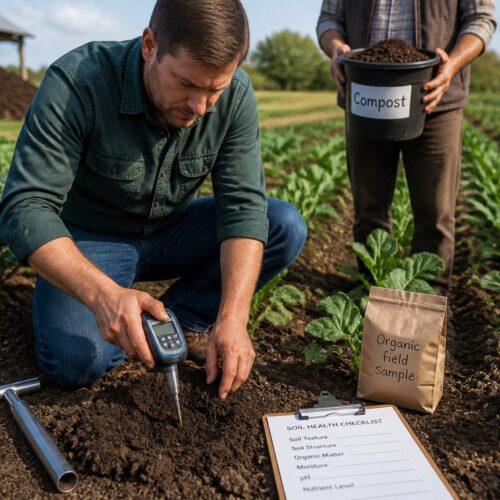
Soil variability plays a crucial role in determining optimal seed populations for successful crop yields, as it directly influences how plants respond to their environment. By understanding the intricate relationship between soil properties, such as texture and moisture, and plant growth, farmers can make informed decisions that enhance productivity and ensure sustainable farming practices are employed.
Precision seeding practices are increasingly relying on advanced technologies like soil spectroscopy to gain comprehensive insights into soil variability within agricultural fields. These insights allow for tailored seed rate prescriptions that align with the specific needs of different zones within a field, making it possible to optimize growth conditions for various crops.
As the agricultural sector embraces data-driven strategies, the importance of accurately assessing soil conditions has never been more critical for maximizing efficiency and yield. This blog will explore how soil spectroscopy can inform and refine seeding decisions to maximize crop potential and contribute to overall agricultural sustainability.
The Link Between Soil Variability and Optimal Seed Population
Understanding soil variability is essential for determining the optimal seed population for any given crop, as it allows for better alignment of planting practices with the unique characteristics of each field. Variations in soil texture, nutrient content, and moisture levels can significantly impact plant growth, affecting not just germination rates but also overall crop yield and health.
When farmers recognize these variations in their fields, they can adjust their seeding practices to ensure that every section is planted with the appropriate seed rate, leading to more efficient use of resources. This careful calibration of seed populations in response to soil variability ultimately maximizes the overall yield potential across the entire agricultural area.
Incorporating precision agriculture tools helps farmers identify and manage soil variability effectively, providing them with the data necessary to make informed decisions. By analyzing soil data comprehensively, they can optimize their planting strategies to fit the unique conditions of their fields and enhance crop resilience.
Optimal seed populations also depend not only on the specific crop being planted but also on the desired yield and market conditions. By leveraging soil spectroscopy, farmers can gain insights into their fields that were previously unattainable, allowing them to tailor their planting practices to the specific needs of their crops.
Ultimately, understanding the link between soil variability and seed population empowers farmers to make more effective decision-making processes. This approach enhances crop performance, leading to increased profits, reduced waste, and a more sustainable future for agriculture.
Which Soil Properties Spectroscopy Can Predict for Seeding Decisions
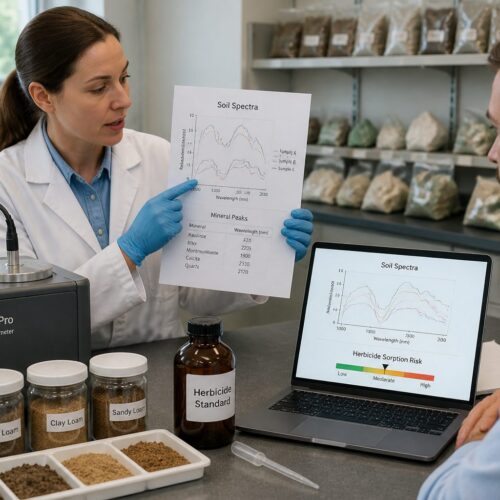
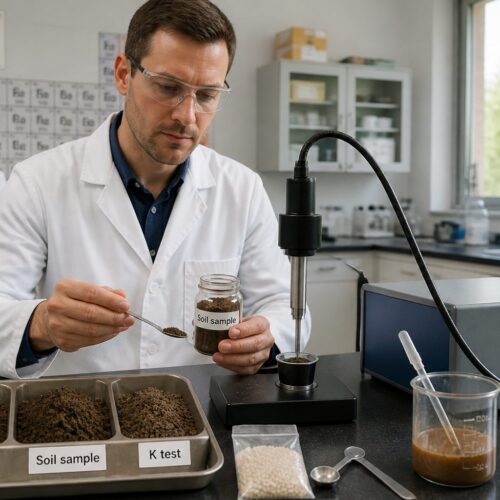
Soil spectroscopy can predict a range of essential soil properties that influence seeding decisions, providing farmers with vital information to enhance their planting strategies. Key attributes such as soil texture, organic matter content, and nutrient availability can all be assessed through spectral analysis, offering a detailed overview of the conditions that seeds will face upon planting.
These properties are vital for determining how well seeds will germinate and grow in various soil conditions, as they directly affect the ability of plants to access necessary nutrients and water. By understanding these critical factors, farmers can make better-informed seeding choices that enhance crop performance and contribute to successful harvests.
The ability to measure soil moisture levels through spectroscopy is another critical advantage that aids farmers in planning their planting schedules and techniques. Moisture content directly affects seed germination rates and overall plant health, making it imperative to know the moisture status of the soil before deciding on seeding depth and timing.
Additionally, spectroscopy can assess pH levels, which influence nutrient availability and microbial activity in the soil, both of which are essential for healthy plant growth. By monitoring these critical soil properties, farmers can fine-tune their seeding rates to match the specific requirements of their crops and ensure optimal growth conditions.
Ultimately, the predictive capabilities of soil spectroscopy provide a comprehensive understanding of soil health and variability across agricultural landscapes. This knowledge is crucial for making precise seed rate prescriptions that align with agricultural goals and improve overall farming practices.
Generating Soil Productivity Zones From Spectral Field Scans
Generating soil productivity zones involves analyzing spectral field scans to identify areas with distinct soil characteristics and variations in fertility. This process allows farmers to visualize soil variability across their fields effectively, enabling them to make data-driven decisions regarding planting and resource allocation.
By segmenting fields into productivity zones based on spectral information, farmers can tailor their management practices to meet the specific needs of each area, leading to more efficient use of resources. This targeted approach enhances overall efficiency and crop performance by ensuring that each zone is treated according to its unique soil characteristics.
| Zone | Soil Type | Optimal Seed Rate |
|---|---|---|
| Zone 1 | Clay | 30,000 seeds/acre |
| Zone 2 | Sandy Loam | 25,000 seeds/acre |
| Zone 3 | Loamy | 28,000 seeds/acre |
| Zone 4 | Silty | 32,000 seeds/acre |
This information is critical for developing effective seed rate prescriptions that maximize yield potential, as each zone will have its unique set of conditions that influence growth. With the right data and mapping of soil productivity zones, farmers can ensure that each area of their field receives the appropriate seed population to optimize overall crop yield.
Translating Soil Zones Into Variable-Rate Seeding Prescriptions
Translating soil zones into variable-rate seeding prescriptions requires careful analysis of the data obtained from spectral scans, emphasizing the importance of precision in agricultural practices. Farmers must consider the unique characteristics of each zone, including soil type and fertility, to determine the optimal seed rate that best supports healthy crop growth.
By creating variable-rate seeding prescriptions tailored to the specific needs of each zone, farmers can adjust their planting strategies accordingly. This not only optimizes seed usage but also enhances crop health and yield by matching seed populations to the unique soil conditions present in each area.
Implementing variable-rate prescriptions allows for more efficient resource management, as farmers can allocate inputs more effectively based on the needs of specific zones. By doing so, farmers can reduce input costs while maximizing the return on their investment, ultimately contributing to greater farm profitability.
Additionally, tailoring seed rates to specific zones can help mitigate risks associated with soil variability, ensuring that crops receive the right amount of seed to thrive in their distinct environments. This proactive approach prepares farmers for potential challenges, such as drought or uneven nutrient distribution, in different areas of their fields.
Ultimately, translating soil zones into variable-rate seeding prescriptions is a vital step toward achieving precision agriculture and maximizing productivity. This method empowers farmers to make data-driven decisions that lead to higher productivity, improved crop health, and greater sustainability in their agricultural practices.
Integrating Spectral Soil Maps With Planter Control Systems
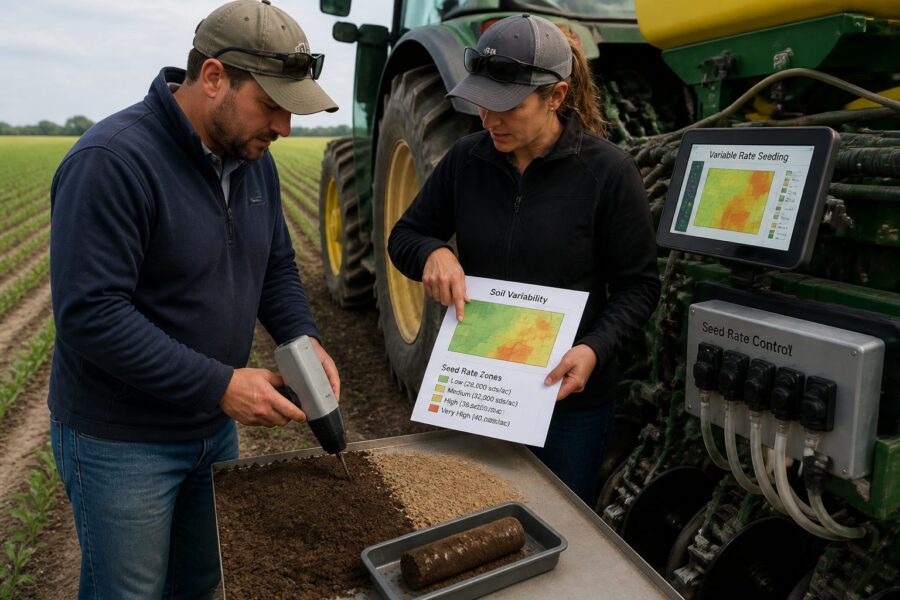
Integrating spectral soil maps with planter control systems is essential for implementing variable-rate seeding effectively on modern farms. This integration allows for real-time adjustments based on the soil properties identified through spectroscopy, enabling farmers to respond dynamically to the specific conditions in their fields during planting.
By utilizing advanced planter control technologies, farmers can optimize their seeding operations to ensure that each section of the field receives the correct seed rate tailored to its unique conditions, enhancing overall planting accuracy. This integration not only streamlines the planting process but also contributes to better resource management and improved crop yields.
- Enhanced accuracy in seed placement, which leads to more uniform crop stands.
- Real-time data adjustments that allow for immediate responsiveness to changing soil conditions.
- Improved resource management by optimizing inputs based on accurate soil data.
- Increased crop yields as a result of better alignment of seeding rates with soil characteristics.
- Reduced input costs, contributing to overall farm profitability and sustainability.
Moreover, integrating these technologies streamlines the planting process, making it more efficient and less labor-intensive for farmers. They can save time and labor while ensuring that their crops receive the best possible start, which is crucial for achieving high yields and maintaining competitive advantage in the agricultural market.
Ultimately, the merger of spectral soil maps with planter control systems represents a significant advancement in precision agriculture, marking a shift toward more sustainable farming practices. This approach not only improves planting accuracy but also contributes to the long-term health of the soil and the ecosystem as a whole.
Comparing Fixed-Rate vs. Variable-Rate Seeding Outcomes
Comparing fixed-rate and variable-rate seeding outcomes reveals significant differences in crop performance and overall agricultural efficiency. Fixed-rate seeding applies the same seed population across the entire field, often leading to underperformance in areas with less favorable conditions, ultimately resulting in wasted resources and lower yields.
In contrast, variable-rate seeding tailors the seed rate to the specific needs of different zones within a field, allowing for a more nuanced approach to planting. This method can result in improved yield potential and better resource utilization, as farmers can allocate their inputs more effectively based on the unique conditions present in each zone.
Farmers using variable-rate seeding can observe more consistent crop performance across varying soil types, reducing the risks of over- or under-seeding specific areas that can lead to crop stress and lower yields. This adaptability is crucial in modern agriculture, where environmental conditions can fluctuate significantly from season to season.
Moreover, the ability to adjust seeding rates based on real-time soil data leads to more efficient planting strategies, enabling farmers to optimize their operations. Ultimately, this results in higher overall productivity and profitability for farmers as they strive to meet the demands of a growing population while maintaining sustainable practices.
The advantages of variable-rate seeding include improved crop uniformity and reduced input costs, as farmers can apply the right amount of seed in the right places. These benefits make it an increasingly attractive option for modern farmers seeking to enhance their operations, improve sustainability, and contribute positively to the environment.
Using Spectroscopy to Refine Seed Placement Depth Recommendations
Using spectroscopy to refine seed placement depth recommendations is a game changer in precision agriculture, providing farmers with the tools they need to optimize planting practices. By understanding soil properties such as moisture levels, texture, and compaction, farmers can determine the optimal depth for seed placement to enhance germination and promote healthy growth.
Soil moisture levels, texture, and compaction are all critical factors that influence seed placement depth, impacting how easily seeds can germinate and establish themselves. Spectroscopy provides valuable insights that can help farmers make informed decisions about where and how deep to plant their seeds, ensuring that they are sown in the most favorable conditions possible.
By optimizing seed placement depth based on spectral analysis, farmers can improve seed-to-soil contact, which is essential for achieving better germination rates and robust plant establishment. This is particularly important in fields with variable soil conditions, where depth adjustments can lead to significant improvements in crop performance.
Ultimately, the ability to refine seed placement depth recommendations using spectroscopy enhances crop establishment, leading to higher yields and improved resource efficiency. By aligning planting practices with the specific conditions of their fields, farmers can ensure that their crops have the best possible start to their growth cycle.
As farmers continue to embrace technology and innovation, the integration of spectroscopy into planting strategies will become more prevalent, enabling them to achieve greater precision in their agricultural practices. This advancement represents a significant step toward optimizing crop production while minimizing environmental impacts and promoting sustainability.
Multi-Year Data Accumulation for Improved Seeding Prescriptions
Multi-year data accumulation is vital for improving seeding prescriptions in precision agriculture, as it allows farmers to build a comprehensive understanding of their fields over time. Over the years, consistent data collection enables farmers to identify trends and patterns in soil variability, which can inform future planting strategies.
This accumulated data enhances the accuracy of seed rate prescriptions based on historical performance, allowing for adjustments that reflect changing conditions and improving overall crop outcomes. By leveraging past insights, farmers can make better-informed decisions in future planting seasons, ultimately leading to sustained productivity.
Furthermore, multi-year data helps to refine the understanding of how soil properties change over time, providing a clearer picture of long-term trends. This knowledge is critical for adapting seeding strategies to evolving conditions, ensuring that farmers remain responsive to the dynamic nature of their agricultural environment.
As farmers integrate multi-year data with spectral analysis, they can develop more precise seeding recommendations tailored to the specific needs of each field and crop type. This continuous improvement cycle fosters enhanced productivity and sustainability, allowing farmers to optimize their practices over time.
Ultimately, the long-term accumulation of soil data empowers farmers to adapt their practices effectively, ensuring that they can respond to both seasonal variations and long-term changes in soil health. This approach not only maximizes yield potential but also contributes to sustainable farming practices that benefit both the environment and agricultural productivity.
Cost-Benefit Analysis of Spectroscopy-Guided Variable Rate Seeding
Conducting a cost-benefit analysis of spectroscopy-guided variable rate seeding is essential for farmers considering this innovative technology, as it provides a framework for evaluating its economic viability. While the initial investment in soil spectroscopy equipment and technology may be higher compared to traditional seeding methods, the potential long-term gains can significantly outweigh the upfront costs, especially when considering improved yields.
By optimizing seed rates and improving crop yields, farmers can achieve better returns on their investment, making the technology a worthwhile consideration. Additionally, reducing input costs through more precise application of seeds and nutrients further enhances profitability, contributing to overall farm sustainability.
Moreover, the environmental benefits of precision agriculture cannot be overlooked, as implementing variable rate seeding can minimize over-seeding and optimize resource use. By utilizing these advanced techniques, farmers contribute to sustainable agricultural practices that protect the environment while improving their operational efficiency.
Ultimately, a thorough cost-benefit analysis provides valuable insights into the feasibility of adopting spectroscopy-guided variable rate seeding. This careful evaluation helps farmers make informed decisions that align with their operational goals, ensuring that they invest in practices that yield the best returns.
With the continued advancement of technology and data analysis, the potential for improved agricultural practices is immense, paving the way for a more productive and sustainable future in farming. Farmers willing to invest in precision seeding techniques are likely to see significant benefits in the long run, as they adapt to changing market demands and environmental conditions.