

Latte and cappuccino are espresso drinks made with steamed milk, but they tend to differ in milk texture, proportions, and the way each is served.
Café recipes are not governed by one universal size chart, so it helps to understand the usual pattern without treating it as a strict formula.
What a latte is
A latte, short for caffè latte, combines espresso with steamed milk and a relatively thin layer of foam.
Many cafés serve it in a larger cup than a cappuccino, which makes the milk more prominent and can soften the espresso flavor.
The texture is usually smooth and integrated, although the amount of foam and the serving size depend on the café.
A latte can be made with different milk types, and each changes the texture and flavor in its own way.
Latte art is often poured into the thin foam layer, but decorative patterns are not what defines the drink.
What a cappuccino is
A cappuccino combines espresso with steamed milk and a more noticeable foam layer than a typical latte.
The foam gives the drink a lighter, airier texture at the surface, while the espresso remains part of the same cup.
Some cafés use a relatively compact serving, but cup sizes and recipes vary, particularly outside traditional settings.
A cappuccino can taste more espresso-forward than a larger latte because it may contain less milk relative to the coffee, but that is a tendency rather than a rule.
Latte vs cappuccino at a glance
| Point of comparison | Latte | Cappuccino |
|---|---|---|
| Shared base | Espresso and steamed milk | Espresso and steamed milk |
| Usual milk texture | Smooth milk with a thin foam layer | A more prominent layer of foam |
| Common serving impression | Larger and milk-forward | More compact and airy |
| Flavor impression | Often softer because of the milk | Can seem more espresso-forward |
| What varies | Cup size, shots, milk, and foam | Cup size, shots, milk, and foam |
These are common menu conventions, not fixed measurements that apply to every café.
Which tastes stronger or sweeter
A cappuccino may taste stronger when it has less milk around the espresso, while a larger latte can taste milder because the coffee is diluted through more milk.
Shot count can reverse that expectation: a large latte with extra espresso may taste more intense than a small cappuccino.
Neither drink is inherently sweeter, since neither name requires added sugar or flavored syrup.
Milk can make a drink seem naturally sweet, and its temperature and texture affect how that sweetness is perceived.
Sweetness also depends on the beans, roast, espresso preparation, and any additions made by the café or customer.
Is one drink better for you
The drink name alone does not establish which choice is healthier, since ingredients and serving sizes vary.
A latte with more milk may contain more milk than a smaller cappuccino, while a café may offer either drink with different milk options or sweeteners.
For a useful comparison, check the serving size, milk type, number of espresso shots, and added syrups or sugar.
If you are comparing nutrition information, use the café’s published information for that exact drink and customization rather than assuming every latte or cappuccino is identical.
How to choose between a latte and cappuccino
Choose a latte when you want a smooth, milk-forward espresso drink or prefer a larger serving.
A cappuccino may suit you if you like a more noticeable foam texture and a cup that often feels more compact.
Those descriptions can guide an order, but personal preference matters more than the traditional label.
If you are unsure, order the café’s regular version before adding flavorings, then note what you liked about the milk texture and espresso balance.
A barista can clarify the shop’s recipe, especially when its cup sizes differ from what you have encountered elsewhere.
How milk preparation changes the cup
Steaming warms milk and introduces air, creating foam that can feel dense or light depending on the technique.
A latte’s thinner foam blends readily with the liquid milk, while cappuccino foam is usually more prominent in the cup.
The exact texture depends on the milk and the café’s preparation, so two drinks with the same name can feel different at separate shops.
Plant-based beverages also vary in how they steam, which can alter foam and mouthfeel without changing the basic drink category.
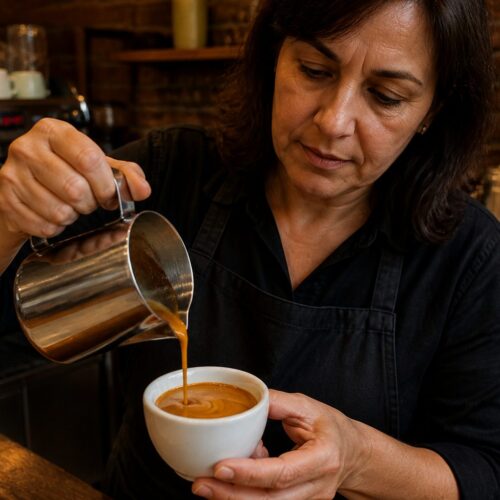
If texture is the main reason for choosing one drink, asking the café how it prepares its milk is more reliable than relying on a picture.
Foam changes the first impression of a drink because it sits above the liquid milk and affects how each sip feels.
Cappuccino foam is often more noticeable, while latte foam is generally thinner and blends into the milk more readily.
This difference can be less obvious in a takeaway cup, where the drink may be stirred, covered, or customized before it reaches the customer.
A café may also use different cup shapes, which affect the visible proportions without changing the ingredients listed on the menu.
If you want to compare the drinks fairly, order them from the same shop and ask for their regular versions with the same milk choice.
Extra espresso changes coffee intensity, while flavored syrup adds sweetness and can make the espresso character less prominent.
Changing the milk can alter body and foam, so a dairy latte and a plant-based cappuccino may differ for reasons beyond the drink names.
Temperature also matters because very hot milk can taste different from milk served at a lower temperature, and foam cools at a different rate from the liquid beneath it.
These adjustments are reasons to describe the specific cup rather than claim that all lattes or all cappuccinos have one taste.
If you track a preference, note the café, size, shot count, and milk choice so you can order a similar drink another time.
Cup shape can influence how quickly the drink cools and how the milk sits, but it does not establish the espresso-to-milk ratio by itself.
Some cafés offer a dry or extra-foam cappuccino, which changes its texture from the shop’s standard version.
A latte may also be served with a thin foam cap or with a more blended surface depending on how the milk is poured.
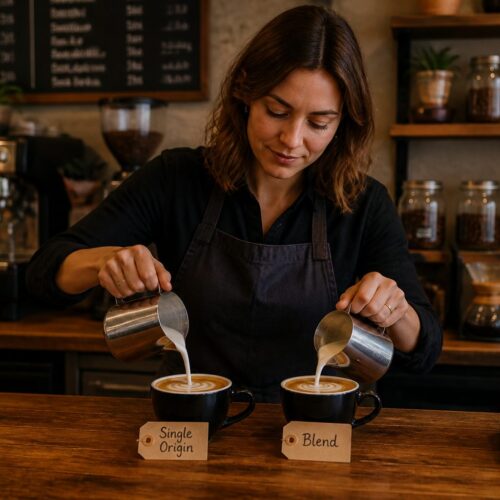
Those variations explain why photographs can be misleading when you are trying to compare a latte and cappuccino from different menus.
The terms remain useful as shorthand, provided the actual size and ingredients are considered alongside the name.
When milk texture matters more than a traditional label, tell the barista whether you prefer a thin foam layer or a thicker one.
Questions about lattes and cappuccinos
A cappuccino can taste more espresso-forward when it contains less milk, but size and shot count vary. A larger latte or one with extra espresso may taste stronger than a particular cappuccino.
Neither drink has to contain added sweetener. Milk can taste naturally sweet, and the perceived sweetness depends on the milk, espresso, and any sugar or syrup added.
The names alone do not determine nutrition. Compare the exact serving size, milk, espresso, and additions using the café’s information if that comparison matters to you.